

Rethinking Western Narratives: Africa Beyond the Stereotypes
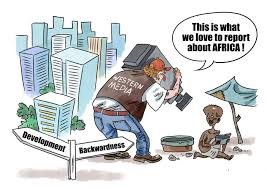
Western media’s portrayal of Africa and the Global South has often been a distorted reflection, emphasizing crises while overlooking strengths. This tendency is rooted in historical narratives that reinforce the idea that “White is right,” creating a troublesome lens through which to view African realities. Understanding these biases is essential for achieving clarity, and clarity is empowerment.
The Narrow Lens of Western Reporting
For decades, Western news outlets have painted Africa as a continent defined by crisis, poverty, and corruption. Studies reveal that coverage disproportionately highlights issues like conflict and poor governance. This portrayal has tangible consequences, resulting in billions being lost due to elevated borrowing costs linked to investors’ perceptions of risk in African markets.
The imagery of Africa as a place steeped in despair has deep colonial origins. Scholars indicate that Western narratives were crafted to justify exploitation and colonization. Historical texts, such as Manufacturing Hate, analyze how Africans were depicted as “savages,” rationalizing conquest and resource theft. The deeply rooted stereotypes of danger and hopelessness have persisted, often overshadowing the continent’s realities.
The "White Savior" Narrative
Modern media may employ gentler language, but the structural biases remain unchanged. Often, Africa is framed as a dilemma requiring Western solutions, leading to the notorious “white savior” narrative. In these stories, local expertise is routinely ignored while Western aid workers and celebrities take center stage, perpetuating the outdated notion of the “White Man’s Burden.” This narrative can undermine the agency and accomplishments of local populations.
The uneven representation extends beyond Africa. For instance, during the conflict in Ukraine, some journalists displayed greater empathy towards victims identified as “white” or “European,” highlighting biases in storytelling. The disparity in coverage reveals a troubling hierarchy where certain lives are deemed more valuable than others, influencing public perception and empathy.
The Political Dimensions of Media Narratives
Media narratives aren’t merely reflective; they actively shape global opinion and can serve geopolitical interests. Coverage of events like the Iraq War illustrates this dynamic. Major outlets propagated unfounded claims about weapons of mass destruction that justified military actions. Similarly, media narratives framing Africa as inherently unstable often pave the way for foreign intervention or economic exploitation.
The Structural Challenge
While it’s easy to accuse media of malicious intent, the issue is more nuanced. News values that prioritize conflict often result in negative stories being reported more frequently—not only about Africa but globally. When these tendencies interact with historical biases, they establish a normalized narrative that is hard to challenge.
The psychological impact of these portrayals can be detrimental. Continuous depictions of Africans as reliant or unsuccessful can erode self-perception and societal confidence. This struggle for representation embodies a broader fight for identity and dignity.
Moving Towards a Balanced Narrative
Awareness is the first step in combating these narratives. Recognizing how they are constructed empowers communities to challenge stereotypes. As pointed out by Chinweizu in The West and the Rest of Us, Africa must address both external influences and internal challenges. Establishing robust, independent African media is vital for presenting authentic stories from local perspectives.
Signs of Change
Evolving attitudes are evident as African journalists, filmmakers, and scholars strive to counter stereotypes and create balanced narratives. There is a growing global acknowledgment of the outdated and harmful nature of traditional portrayals. Some Western organizations are also reassessing their approaches, shifting away from “white savior” frameworks toward narratives that empower local voices.
However, substantial work remains. The dominance of Western media continues to shape perceptions extensively. For advocates of a Pan-African identity, this issue transcends media discussions; it’s a cultural and political struggle for self-definition.
Engaging with Media Critically
Understanding the mechanisms of Western narratives doesn’t mean adopting them. Rather, it involves a clear-eyed examination of power dynamics and narrative construction, enabling us to dismantle harmful patterns. The objective should not be to reject all Western narratives outright but to engage with them critically, asserting agency in how African stories are told.
Africa is a complex and vibrant continent far removed from the bleak images often portrayed in Western headlines. The ongoing task is to reshape global narratives, ensuring that Africa—and Africans—are seen in their true, multifaceted light.
To explore more about Africa’s representation in media, consider reading various perspectives and analyses available online. This understanding is crucial in reshaping narratives and promoting dignity in storytelling.
