

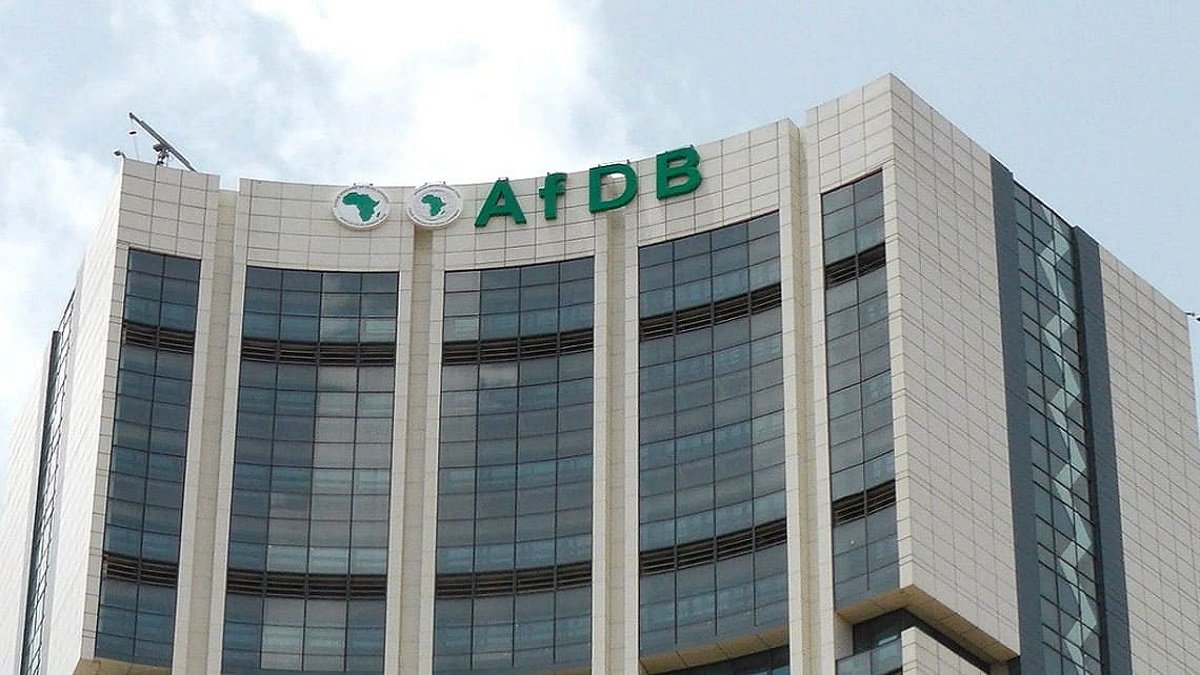
Boosting Africa’s Trade Integration Through Private Capital Mobilization
The call for enhanced private capital involvement in financing Africa’s infrastructure needs has gained momentum, particularly at the recent Africa Trade Conference held in South Africa. Kennedy Mbekeani, the Director General for Southern Africa at the African Development Bank (AfDB), emphasized that leveraging private investment is essential to unlock Africa’s trade potential.
The Need for Private Investment in Infrastructure
Many African governments are hampered by limited fiscal space and strained balance sheets, making the mobilization of private capital crucial. Mbekeani highlighted the importance of rethinking government roles in infrastructure development. Instead of retaining ownership and operational control, he urged governments to create an environment conducive to attracting private investors.
“Mobilizing capital, particularly private capital, is fundamental,” he stated, stressing that public finances are increasingly under pressure. The focus, he argued, should shift towards regulation and policy support rather than direct management of infrastructure projects.
Successful Models of Public-Private Partnerships
Several sectors serve as effective examples of successful private sector participation when appropriate regulatory frameworks are in place. In the transport sector, for example, private operators have effectively managed bus services under government regulation. This model has also been observed in energy and education sectors, illustrating how collaboration can yield positive results.
Mbekeani proposed that similar approaches should be employed to develop the infrastructure essential for facilitating trade under the African Continental Free Trade Area (AfCFTA).
Addressing Infrastructure Gaps to Enhance Trade
Despite being the world’s largest free trade area in terms of participating countries, Africa still grapples with significant infrastructure deficits. These gaps hinder the continent’s ability to maximize the benefits of trade agreements.
Infrastructure is vital not only for trade facilitation but also for enhancing production and consumption across African markets. According to Mbekeani, “We have the market but we are not producing and we are not consuming enough.”
Involving Financial Institutions for Development Financing
Mbekeani called for financial institutions and investors to take a proactive role in engaging with governments to unlock development financing for large-scale infrastructure projects. “The money that you have, the money that you are sitting on, is the money that is needed for development,” he urged.
He underscored the importance of showcasing successful private sector participation examples in other markets to build confidence among policymakers, which could lead to broader adoption of such models.
Mitigating Vulnerability to Global Shocks
Strengthening infrastructure will not only facilitate trade but also enhance Africa’s resilience to global economic disruptions. Improved connectivity and market integration will enable African economies to rely more on internal trade channels during times of global turmoil.
Encouraging Regional Ownership of Development Conversations
Mbekeani praised African institutions for their proactive engagement in discussions about the continent’s economic future. Initiatives such as the Africa Trade Conference highlight an increasing regional ownership of developmental dialogues.
He encouraged stakeholders across the continent to rally behind such initiatives and collaboratively work towards building the infrastructure necessary for accelerating regional integration and economic growth in Africa.
For more insights on enhancing Africa’s trade integration, consider exploring resources from the African Development Bank or African Continental Free Trade Area.
