

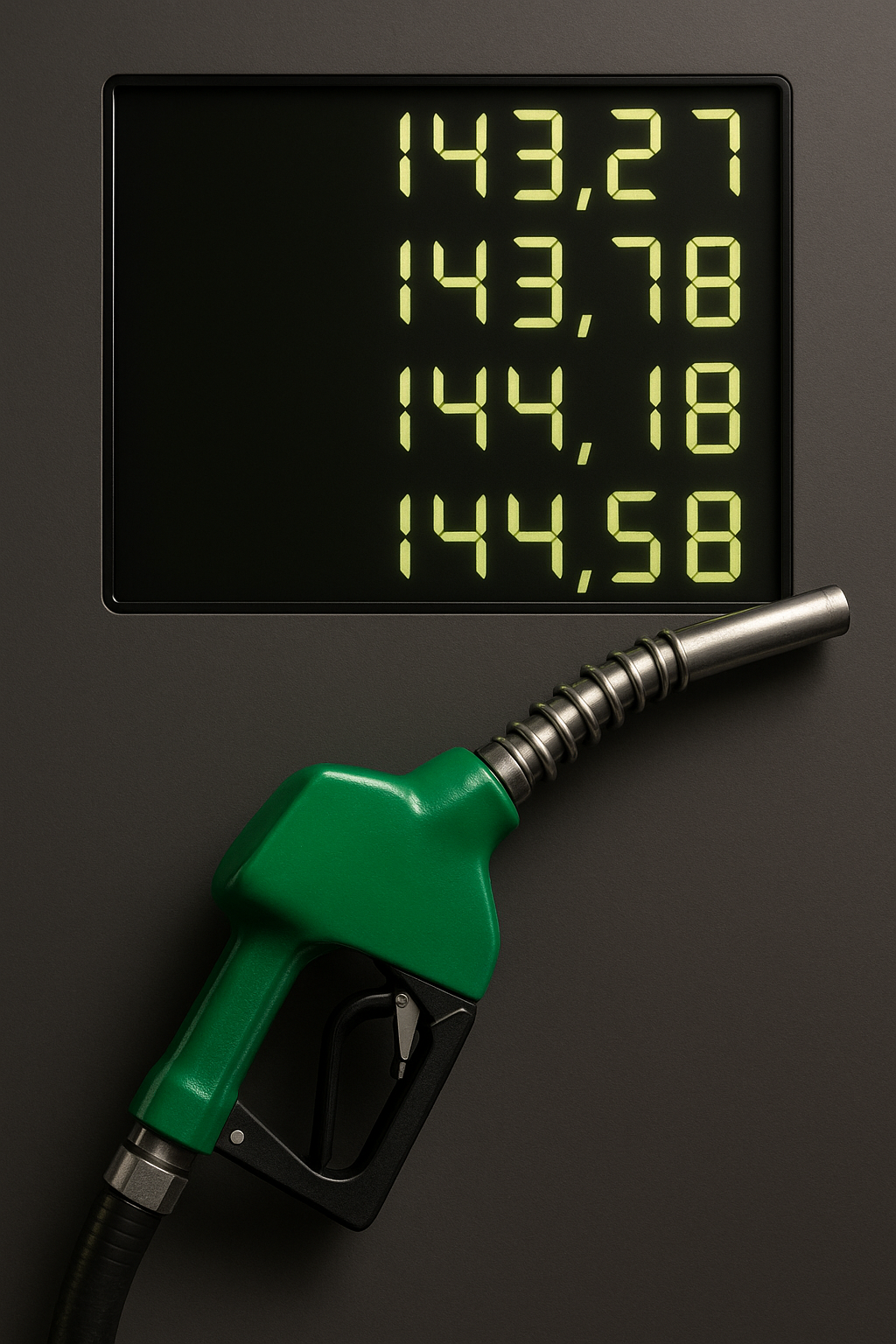
Fuel Price Surge: Navigating the Impact of Strait of Hormuz Tensions on South Africa
The ongoing geopolitical turmoil in the Strait of Hormuz is significantly affecting fuel prices in South Africa, contributing to increased costs at the pump and impacting logistics across various sectors. This narrow waterway, crucial for global oil transportation, presents a unique vulnerability that South African consumers feel sharply when tensions arise.
The Influence of the Strait of Hormuz on Fuel Prices
The Strait of Hormuz is a vital passage for approximately one-fifth of the world’s seaborne oil. When geopolitical unrest disrupts traffic in this region, insurance premiums for oil tankers escalate. South Africa, which imports roughly 70% of its refined fuel, immediately faces the consequences of these soaring costs. Each additional dollar increase in a barrel of Brent crude oil can lead to about seven cents added to the price per liter at the pump, making everyday expenses soar for consumers.
Understanding the Price Formula
South Africa’s fuel pricing isn’t arbitrary. The Department of Mineral Resources and Energy meticulously analyzes factors such as refining margins in critical global markets—Singapore, the Mediterranean, and the United States Gulf. Costs for freight, insurance (which can spike dramatically during periods of increased marine war risk), and various levies are included in this formula. Taxes constitute a significant portion of the final pump price, with nearly half of what consumers pay being allocated to government levies.
As tensions persist, the potential for price increases looms ever larger. Industry analysts suggest that should Brent crude reach $90 per barrel, South Africa could see an increase of over 35 cents per liter at the pump before scheduled tax hikes take effect.
Economic Ripple Effects
The climb in fuel prices initiates a chain reaction across multiple sectors:
Transportation
Long-distance trucking companies face dramatically higher operational expenses, often passing these costs onto consumers. Public transportation services, particularly taxis, quickly feel the pinch, leading to potential fare hikes.
Aviation
Airlines frequently recalibrate their jet-fuel prices, with a single dollar increase in fuel impacting ticket costs almost immediately. Domestic flights could see significant increases, as seen recently with airlines adding R45 to certain routes due to fluctuating fuel prices.
Agriculture and Manufacturing
Industries relying heavily on diesel, like bakeries and agriculture, face heightened production costs, which invariably translate into increased prices for essential goods such as bread and produce.
Exploring Alternatives
Amidst rising fuel costs, South Africa is actively seeking alternatives.
Diversifying Crude Sources
Authorities are considering reigniting a previous agreement with Equatorial Guinea’s GEPetrol to import West African crude. This could help bypass the problematic Strait of Hormuz and thereby reduce transportation distances.
Enhancing Fuel Efficiency
Fleet operators are beginning to adopt advanced technologies, such as 4G fuel probes and improved aerodynamics in vehicle designs, to maximize fuel efficiency and mitigate expenses.
Encouraging Alternative Transport
The country is witnessing a surge in interest towards carpooling apps and electric scooters, with sales jumping significantly in 2023. Such shifts represent long-term strategies to lessen dependency on traditional fuels.
Adapting to Rising Costs
Individuals and businesses alike can implement various strategies to adapt to escalating fuel prices:
For Individuals:
- Carpooling remains a viable option, significantly reducing personal fuel expenditure.
- Opting for public transport can lead to cost savings.
- Investing in fuel-efficient vehicles, such as electric scooters, offers long-term financial benefits.
For Businesses:
- Optimizing fleet management and investing in fuel-efficient technologies can aid in minimizing costs.
- Hedging against fuel price fluctuations is another proactive strategy for larger enterprises.
- Reviewing supply chains to streamline logistics can further alleviate rising transport costs.
Conclusion: Staying Informed and Vigilant
As the situation in the Strait of Hormuz remains dynamic, South Africans must prepare for potential fluctuations in fuel prices. Monitoring trends and adopting adaptive strategies will be essential to navigate the challenges ahead. The government’s forthcoming transport cost monitor aims to provide transparency, allowing consumers and businesses to plan better as they contend with shifting economic conditions.
For further details on how global events influence local fuel prices, visit Gulf Oil or the Department of Mineral Resources and Energy.
By strategically linking vital information to credible sources, readers can gain additional insight into the complexities of fuel pricing and the broader economic implications, ensuring a well-rounded understanding of the subject matter.
