

Rosatom Launches Ninth Annual Atoms Empowering Africa Video Contest
MOSCOW, RUSSIA – Rosatom has officially launched its ninth annual Atoms Empowering Africa video contest, inviting young individuals across the African continent to voice their insights on leveraging nuclear technologies to tackle existing challenges. This year’s theme emphasizes collaboration within the BRICS Nuclear Platform.
Focus on Collaboration Through Nuclear Technology
The BRICS Nuclear Platform aims to foster partnerships in the peaceful use of nuclear technologies. Elsie Pule, the Head Coordinator of the platform, highlighted that, “By linking this year’s Atoms Empowering Africa contest to the Platform, we hope to encourage young Africans to explore how international cooperation can help address real challenges in their countries.” This initiative seeks to inspire the next generation to contribute to a more innovative and inclusive global nuclear community.
Contest Details and Topics
Participants are invited to submit short videos addressing one of five crucial topics:
- The Role of Nuclear Energy in the Future of BRICS Countries
- How Nuclear Technologies Improve People’s Lives (focusing on non-power applications)
- Youth and the BRICS Nuclear Platform
- Cities and Regions of the BRICS Nuclear Platform
- The BRICS Nuclear Platform: Vision for 2030
The contest is open to individuals aged 18 to 35 who are residents of African nations.
Engaging Young Minds in Nuclear Discussions
Ryan Collyer, CEO of Rosatom Central and Southern Africa, emphasized the growing dialogue around modern nuclear technologies in various African nations, particularly regarding their contributions to reliable energy supply, healthcare, and agriculture. “The Atoms Empowering Africa contest helps engage a new generation—students, entrepreneurs, and young professionals from across the continent—in this conversation,” Collyer added.
Building Local Expertise
Rosatom’s commitment to education and local expertise is evident in its ongoing initiatives, such as the Mkuju River uranium project in Tanzania, where local students are receiving practical training and education in Russia. This approach not only develops important skills but also emphasizes the significance of fostering a new generation for the nuclear sector.
Contest Submission and Evaluation
Submissions for the Atoms Empowering Africa contest will be accepted until May 1. A jury will assess the entries based on originality, clarity of presentation, and the relevance of proposed solutions to specific regional challenges. Winners will be selected, with a maximum of one winner per country—either an individual or a two-person group.
For more detailed information on how to participate and submission requirements, visit the Rosatom Africa website.
Previous Contests and Outcomes
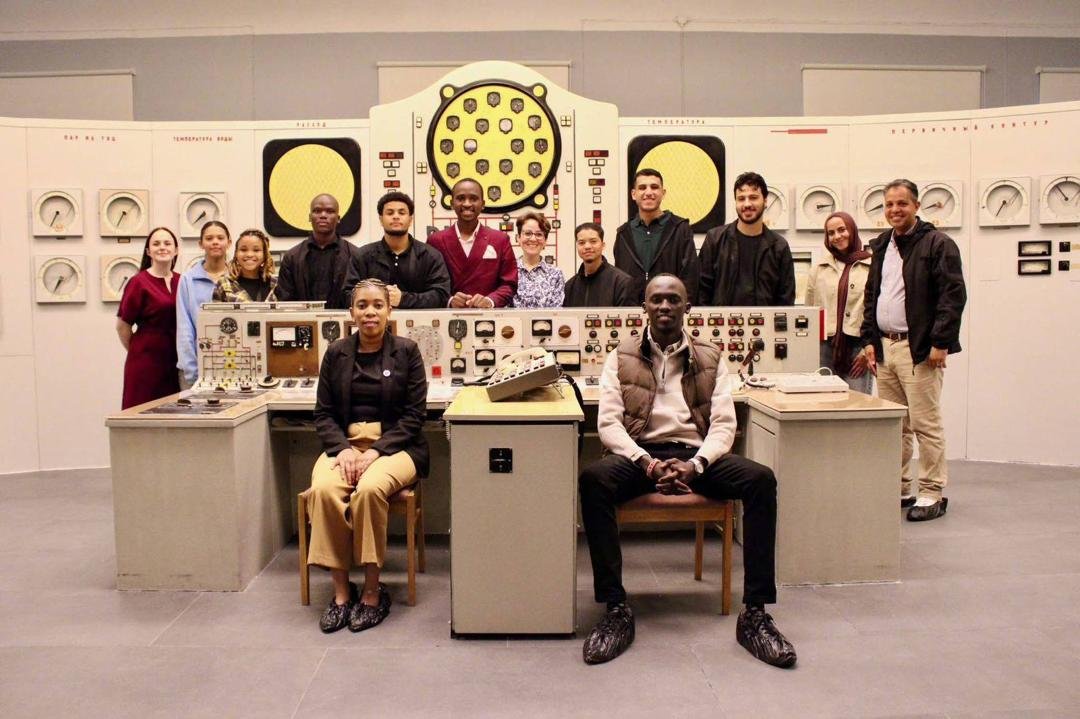
The contest has successfully engaged participants from multiple countries since its inception in 2017. Last year saw 50 entries, with 13 winners representing nations like South Africa, Egypt, Kenya, the Democratic Republic of Congo, Burundi, and Namibia. Winners from previous years have had the opportunity to visit Russia, exploring sites such as the Rosatom Technical Academy and the Kremlin.
International Engagement and Future Prospects
The World Atomic Week has been a significant platform since 2009, uniting leaders in the nuclear industry and governmental representatives to discuss advancements and collaboration opportunities. In 2025, the forum commemorated the 80th anniversary of Russia’s nuclear industry, thereby reinforcing its commitment to nuclear energy as a crucial low-carbon power source.
The BRICS Nuclear Platform continues to facilitate corporate-level cooperation, hosting expert events throughout 2026 aimed at promoting sustainable nuclear energy initiatives.
For all aspiring participants in the Atoms Empowering Africa video contest, the opportunity to influence the future of nuclear technology in their countries awaits. Engage in a dialogue that could shape the future—submit your entries by May 1, and become part of a transformative movement in nuclear technology across Africa.
