

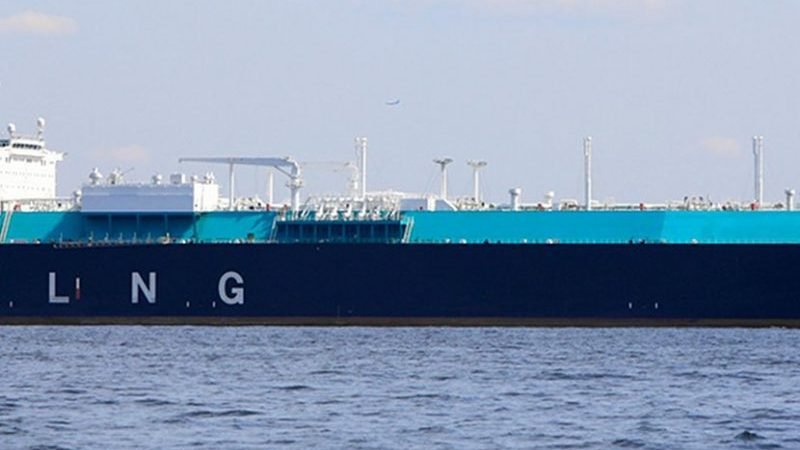
For years, Europe has primarily relied on North Africa for hydrocarbons, including Algerian pipeline gas, Libyan oil, and LNG from the Mediterranean region. However, a new energy relationship is emerging, focusing on electricity. With an increase in renewable energy capacity, enhanced transmission networks, and the development of new interconnectors across the Mediterranean, North Africa’s electrical sector is becoming an essential part of Europe’s energy strategy.
One prominent infrastructure project illustrating this shift is the ELMED interconnector. This planned high-voltage subsea cable is set to connect Tunisia with Sicily, enabling bidirectional electricity flows between the two regions once operational later this decade. The ELMED project will facilitate the transmission of up to 600 MW of power through a 220-km cable, integrating North African electricity markets with Europe and allowing for exports during peak generation times.
Libya’s Untapped Electricity Potential
While Libya’s electricity sector primarily meets domestic needs, the country is strategically positioned to become a key player in a North African power corridor. Ongoing discussions among Libya, Algeria, and Tunisia focus on developing an “electric corridor” project that would interlink their grids. This initiative could eventually form connections with broader Mediterranean power systems targeting European markets.
This electric corridor would enable the flow of electricity generated in North Africa—whether from gas plants, renewable sources, or hybrid systems—into Europe. Notably, for Libya, electricity exports could diversify its role as a long-standing hydrocarbon supplier to Europe.
The nation boasts substantial gas resources and power generation capabilities, predominantly utilizing domestic natural gas. With appropriate investments in grid modernization and renewables, Libya could transform into a flexible power exporter within an increasingly interconnected Mediterranean electricity market.
Complementing LNG with Power
The push for electricity trade does not overshadow Africa’s growing LNG sector; instead, it complements it. Countries like Mozambique, Senegal-Mauritania, and Nigeria are enhancing Africa’s position within global LNG supply chains.
North Africa’s aspirations in electricity add a valuable dimension to this dynamic. Gas-fired generation can provide reliable baseload power for export through interconnector cables, while renewable sources contribute to lowering emissions and aligning with Europe’s decarbonization objectives.
For European buyers grappling with volatile market conditions and geopolitical supply risks, this dual approach—importing LNG alongside establishing electricity interconnections—offers diversification across both energy types and delivery systems.
New Opportunities for Energy Investors
These advancements will take center stage at the upcoming [Invest in African Energy Forum (IAE)](https://example.com), scheduled to occur in Paris. Here, government officials, utilities, and infrastructure investors will examine emerging cross-border energy opportunities. Notably, the participation of the Renewable Energy Authority of Libya, including Chairman Dr. Abdulsalam Elansari, signals increasing Libyan intent to engage in this evolving regional energy landscape.
Investors will find attractive prospects not just in generation projects, but also in the critical infrastructure connecting these systems. High-voltage transmission lines, subsea cables, storage systems, and grid modernization represent burgeoning opportunities in the energy sector.
While the electricity trade between North Africa and Europe is still in its formative stages, rapid developments are occurring. As Europe accelerates its search for diversified and lower-carbon energy options, North Africa’s combination of abundant gas resources, solar potential, and geographical proximity positions the region to become a significant electricity partner for Europe.
If current efforts in developing interconnectors and regional grid initiatives are successful, the Mediterranean may soon transport not only pipelines and LNG tankers but also high-voltage electricity. For investors gathering in Paris, this emerging electricity corridor could represent one of the most exciting narratives linking Africa and Europe.
