

Unlocking Nigeria’s Power Potential: A Call for Structural Reform in the Energy Sector
Understanding the Electricity Crisis in Nigeria
Nigeria’s electricity crisis has garnered global attention, particularly highlighted at the recent CeraWeek event in Houston, Texas. Experts emphasized that the issues plaguing the Nigerian power sector stem from systemic failures rather than a scarcity of resources. With a rapidly growing population and vast natural gas reserves, the country’s electricity woes are indicative of deeper structural inefficiencies within the energy system.
The Core Problems Identified
Silvia Macri, Associate Director at S&P Global Energy, outlined that Nigeria boasts a reliable installed capacity of only about seven gigawatts. This output is grossly inadequate for a nation of its size. The key issue, according to Macri, is not merely the availability of resources but the overall efficiency of the energy value chain—from production to delivery.
Infrastructure and Investment Challenges
- Gas Supply Limitations: A lack of gas pipeline infrastructure severely restricts the supply available to power plants.
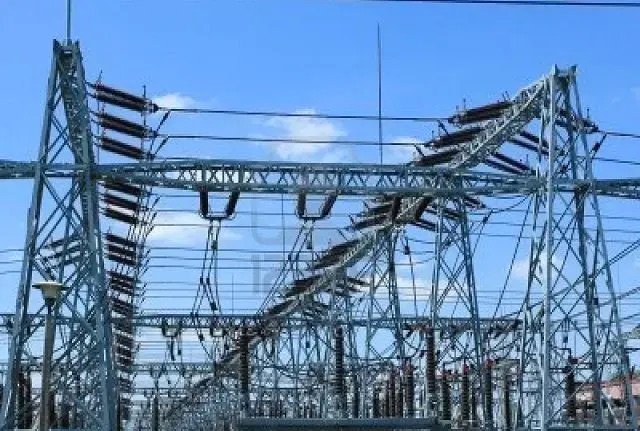
- Weak Transmission and Distribution Networks: These inefficiencies hinder the delivery of electricity to consumers, exacerbating the crisis.
- Underinvestment: Insufficient investment in generation capacity leaves demand unmet and perpetuates the cycle of power shortages.
Macri stressed that addressing these issues requires holistic solutions rather than piecemeal fixes. Connecting all parts of the energy chain—upstream, midstream, and downstream—while ensuring each segment is developed adequately is essential.
Financial and Policy Constraints in the Power Sector
The session also shed light on the financial and policy-related barriers that deter investment in Nigeria’s power sector. Laura Sima, Director of Upstream Solutions at S&P Global Energy, emphasized the challenges associated with infrastructure projects, particularly pipelines and grid systems, which often yield low returns for private investors.
Who Should Finance Infrastructure?
Sima raised a critical question: "If infrastructure is essential but not necessarily profitable, who should foot the bill?" Government intervention is deemed crucial to bridge this investment gap. Reliable payment systems are also vital, as inconsistent payments to gas suppliers undermine confidence and deter further investments.
Currency Volatility: A Barrier to Investment
The issue of currency volatility was further emphasized by Justin Cochrane, who explained how depreciation of the naira against the U.S. dollar poses significant risks for investors. With revenues earned in a weakening local currency, investors face losses that can deter future involvement in Nigeria’s energy sector.
Untapped Resources and Future Opportunities
Despite possessing over 200 trillion cubic feet of gas reserves, much of Nigeria’s natural gas remains untapped due to infrastructural and market limitations. Across the African continent, only a small fraction of discovered gas resources is currently in production. Many projects remain stalled due to a lack of adequate infrastructure and viable commercial frameworks.
The Role of Renewable Energy
Macri highlighted the potential of renewable energy to address immediate supply gaps in Nigeria’s power landscape. Renewables are not only quicker to deploy but are also often more cost-effective, particularly for off-grid and decentralized solutions. However, she was clear that gas-fired power remains a critical component for stabilizing supply and managing intermittent renewable sources.
Africa’s Growing Appeal to Energy Investors
Outside Nigeria, the discussion also revealed a broader trend: Africa is becoming increasingly attractive to global energy investors. Geopolitical tensions are prompting companies to diversify their investments away from traditional regions, such as the Middle East. The continent’s vast, underexplored energy basins and escalating energy demand establish it as a potential growth market for the future.
The Call for Structural Reforms
Experts agree that without significant structural reforms, improved governance, and sustained investments in infrastructure, Nigeria may struggle to convert its resource wealth into a reliable power supply. Strategic reforms, coupled with robust policies, are essential for tapping into Nigeria’s vast energy potential.
Conclusion: A Path Forward for Nigeria’s Energy Sector
Resolving Nigeria’s electricity crisis requires a coordinated approach involving various stakeholders, from government officials to private investors. By embracing reforms and strategically investing in infrastructure, Nigeria can harness its energy resources effectively, paving the way for sustainable growth and increased energy access for its population.
