

African Investment Landscape Transforms: March 2026 Trends
Africa’s investment environment is witnessing a significant shift as of March 2026. Analysts point to a unique structural inflection point characterized by a combination of large resource deals, active engagement from development finance institutions, an increase in demand for digital infrastructure, and enhancements in domestic capital markets. This period marks a transformation from cautious observation to active investment, diverging from the traditional commodity cycles that previously dominated African markets.
Investment Diversification Beyond Commodities
In past investment cycles, Africa’s appeal was closely tied to global commodity prices. During periods of high prices for oil, copper, or gold, investments surged; conversely, when prices dropped, investments receded. However, in 2026, the narrative has evolved. The investment landscape is now driven by various factors, including technological infrastructure, innovations in financial services, capital for the green energy transition, and advancements in industrial resource processing. This diversification creates a more robust and resilient investment environment for the continent.
Nigeria’s Landmark $1.3 Billion Alumina Deal
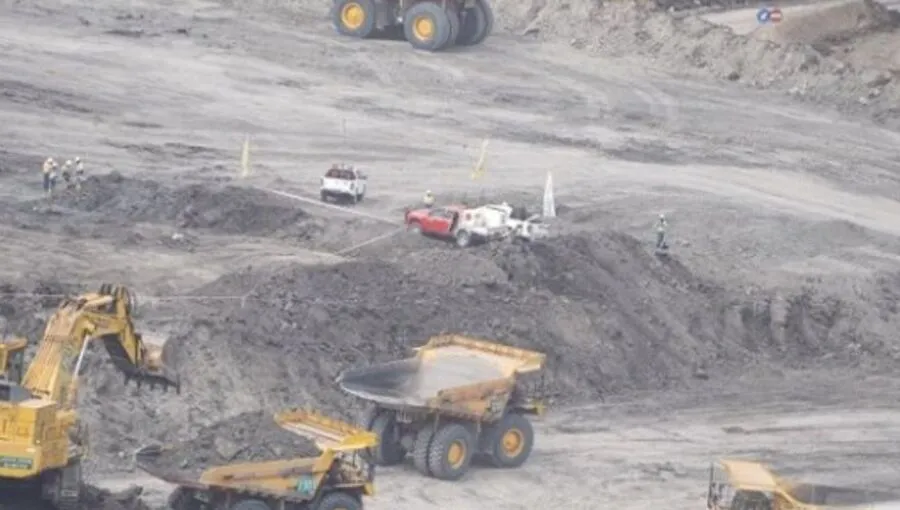
Nigeria has recently finalized a pivotal investment agreement with the Africa Finance Corporation (AFC), totaling $1.3 billion. This landmark deal involves multiple components: the establishment of a state-of-the-art alumina refinery, a nationwide mineral mapping initiative, and an investment vehicle to accelerate the commercialization of exploration findings.
Historically, Nigeria has exported raw bauxite with minimal value addition. By developing local refining capabilities, Nigeria aims to capture the premium from processed alumina, which can sell for two to three times the price of unprocessed ore. This investment also sends a message to international investors about Nigeria’s commitment to retaining the economic benefits of its resources on the continent, reducing the risks of the resource curse that have previously affected large extractive investments.
Key Deal Highlights:
- Deal Value: $1.3 billion
- Key Partner: Africa Finance Corporation (AFC)
- Focus: Alumina refinery, mineral exploration, investment vehicle
- Strategic Goal: Enhance the value of Nigerian bauxite through domestic processing
Revival of African Capital Markets
A recent report suggests that Africa’s capital markets are undergoing a genuine revival. Factors such as improved market infrastructure, robust regulatory frameworks, and the rising sophistication of institutional investors, particularly pension funds, are contributing to this resurgence. With total assets under management exceeding $1.8 trillion, these developments are creating significant opportunities for businesses to access long-term financing.
The deepening of domestic capital markets is crucial for Africa, traditionally reliant on volatile external financing for development. Analysts and industry participants view 2026 as a transformative year for African capital markets, marked by increasing trading volumes and a strong pipeline of listings and debt issuances.
AfDB’s Support for Tech Startups in Francophone Africa
The African Development Bank Group (AfDB) is investing €6.5 million in the Saviu II Fund, aimed at supporting tech startups in French-speaking Africa. This initiative helps bridge the gap in early-stage venture capital in the region. Targeting sectors such as fintech, agritech, edtech, and healthcare, this fund aims to stimulate innovation and address significant developmental challenges in these markets.
Investment Details:
- AfDB Investment: €6.5 million
- Target Stage: Seed phase and early institutional fundraising
- Geographic Focus: French-speaking Central and West Africa
- Target Sectors: Fintech, Agritech, Edtech, Health Tech
The Surge in Africa’s Data Centre Market
Africa’s data centre sector is poised for significant growth over the coming decade. The demand for data centres is skyrocketing due to the rapid digitalization of economies and the increasing consumption of mobile data. Major cloud providers like Microsoft Azure, Google Cloud, and Amazon Web Services are investing heavily in Africa’s data infrastructure, underscoring the long-term potential of this market.
Despite this growth, the sector faces challenges, primarily related to the reliability of electricity supply. Nevertheless, total investments committed to data centre capacity in 2025 and 2026 are estimated to exceed $3 billion, reflecting the scale of the opportunity in this vital industry.
Conclusion
The evolving investment landscape in Africa represents a significant shift towards diversification and sustainability. As countries like Nigeria take decisive steps in resource management and as institutions like the AfDB commit to innovation, the continent is well-positioned for robust growth across various sectors.
For more insights on Africa’s economic and financial landscape, follow our updates on [Serrari’s comparator tool](https://serrarigroup.com/serrari-africa-economic-and-financial-data-center-and-insights/) and discover trending rates in [Treasury bonds](https://serrarigroup.com/learn-how-treasury-bonds-work-in-kenya/) and [Money Market Funds](https://serrarigroup.com/kenya-money-market-fund-yield-comparator-kes/) in Kenya.
