Advancing Africa’s Energy Future: Highlights from the High-Level Gas Cooperation Roundtable in Abuja
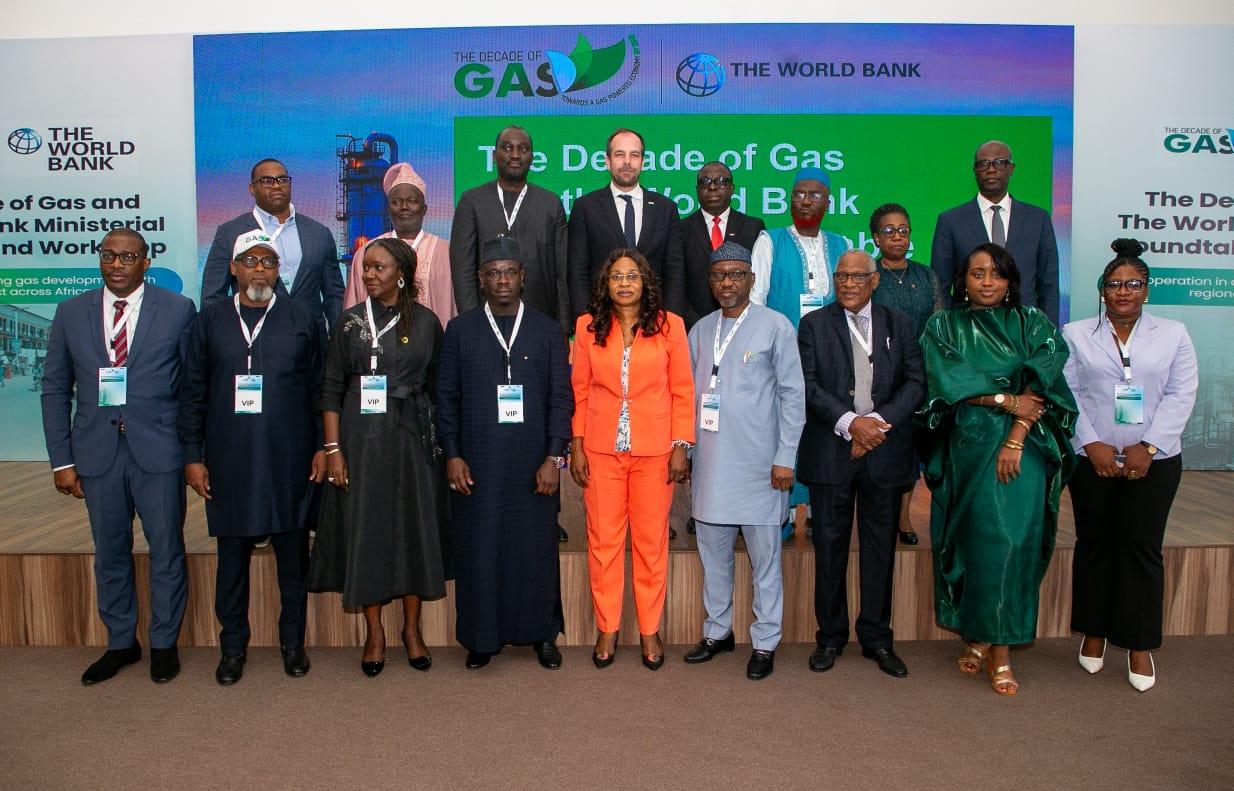
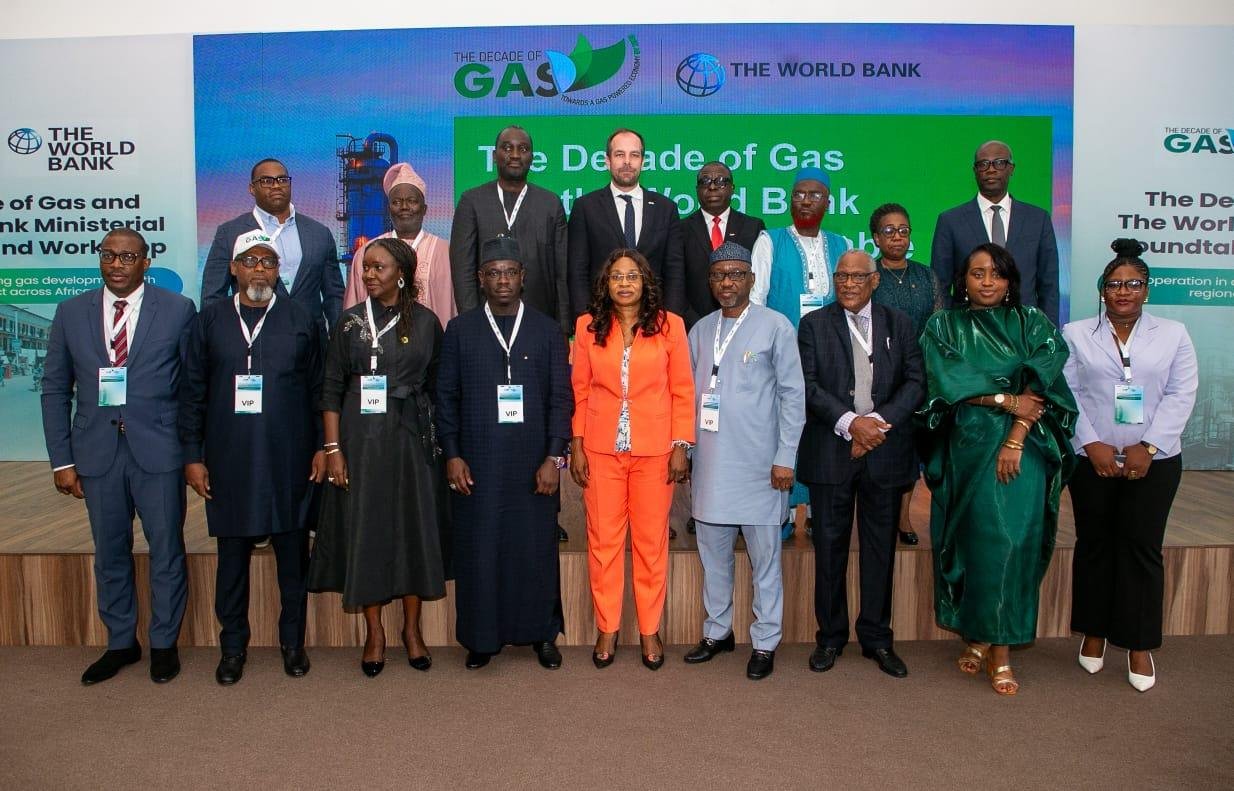
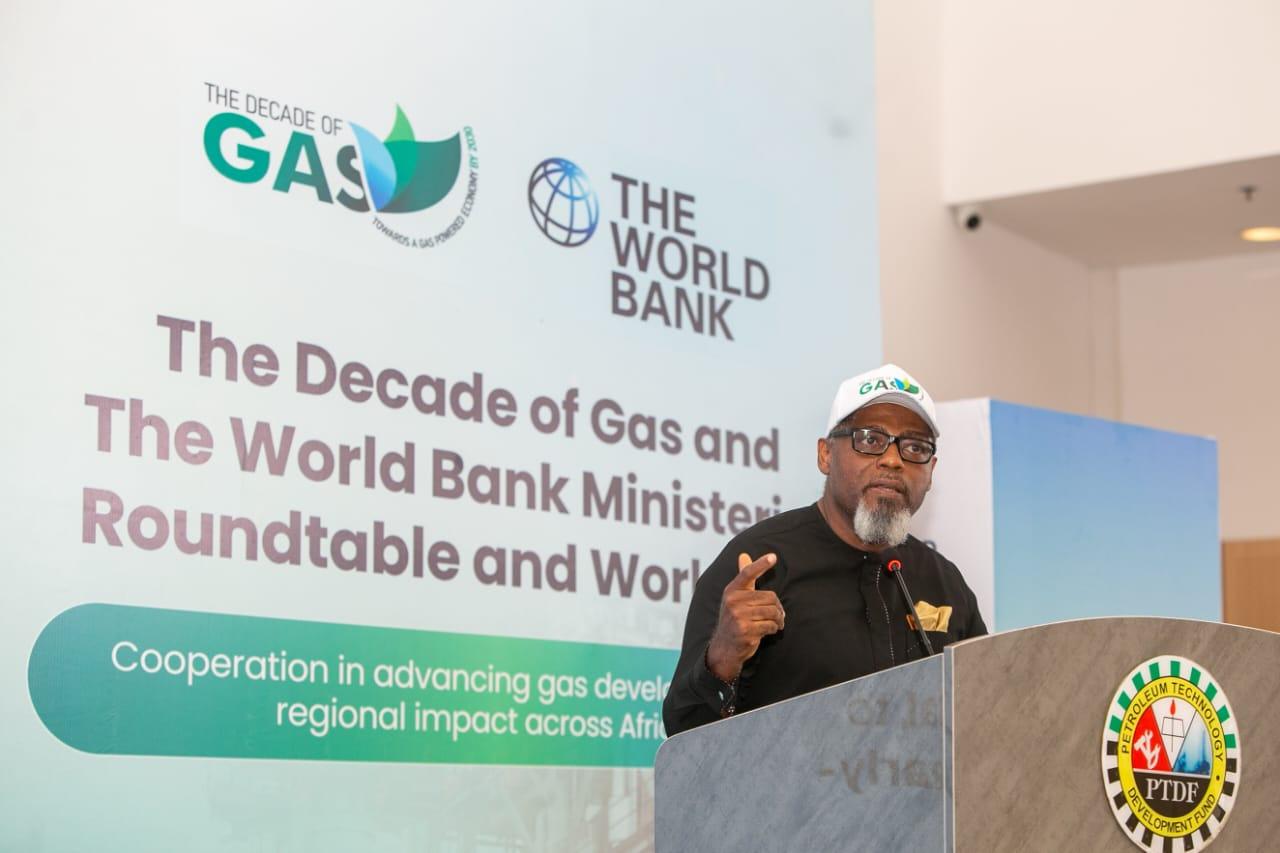
Abuja, Nigeria’s capital, transformed into the focal point of Africa’s energy discourse on March 30–31, 2026, as key stakeholders gathered for a high-level roundtable aimed at enhancing gas cooperation across the continent.
Event Overview and Key Themes
Under the theme “Cooperation in Advancing Gas Development with Regional Impact Across Africa,” the roundtable provided a platform to discuss innovative strategies for leveraging Africa’s ample gas resources to boost energy access, stimulate economic growth, and enhance living conditions.
Nigeria’s Leadership in Energy Dialogue
This gathering was spearheaded by Obongemem Ekperikpe Ekpo, Nigeria’s Minister of State for Petroleum Resources (Gas), affirming Nigeria’s pivotal role in continental energy coordination. This event followed closely after Ekpo’s appointment as President of the Gas Exporting Countries Forum (GECF) Ministerial Meeting in 2026.
Challenges in Africa’s Energy Landscape
Co-hosted by Nigeria’s Decade of Gas programme and the World Bank, the roundtable emphasized the myriad opportunities and obstacles within Africa’s energy sector. Despite having over 600 trillion cubic feet of proven gas reserves, over 600 million individuals across the continent are still without electricity, with many relying on traditional fuels for cooking.
The Call for Collective Action
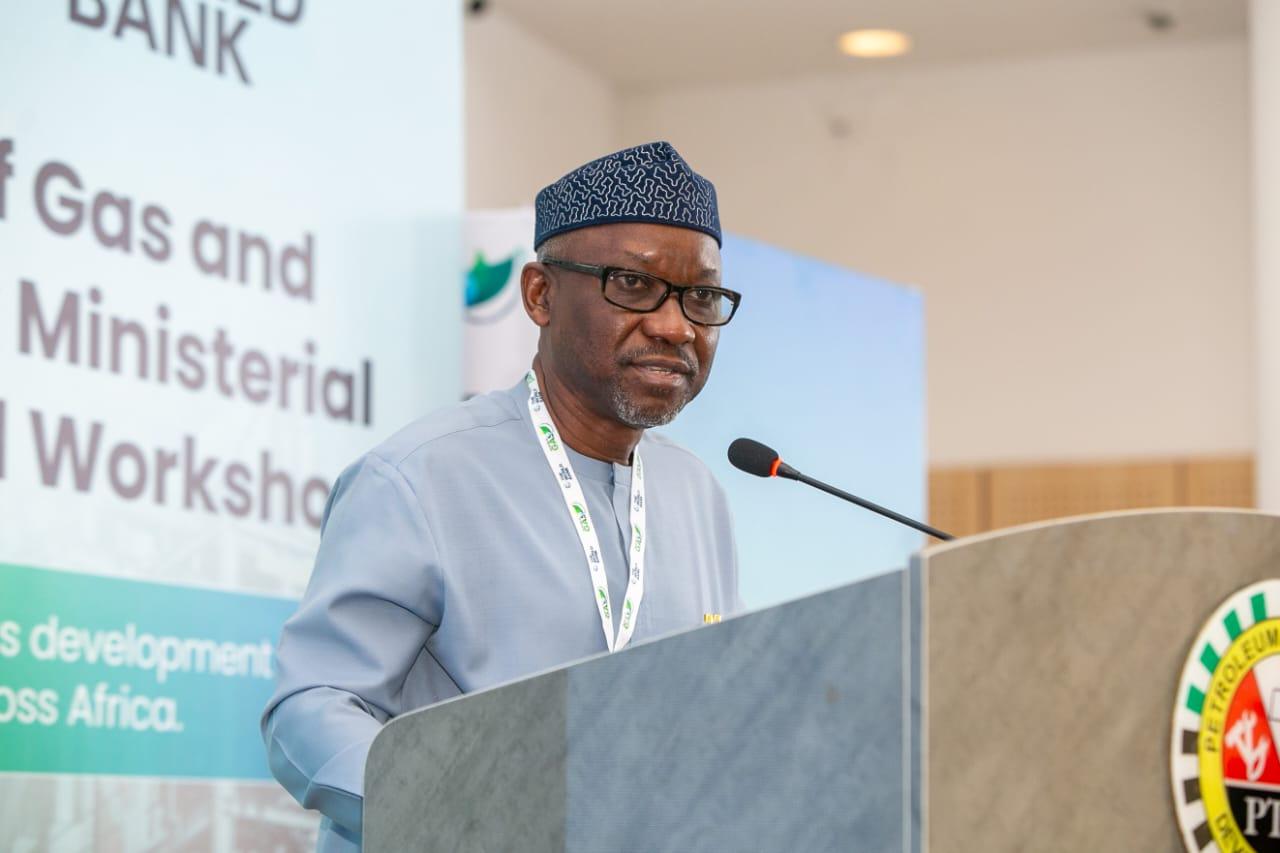
Ekpo addressed participants, emphasizing the urgent necessity for coordinated action. He stated, “Africa’s energy future will not be determined by the abundance of our resources, but by our ability to act together.” He advocated for a transition from scattered national approaches to more cohesive regional systems that promote transparent pricing, demand aggregation, and efficient cross-border energy trade.
Nigeria’s Decade of Gas Initiative
Nigeria’s strategic position is underscored by its estimated 210.54 trillion cubic feet of proven gas reserves—the highest on the continent. Through the Decade of Gas initiative, Nigeria aims to scale production and expand domestic utilization, especially in power generation and clean cooking solutions.
Collaborative Efforts Among African Nations
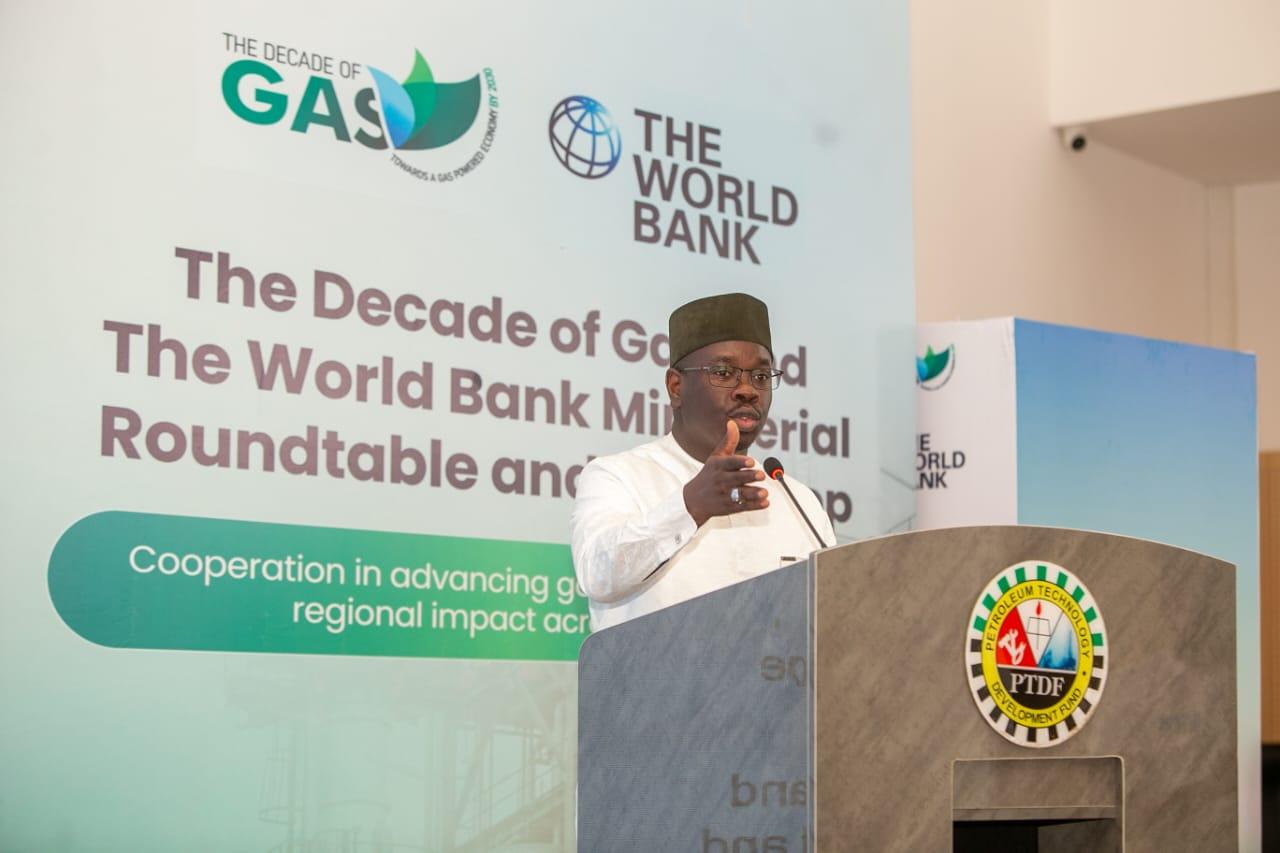
Countries like Senegal were actively represented, with Minister of Energy, Petroleum and Mines, Mr. Birame Soulèye Diop, emphasizing the need for shared learning and collaboration. He stated, “We need to exchange ideas, share our experiences, and learn from the mistakes we’ve made,” while highlighting the significance of regional projects such as the Nigeria-Morocco gas pipeline.
Furthermore, the World Bank’s engagement emphasized financing and policy support for energy initiatives across Africa. Country Director Mathew Verghis reiterated the institution’s dedication to bolstering African nations through various forms of assistance, including funding and technical expertise.
Engendering Inclusivity in Energy Development
In discussions that transcended infrastructure, the inclusion of marginalized groups was brought to the forefront. Eleanor Okubor from McKinsey & Company notably highlighted the need to integrate women and small enterprises into the gas value chain, particularly concerning last-mile distribution.
Conclusions and Future Directions
As the two-day summit concluded, participants outlined crucial areas for cooperation: regulatory harmonization, infrastructure development, and mechanisms to facilitate cross-border initiatives. The Abuja roundtable marked a pivotal moment in building an integrated African gas market, with Nigeria’s central role acknowledged as vital for harnessing the continent’s vast gas resources.
Looking forward, stakeholders aim to ensure that Africa’s gas resources effectively contribute to industrialization, enhance energy access, and support sustainable development throughout the continent.