

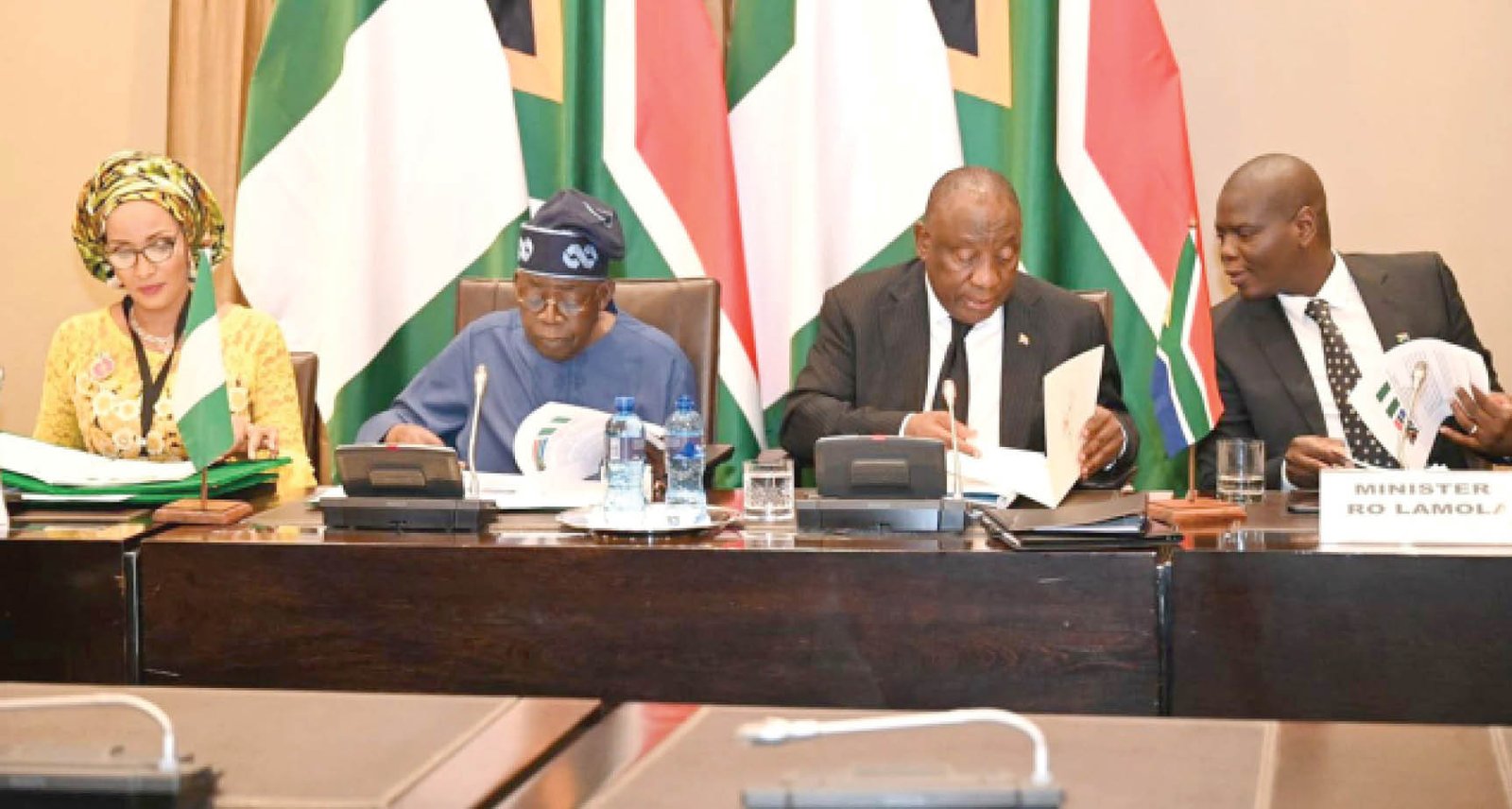
Navigating the Complex Ties Between Nigeria and South Africa
Introduction
Nigeria and South Africa, recognized as Africa’s economic heavyweights, together represent more than 60% of the economies in West and Southern Africa. Both nations have a rich history of involvement in peacekeeping and regional stability, serving as key players in various peacekeeping missions. However, their relationship is multifaceted, defined by a blend of cooperation and contention, shaped by their respective domestic politics and foreign policy agendas.
Economic and Military Significance
Nigeria and South Africa exert a strong influence in their regions, not just through military might but also through cultural and economic contributions. Nigeria has deployed troops in countries like Liberia and Sierra Leone, while South Africa has taken on roles in the Democratic Republic of the Congo (DRC) and Sudan. Their combined economic prowess enables them to tackle challenges faced by the continent, making their partnership essential for African peace and economic development.
Historical Overview: Allies and Adversaries
Historic Antagonism During Apartheid
Nigeria’s relationship with South Africa has not always been amicable. During the apartheid era, Nigeria was a staunch opponent of the South African regime. The Sharpeville massacre in 1960 galvanized Nigeria’s efforts against colonialism and white minority rule. It led to heightened activism, culminating in Nigeria supporting international sanctions against the apartheid regime, providing refuge to exiles, and actively participating in military support for liberation movements in Southern Africa.
The Shift After Apartheid
The end of apartheid in 1994 marked a potential turning point for Nigeria-South Africa relations. Nelson Mandela acknowledged Nigeria’s significant role in the anti-apartheid struggle. However, the early post-apartheid era revealed underlying tensions, particularly with Sani Abacha’s authoritarian rule in Nigeria. Events like the execution of Ken Saro-Wiwa highlighted the divergent paths of both nations. While South Africa emerged with newfound moral authority, Nigeria found itself facing international condemnation.
A Golden Age of Cooperation
A promising chapter in their bilateral relations unfolded when Olusegun Obasanjo of Nigeria and Thabo Mbeki of South Africa assumed their presidencies in 1999. This period was characterized by a mutual commitment to human rights, democracy, and economic reform, leading to initiatives like the transformation of the Organisation of African Unity into the African Union.
Sustained Challenges and Disputes
Despite early successes, the subsequent leadership changes and domestic challenges have led to a more episodic relationship. Issues such as the deportation of Nigerians from South Africa, xenophobic attacks, and commercial disputes have strained ties. Cultural collaborations, once viewed as a unifying force, have also faced challenges amid ongoing rivalries.
The Road Ahead: Cooperation Over Rivalry
As Africa’s stability and progress hinge on the relationship between Nigeria and South Africa, both nations must move past historical grievances. Trust and strategic leadership are essential for ensuring that their combined influence offers benefits to the entire continent. Their partnership can facilitate lasting collaboration and foster regional integration, ultimately benefiting all African nations.
Conclusion
For Africa to thrive, it is imperative that Nigeria and South Africa cultivate durable cooperation instead of allowing episodic rivalries to dictate their relationship. With foresight and institutional commitment, this alliance can transform past oscillations into a future of sustained collaboration.
By focusing on enhancing mutual understanding and shared goals, Nigeria and South Africa can pave the way for a more prosperous continent where their influence truly benefits all African nations.
