

The MK Party’s Push to Repeal Section 235: A Controversial Move for South African Self-Determination
The Umkhonto we Sizwe (MK) Party has made headlines by announcing its intention to introduce a Private Members’ Bill in Parliament aimed at repealing Section 235 of the South African Constitution. This section currently grants explicit rights to self-determination, permitting communities with shared cultural and linguistic heritages to establish their autonomous identities.
Understanding Section 235 of the Constitution
The right of the South African people as a whole to self-determination, as manifested in this Constitution, does not preclude, within the framework of this right, recognition of the notion of the right of self-determination of any community sharing a common cultural and language heritage, within a territorial entity in the Republic or in any other way, determined by national legislation.
This provision is often cited by advocates of Afrikaner settlements like Orania and Kleinfontein, who see it as foundational to their autonomy and governance.
The Case of Orania
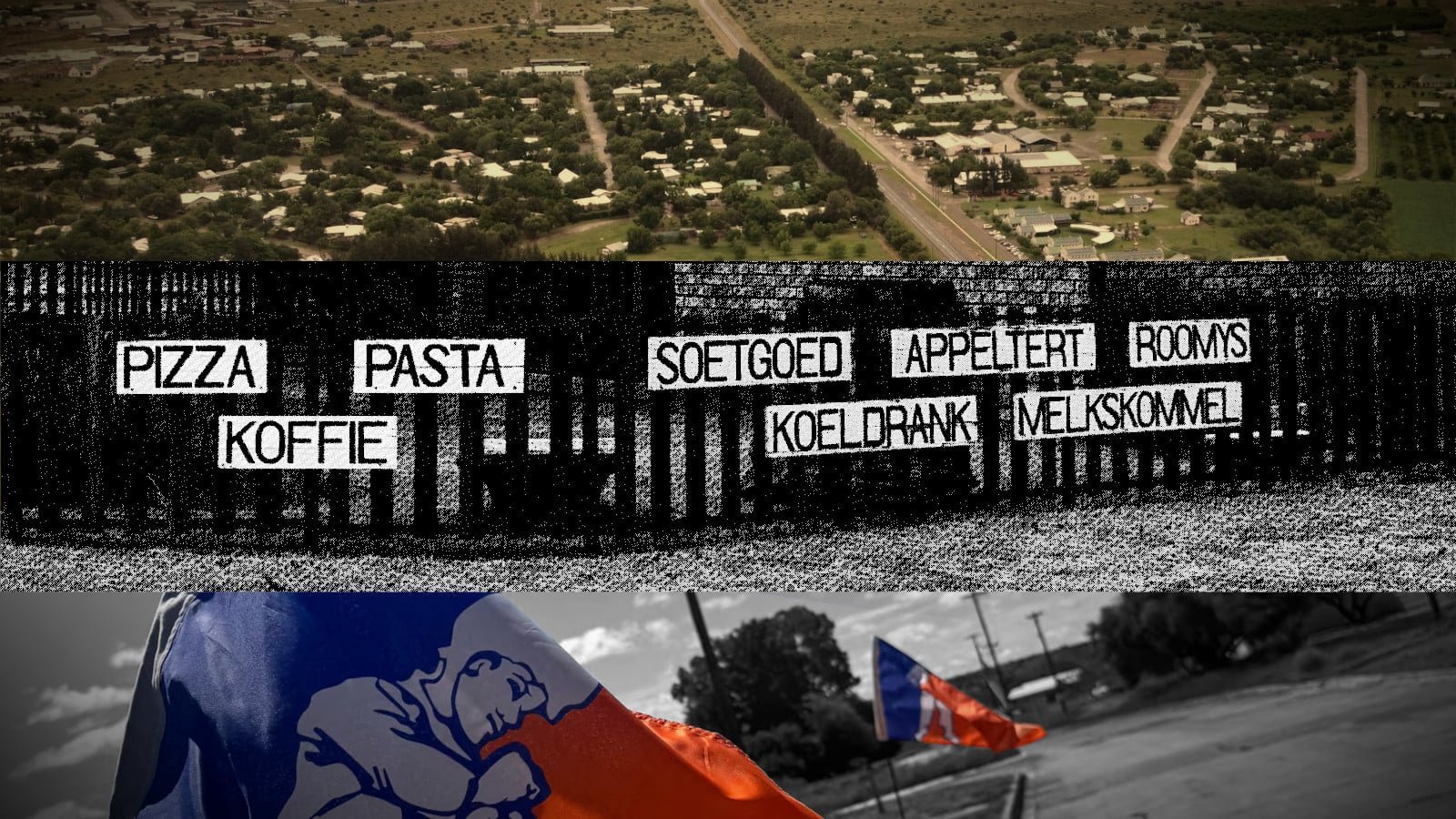
Orania, a town that has carved out its own local government, serves as a unique example. Its municipal status was achieved following a lengthy negotiation with the state, having independently provided services for nearly a decade prior to the formal establishment of the country’s new municipal framework in 2000. The community prides itself on the principles of “Afrikaner self-governance, cultural preservation, and self-determination”.
Kleinfontein’s Cultural Enclave
Similarly, Kleinfontein, located near Rayton, was developed in 1992 by the Boer Freedom Movement to safeguard Afrikaner culture and identity. Initially a cooperative, it transitioned to a share-block scheme in 2018, ensuring continuity in preserving specific cultural values among its residents.
The Controversy over Self-Determination
Despite the cultural aspirations of these communities, their existence has incited significant debate within South Africa. Critics, including various political factions, argue that such enclaves promote exclusion and contradict the Constitution’s establishment of a unified “one, sovereign, democratic state”.
MK Party’s Legislative Push
The MK Party is set to propose the Constitution Twenty-Fourth Amendment Bill, 2026, aimed at abolishing Section 235. The party contends that the rights encapsulated in this section are already protected under the broader Bill of Rights, which advocates for cultural and linguistic freedoms.
They assert that Section 235 brings unnecessary confusion and ambiguity into South Africa’s legal framework, particularly regarding community self-determination. The MK Party believes that the current interpretation allows for the existence of exclusive cultural enclaves that undermine national unity.
Government Responses
Justice Minister Mmamoloko Kubayi has echoed these sentiments, alleging that such enclaves, like Orania, promote racial exclusivity and do not fulfill the legal criteria for self-determination. She emphasized that Section 235 should not permit community segregation based on race, drawing parallels to apartheid-era policies.
Kubayi’s remarks have faced backlash from the Freedom Front Plus, a political party advocating for Afrikaner rights, which accused her of attempting to dilute the section’s significance.
Next Steps for Interested Parties
The MK Party’s initiative invites public engagement: stakeholders and the broader community are encouraged to submit their comments and feedback regarding the proposed legislative changes. These submissions can be delivered in person or by email within 30 days to the Speaker of the National Assembly.

As South Africa approaches significant constitutional decisions, the implications of the MK Party’s proposed changes are set to spark deep discussions about identity, diversity, and governance in the country.
