

The Looming Energy Crisis in South Africa: Solutions and Implications
As South Africa approaches a critical energy juncture, the specter of a “gas cliff” looms large. Experts predict that the nation’s supply of industrial gas will be exhausted by 2028, a scenario that could disrupt operations in key sectors such as steel, glass, and food production. This impending challenge poses dire economic risks, potentially leading to the loss of up to 70,000 jobs and a substantial decline in GDP ranging from 4% to 7%.
The Dependence on Imported Gas
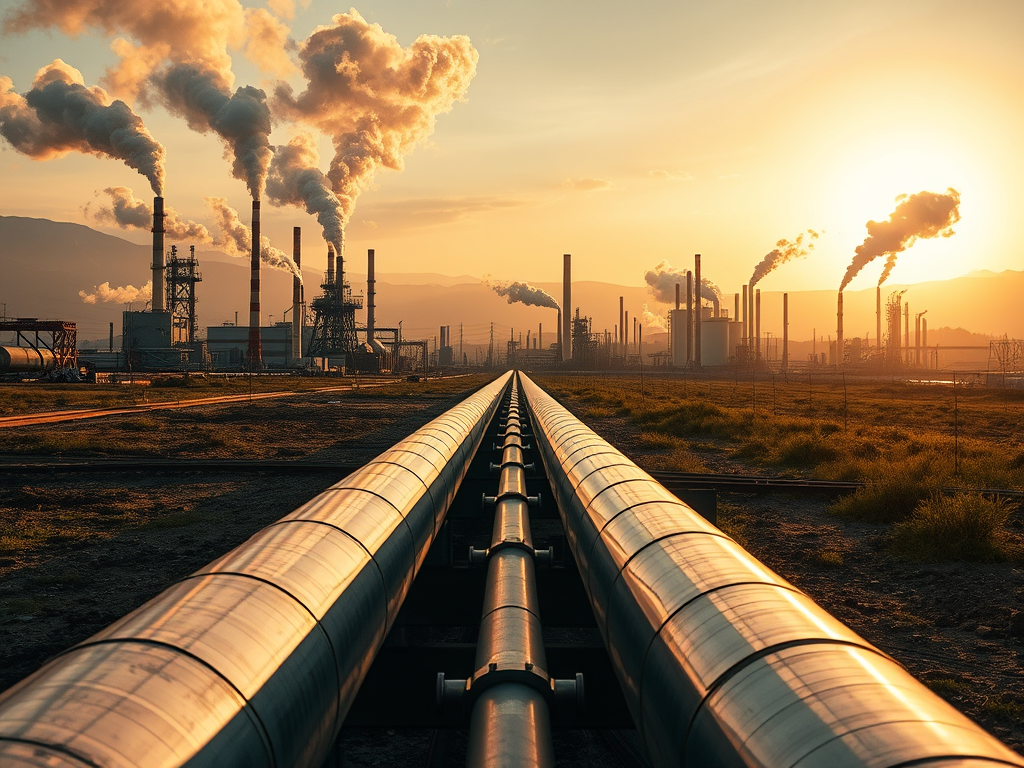
For decades, South Africa has relied heavily on natural gas sourced from the Pande-Temane fields in Mozambique, with transportation facilitated by Sasol-operated pipelines. However, these reserves are depleting rapidly. Sasol has already communicated plans to cease gas supplies to industrial clients by July 2028. While discussions about a temporary extension utilizing synthetic gas have emerged, this option fails to provide a long-term solution.
Challenges Facing Key Industries
Industries such as steel and glass manufacturing are particularly vulnerable. These sectors depend on consistent, high-temperature gas heating for their processes. Transitioning to electricity is fraught with difficulties; energy costs could escalate by as much as six-fold in these industries, severely hampering their competitive edge in global markets.
Proposed Solutions: Importing LNG
The South African government has proposed importing Liquefied Natural Gas (LNG) as a potential remedy. However, several challenges impede this approach. Establishing the necessary infrastructure—including port facilities and regasification terminals—would require an investment of at least $500 million. Furthermore, South Africa’s industrial gas market may not be sufficiently large to attract private investors. Even if the infrastructure is built, the projected cost of LNG is estimated to be three times higher than the current gas supply, potentially forcing many industries to shut down.
Debate Over LNG in Electricity Generation
Another proposal suggests using LNG for electricity generation, which might make investments more viable. Yet, critics highlight that renewable energy sources, such as solar and wind, are already more cost-effective. Raising electricity tariffs to support gas infrastructure could further burden consumers and local businesses.
An Alternative Path: Liquefied Petroleum Gas (LPG)
A more immediate and cost-effective alternative has emerged: Liquefied Petroleum Gas (LPG), particularly propane. South Africa already possesses import terminals for propane at Richards Bay and Saldanha, minimizing the need for new infrastructure. Propane can serve as a direct substitute for natural gas in many industrial applications, offering a more affordable solution.
The Path Forward
As the 2028 deadline draws nearer, experts believe that transitioning to propane could provide a practical bridge for industries to continue operations while gradually moving towards cleaner energy sources such as biogas or hydrogen technologies. This approach not only ensures the stability of essential industries but also paves the way for sustainable energy practices.
For further insights into South Africa’s impending energy crisis and potential strategies to mitigate its impact, explore more resources through Green Building Africa, which provides in-depth analyses on renewable energy trends.

