

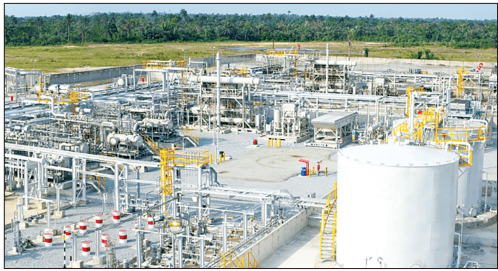
Addressing Energy Poverty: A Critical Challenge for Nigeria and Africa
The global discourse on energy poverty has reached a pivotal moment, particularly for Nigeria and the broader African continent. As highlighted by Mr. Bismark Rewane, Managing Director and CEO of Financial Derivatives Company Limited, the energy crisis is not limited to Nigeria; it resonates globally and requires urgent attention.
The Imperative of Energy Financing in Africa
Africa stands at a crossroads of energy innovation and investment. As Mr. Rewane points out, financing energy projects is an essential conversation for an energy-rich continent facing urgent crises. The conversations surrounding fossil fuels have shifted, particularly with major international policy changes affecting funding avenues.
Background of the African Development Bank (AfDB)
The foundation of the African Development Bank in 1964 marked a significant step toward addressing the continent’s unique financial needs. Initiated by visionary African leaders, the AfDB aims to promote economic development and social progress across Africa. The historical context of this institution reflects the larger intentions of African nations to control their developmental narratives.
Introducing the African Energy Bank (AEB)
Speaking at the 23rd Aret Adams Memorial Lecture Series, Mr. Rewane emphasized the potential of the African Energy Bank (AEB) in mitigating energy challenges across the continent. The AEB is designed to promote the efficient utilization of natural resources, particularly focusing on reducing energy poverty through sustainable practices.
Understanding Historical Revolutions and Their Economic Impact
Rewane elaborated on transformative historical revolutions—the agrarian, industrial, and technological—that have fundamentally changed global economies. Each revolution, while fostering economic output, has also deepened the divide between the rich and the poor, leading to increased insecurity and regional conflicts. By avoiding a similar fate, Africa must strategically plan its economic development around energy transition.
The Future of Energy Production in Africa
Africa’s assets in natural gas, crude oil, and renewable energy sources position it uniquely on the global stage. As global energy geopolitics evolves, there is an urgent need for an inclusive energy mix that draws upon these resources optimally.
The Role of Funding in Energy Infrastructure
A-EB aims to bridge the existing funding gap within Africa’s energy sector. According to Charles Osezua, Chairman of the Aret Adams Memorial Lecture Series, hydrocarbons remain pivotal for African industrialization. Securing appropriate funding will significantly enhance Africa’s infrastructure and development capacities.
Mobilizing Capital for Energy Initiatives
Capital mobilization is crucial for the African energy sector. Dr. Olufemi Lalude, former Managing Director of Shell Nigeria Exploration and Production Company, remarked on the importance of collective action for greater impact. By focusing on community-driven solutions, investment opportunities can flourish even outside traditional funding channels.
The Role of Youth and Innovation
Future advancements rely heavily on the innovation and entrepreneurial spirit of the youth. Recent success stories demonstrate that young entrepreneurs can create significant value even in sectors like agriculture and energy. This shift not only presents a chance for economic growth but also encourages self-reliance that mitigates dependence on government initiatives.
Conclusion: A Call for Unity and Action
To overcome the obstacles that hinder energy access, a collaborative effort is necessary. Each stakeholder, from policymakers to everyday citizens, can contribute to building a more resilient energy framework in Nigeria and Africa. The time for action is now—collective effort can pave the way for sustainable energy solutions that uplift entire communities.
For further exploration of energy solutions and initiatives, consider visiting resources such as African Development Bank and International Energy Agency. Together, we can work toward a future where energy poverty is a relic of the past.
