

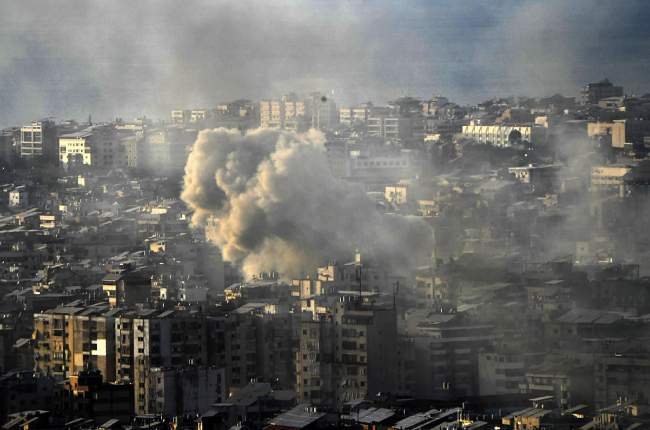
The ongoing conflict in the Middle East poses significant risks to Africa, potentially leading to an increase in living costs and stifled economic growth, according to a recent report from the African Union and the African Development Bank (AfDB).
Houssam Shbaro/Anadolu via Getty Images
- The Middle East conflict risks triggering a cost-of-living crisis in Africa through higher fuel, food, and shipping costs.
- Africa’s GDP growth could slow further, with a projected 0.2% loss by 2026 if the conflict persists.
- Currency depreciation and disrupted trade routes are worsening inflation, debt servicing, and food security across the continent.
The African Union and the African Development Bank (AfDB) have issued a stark warning that the conflict in the Middle East poses a serious threat to Africa’s economic stability. The ongoing war is expected to escalate living costs throughout the continent, primarily through increased fuel and food prices.
Currently, the Middle East accounts for 15.8% of Africa’s imports and 10.9% of its exports, making the region crucial for trade. The report highlights that this conflict has already initiated a trade shock that could evolve into a widespread cost-of-living crisis. Higher fuel prices, increased shipping and insurance costs, and currency exchange rate pressures are among the significant factors contributing to this crisis.
The African GDP growth rate continues to lag behind the pre-COVID pandemic levels, and projections indicate that if the conflict persists beyond six months, Africa could face a 0.2 percentage point loss in GDP by 2026. As noted in the report, “The longer the conflict lasts and the more severe the disruption to shipping routes and energy and fertiliser supplies, the greater the risk of a significant growth slowdown across the continent.”
Impact on Commodities and Currencies
Another critical issue raised in the report is the potential decline in liquefied natural gas (LNG) supplies from the Gulf region, which could significantly impact fertiliser production. Limited availability of fertilisers during the planting season, which extends through May, poses a serious threat to food security across Africa.
Data from the AfDB reveals that the currencies of 29 African countries have already experienced depreciation, complicating the servicing of external debts, raising import prices, and depleting foreign exchange reserves. While some nations, such as Nigeria and Mozambique, may see short-term benefits from their oil and LNG exports, these gains are likely to be limited and uneven.
Despite potential localized advantages—such as Mozambique, South Africa, Namibia, and Mauritius benefiting from increased shipping routes around the Cape of Good Hope and Kenya emerging as a logistics hub—these positive developments may not sufficiently mitigate the adverse effects of inflation and food insecurity. Moreover, the ongoing crisis could inflate the costs of humanitarian aid, drawing donor funds away from critical support.
The report was compiled by the UN Development Programme (UNDP) and the United Nations Economic Commission for Africa (UNECA), emphasizing the urgency of addressing the interconnected challenges posed by this conflict.
