

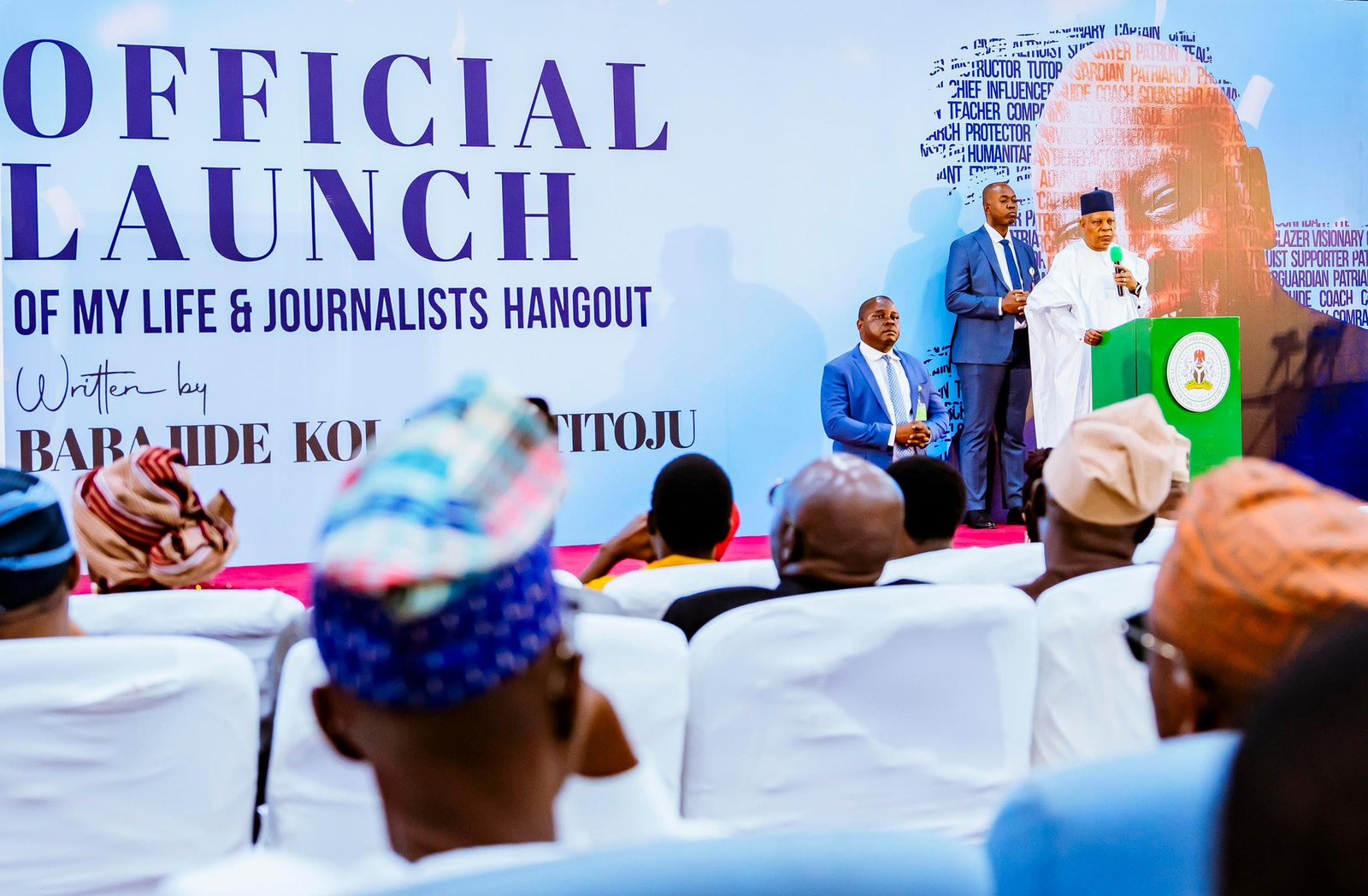
Vice President Shettima Urges Media to Uphold Democracy Through Critical Engagement
In a compelling address in Abuja, Vice President Kashim Shettima emphasized the vital role of the Nigerian media in fostering a robust democracy. He made this assertion during the public presentation of a new book titled "My Life," coinciding with the 60th birthday celebration of renowned journalist Babajide Kolade-Otitoju.
The Role of Media in Democracy
Shettima urged the media to engage in constructive criticism and critical thinking in their reportage, stating that democracy flourishes not just through elections and institutional frameworks, but also through a media landscape that rigorously examines ideas and holds those in power accountable.
"Society faces decline when ideas remain unchallenged, and citizens neglect to scrutinize dominant narratives," he cautioned. Highlighting the necessity of courageous scrutiny, he said, “A society is destroyed not by the absence of ideas, but by the absence of men and women with the courage to interrogate ideas.”
Honoring Journalistic Integrity
The Vice President commended Kolade-Otitoju for fostering a culture of critical engagement through his television program, Journalists Hangout. He described Kolade-Otitoju as a beacon of intellectual integrity and courage in journalism, underscoring the importance of the media as a "republic of conscience" that shapes public discourse and combats misinformation.
Shettima remarked that critical thinking within journalism is essential for refining national conversations and safeguarding society from conspiracy theories, while encouraging rational public debate.
Celebrating a Media Legend
In recognition of Kolade-Otitoju’s distinguished career, Shettima noted the rarity of maintaining integrity and relevance in journalism over the years. The Vice President acknowledged that Kolade-Otitoju’s contributions significantly shape media and democratic development in Nigeria.
Kwara State Governor and Chairman of the Nigerian Governors’ Forum, AbdulRahman AbdulRazaq, mirrored Shettima’s sentiments, further praising the media’s instrumental roles in promoting democracy and national progress.
Insights from the Publication
In a review of the book, Kyari Mohammed shared that it offers profound insights into journalism, governance, and public life. He recommended the book as a valuable resource for both policymakers and practitioners, reinforcing its relevance in today’s media landscape.
Former Director-General of the National Broadcasting Commission, Danladi Bako, also saluted Kolade-Otitoju as a committed professional dedicated to enhancing public reasoning. Speakers including Sunday Dare, Gbenga Aruleba, and Abike Dabiri joined in honoring the journalist’s considerable contributions to both media and democracy within Nigeria.
Conclusion
Vice President Shettima’s call to action for the Nigerian media serves as a reminder of the pivotal role journalists play in sustaining democracy through accountability, critical thought, and public engagement. Such discussions encourage a healthier, more informed public discourse, ultimately benefiting the nation’s democratic fabric.
For more insights on the role of journalism in democracy, visit Journalism.org and explore the impact of media on governance.
