

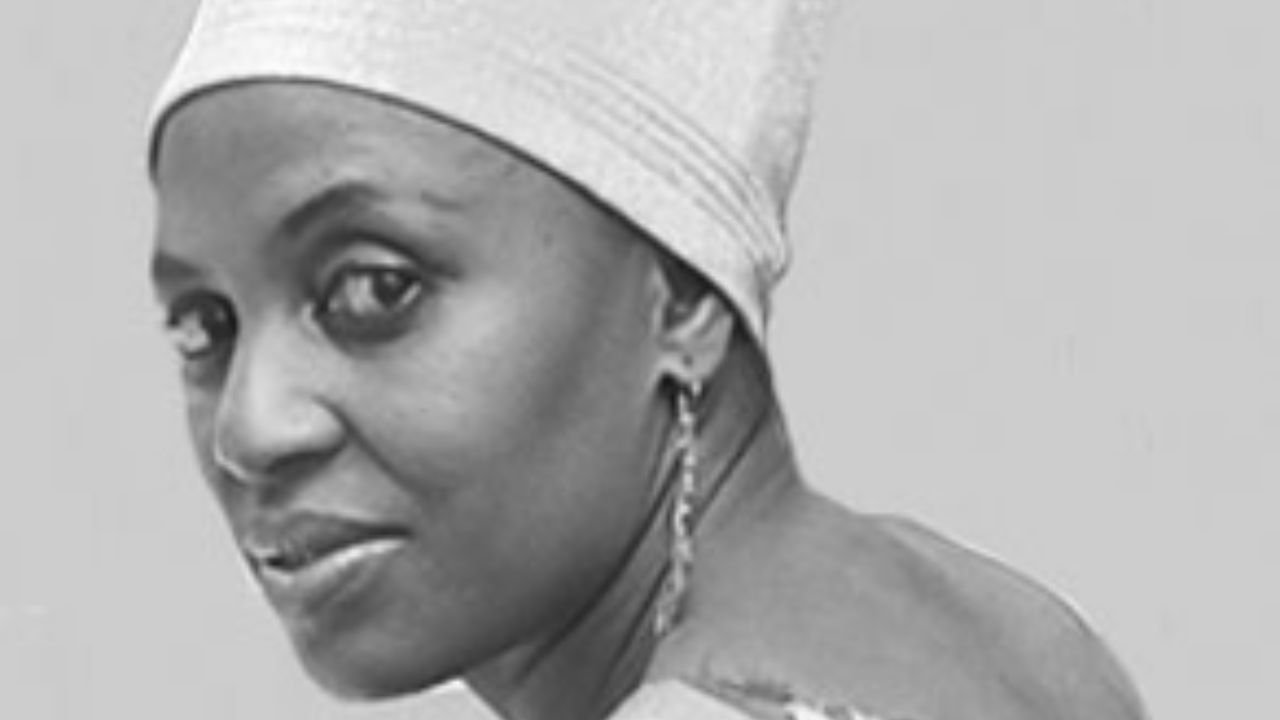
On the occasion of what would have been Dr. Miriam Makeba’s 94th birthday, South Africa reflects on the powerful legacy of a cultural icon who challenged apartheid on the global stage. More than just a talented artist, Makeba’s music and activism transformed the narrative around the country’s fight for justice, resonating with audiences across generations.
This year marks a significant milestone as the nation also observes 50 years since the historic events of 1976, a pivotal moment in South African history characterized by youth resistance and a burgeoning global awareness of political issues. The Miriam Makeba Foundation emphasizes the enduring impact of Makeba’s international advocacy.
A Speech that Traveled Beyond Music
During one of the most tumultuous periods of apartheid in 1976, Makeba delivered a speech at the United Nations General Assembly that would become a defining moment in cultural history. Speaking not merely as an artist in exile but as a firsthand witness to the injustices of apartheid, she boldly called on global leaders to take action. Her iconic declaration, “We are not asking for sympathy. We are asking for justice,” continues to resonate today.

At a time when international reactions to apartheid were often tentative and divided, Makeba used moral clarity and personal testimony to create a powerful intersection of culture and politics, transforming diplomacy into an urgent call for justice.
More Than a Performer
Known globally as “Mama Africa,” Makeba’s influence transcended her musical achievements. Her performances, from the townships of Johannesburg to prestigious international stages, narrated stories of displacement, resilience, and identity during a period of systemic silencing. Through her artistry, she practiced cultural diplomacy, showcasing African identity with pride in the face of racial oppression.
In doing so, Makeba redefined global perceptions of African music and paved the way for future artists to follow in her footsteps. The foundation honoring her legacy underscores how artistic expression can wield significant political power while remaining deeply human and creative.
Makeba’s impact continues through initiatives like the Miriam Makeba Centre for Girls in Midrand, which supports young women through educational and personal development programs. Her influence is evident in contemporary African music, inspiring artists such as Thandiswa Mazwai, Angélique Kidjo, Yvonne Chaka Chaka, Simphiwe Dana, Somi, and her granddaughter Zenzi Makeba Lee.
This anniversary serves as a call to cultural institutions, educators, and artists to revisit Makeba’s UN speech, viewing it not just as a historical moment but as a vital testament to culture’s role in shaping public conscience.
Though Makeba passed away in 2008, her legacy endures within South Africa’s cultural and political landscape. Her music continues to resonate across generations, reminding audiences that art can serve as both a means of expression and a vehicle for accountability.

Connect with us through our WhatsApp Channel for engaging and relevant content worth exploring! Click here to join!
Also read:
LG and Chidiri Nwaubani reimagine African heritage at Investec Cape Town Art Fair
