

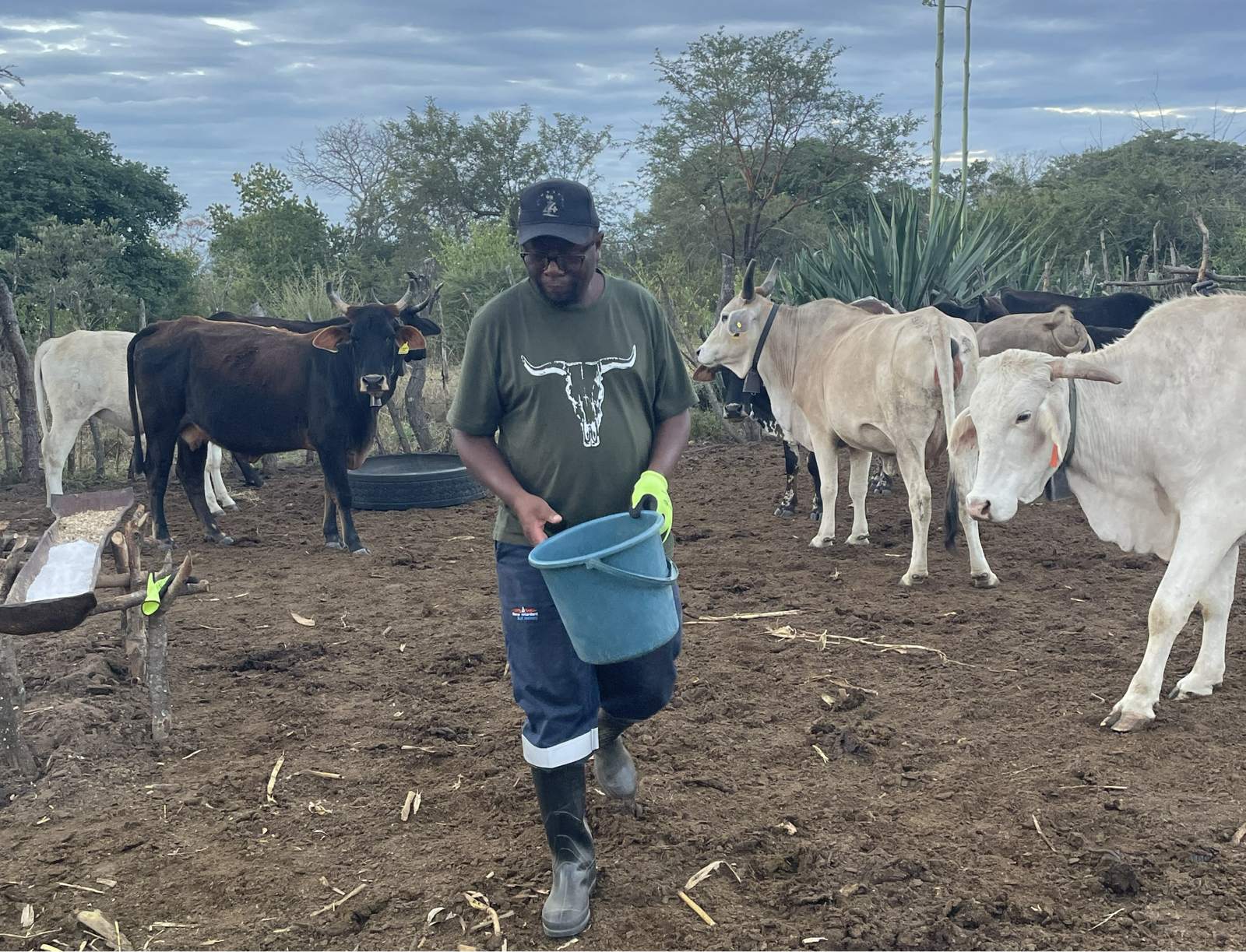
Understanding Livestock Adaptation to Climate Change in Southern Africa
Climate change poses significant challenges for livestock producers on redistributed farms across southern Africa. A recent report from the Institute of Poverty, Land and Agrarian Studies (PLAAS) at the University of the Western Cape highlights how small- and medium-scale livestock producers in Zimbabwe and South Africa are responding to climatic variability.
The Challenge of Climate Variability
The findings, edited by Tapiwa Chatikobo and Ben Cousins, focus on how livestock producers navigate the unpredictability of ‘non-equilibrium’ rangelands, specifically in Namaqualand, South Africa, and the Matobo district in Zimbabwe. These areas experience significant fluctuations in temperature, rainfall, and vegetation, making traditional farming practices increasingly challenging. Climate change is anticipated to exacerbate these environmental variables.
Lessons from Small-Scale Producers
As the report delves deeper, it accentuates the importance of adaptability. Livestock producers are employing strategies such as mobility to track resources, and flexibility in managing livestock species to respond to environmental changes. The report notes:
“Our analyses demonstrate that mobility and other means of tracking resources – ‘opportunism’, flexibility, changing species, and so on – remain key in post-land reform settings and should be recognised and supported.”
Climate Adaptation in Zimbabwe’s Farming Landscape
In the Zimbabwe chapter, the impact of land reform on livestock management is explored. The reconfiguration of rangelands has led to divisions of previously large commercial ranches into smaller units, creating a unique social and environmental landscape. This fragmentation complicates how livestock are managed, particularly in dry regions.
Innovative Adaptation Strategies
Producers in Matobo employ a diverse range of strategies based on individual and shared resources, including creative land-sharing and short-term rental agreements. Notably, the revival of the traditional ‘mlaga’ transhumance system serves as a vital adaptation to navigate the variable climate, allowing producers to access different rangelands based on seasonal changes.
Land Redistribution and Climate Resilience in South Africa
The South African chapter, authored by ecologists Igshaan Samuels and Clement Cupido, examines the potential of land redistribution to enhance climate resilience among traditional Nama pastoralists. Despite the promise, current practices face challenges such as elite capture, where a few individuals dominate the decision-making processes regarding land reform.
Proposed Changes for Improved Resilience
The report criticizes the existing commercial ranching model, advocating for a more suitable approach to land use. The authors suggest a comprehensive model that includes the purchase of adjacent farms to enhance grazing availability. This would facilitate seasonal movements of livestock to optimize resource use.
Diverse Strategies for Climate Adaptation
The report underscores that livestock producers employ various adaptation strategies, ranging from intensification through external inputs to extensification via adaptable land markets. Mobility remains central for those with limited resources, leading to innovative grazing arrangements during challenging periods.
The report concludes:
“In our view, livestock production systems in the drylands of Southern Africa are complex, hybrid, emergent, and resilient. These systems are still evolving and require continuous research to understand their dynamics and implications.”
To explore the full findings from this comprehensive study, download the report here: PLAAS Report.
Published in the context of Agriculture

