

Image credit: The Green Connection
Understanding Meaningful Consultation in Mining
Meaningful consultation is a vital process that aims to empower communities potentially impacted by mining activities. To be effective, such consultations must encompass the following elements:
-
Communities must receive clear, truthful, and transparent information about the mining operations that will affect them.
-
Input from communities should be solicited openly, without any deception or preconceived notions. Rather than merely ‘ticking boxes’, mining companies should seek genuine permission from entire communities, not just traditional leaders, acknowledging internal differences within the community.
-
Communications should be conducted in accessible local languages and through media channels familiar to the community.
-
Communities should have ample opportunity to articulate their questions and concerns, with sufficient notification for meetings rather than last-minute announcements. As highlighted in a recent Constitutional Court ruling, consultation should empower communities to influence decisions.
-
Meetings should be hosted in accessible locations that all community members can reach easily.
Cultural sensitivities, including aspects of intangible cultural heritage, are also crucial during consultations. For instance, the Wild Coast community’s opposition to seismic surveys can be attributed to their Xhosa cosmology belief that ancestors inhabit the ocean.
Furthermore, it is essential for communities to have access to comprehensive information regarding the mining project, including ownership structures and financial capability. This empowers them to make informed decisions about the potential impacts of the proposed mine.
The Role of Law in Ensuring Proper Consultation
According to Section 24 of the Constitution of South Africa, companies initiating mining operations must comply with the 2008 National Environmental Management Waste Act and the 2002 Mineral and Petroleum Resources Development Act. These laws stipulate that decisions regarding environmental impacts (and related community livelihoods) should not be made without consulting affected stakeholders, such as activists and non-governmental organizations.
Challenges in Practical Consultation
In reality, meaningful consultation is often lacking, leading to critical failures. Government involvement in promoting developmental projects frequently undermines local concerns and rights, with authorities assuming they know what is best for communities. A stark example of this occurred in 2008 when then-Minister Buyelwa Sonjica urged the residents of agrarian villages in Xolobeni to accept a titanium mine on their land because of their economic status.
The reality is that mining projects can incite community division, resulting in potential violence. Environmentalists, such as Fikile Ntshangase of the Mfolozi Community Environmental Justice Organisation, have faced severe backlash for opposing mining initiatives, sometimes with deadly consequences.
Moreover, mining companies often present documents in complex academic language, excluding local speakers from meaningful participation. A notable instance occurred in 2011 with Royal Dutch Shell’s application for shale gas fracking in the Karoo, where technical jargon hindered understanding among isiXhosa and Afrikaans speakers.
Even when consultations are conducted, they frequently take the form of mere formalities, with the state and industry wielding more power than local communities.
Environmentalists: Advocating for Community Rights
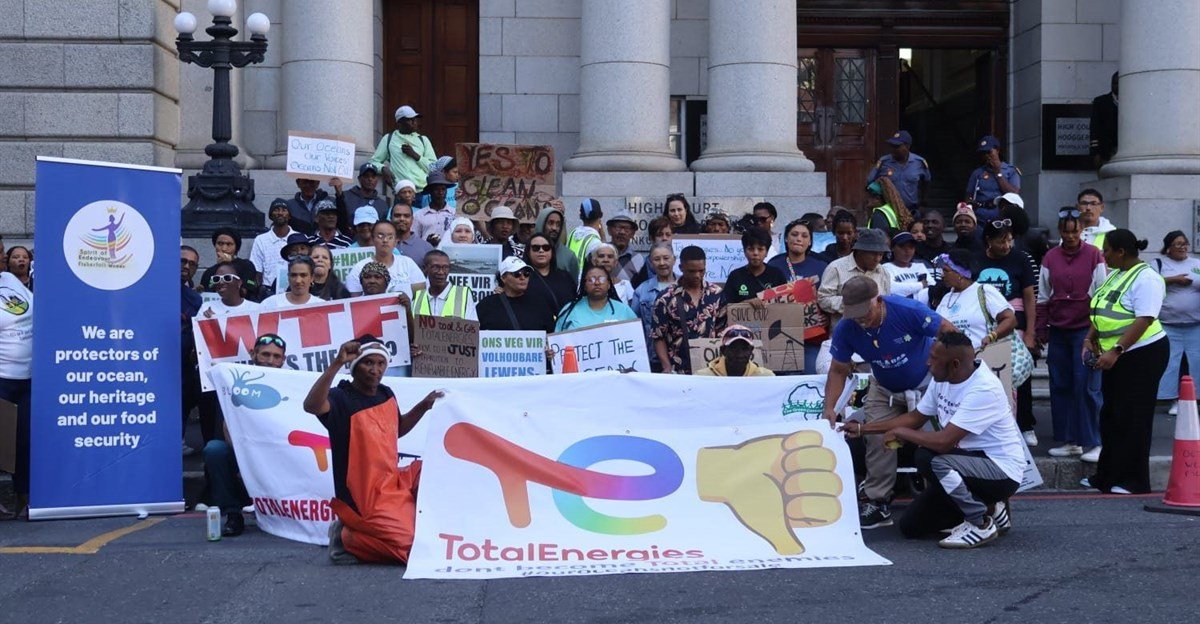
Environmentalists have played a pivotal role in challenging inadequate consultation practices. Legal actions have successfully nullified environmental authorizations and mining licenses due to improper community engagement. Lawsuits have also been initiated to prevent mining activities that could infringe upon local communities’ spiritual and cultural heritage.
In various instances, litigation against air pollution and opposition to coal mines has halted operations that posed threats to the climate. Environmental advocacy groups, ranging from grassroots organizations to well-funded NGOs like groundWork and Centre for Environmental Rights, strive to hold the government and mining companies accountable for their actions.
These activists engage in diverse strategies, from legal actions to grassroots outreach, advocating for transparency and community engagement in environmental authorizations. The Promotion of Administrative Justice Act allows individuals to seek information on development projects, empowering communities to challenge secrecy and inaction effectively.
Additionally, efforts to combat “strategic lawsuits against public participation” (SLAPP lawsuits), which suppress activists through legal intimidation, have gained momentum. A recent Constitutional Court ruling deemed SLAPP litigation partially unconstitutional, emphasizing the need for justice and accountability.
Successful Consultation Practices
While notable successes in mining project consultations remain scarce, there are examples of effective community engagement that can serve as models for future practices.
Empowering Communities for Genuine Consultation
For substantial change to occur, the South African government must take decisive steps toward improving the consultation process. Education initiatives should be launched to enlighten communities about the essence of meaningful consultation.
Utilizing local languages and media in consultations is vital, alongside arranging meetings in accessible venues with transportation support. Educational efforts from academic institutions can also help communities grasp the implications of proposed developments.
Free, prior, and informed consent must be prioritized, ensuring community members are equipped to make sound decisions. Making all environmental authorization applications accessible is crucial for fostering informed community involvement. Furthermore, there is an urgent need to support grassroots environmental groups that often operate without financial resources.
Overall, a collaborative approach involving government, academia, local communities, and activism is essential for realizing genuine participation in mining consultations, ensuring that all voices are respected and heard.
