

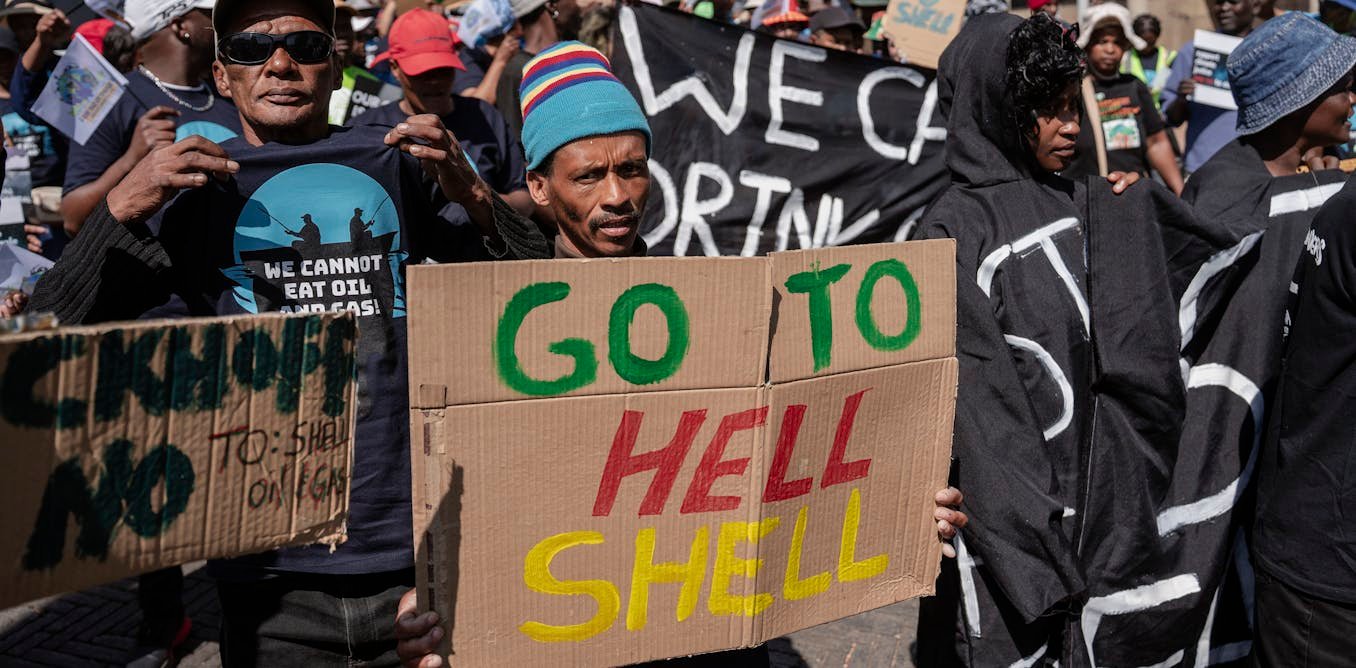
The Struggles of Environmental Activism in South Africa
South Africa has witnessed a persistent wave of legal confrontations led by environmental activists against both the state and mining corporations. These ongoing battles primarily argue that mining projects often proceed without adequate consultation with local communities, whose lives and land are significantly impacted.
Legal Milestones in Environmental Activism
Environmental justice researcher Mzingaye Brilliant Xaba has documented legal cases concerning mining since 2015. His comprehensive analysis of court decisions, research findings, and media reports reveals that activists have successfully utilized lawsuits to affirm land rights. This legal precedent imposes stringent obligations on the government and the mining industry to engage in genuine consultations with affected communities before launching any mining endeavors.
What Constitutes Meaningful Consultation?
To ensure effective consultation, several key principles must be adhered to:
-
Transparent Communication: Communities affected by potential mining activities must receive truthful information about the proposed operations.
-
Good Faith Engagement: Consultation should be conducted sincerely, devoid of deception and preconceived notions, avoiding superficial ‘tick-box’ exercises. Engaging with a traditional leader alone is insufficient; the entire community must be involved.
-
Accessibility: Information should be communicated in local languages, ensuring clarity and comprehension among all community members.
-
Open Dialogue: Affected individuals should have opportunities to ask questions freely, with sufficient notice given for meetings to facilitate meaningful participation.
- Convenient Venues: Consultation meetings should occur in accessible locations for all community members.
Cultural Considerations in Mining Projects
Moreover, the consultation process must take into account local cultural heritage. For example, South Africa’s Wild Coast community opposed seismic surveys based on their spiritual beliefs that regard the ocean as inhabited by ancestors. This highlights the necessity of recognizing intangible cultural heritage during such discussions.
Environmental Legislation and Consultation
Mining companies must comply with Section 24 of the South African Constitution, along with several key environmental legislations, including the National Environmental Management Waste Act of 2008 and the Mineral and Petroleum Resources Development Act of 2002. Collectively, these laws mandate that the state must prohibit any environmental decision-making without first consulting interested and affected parties, which includes local activists and non-governmental organizations.
The Reality of Consultation Practices
Unfortunately, the implementation of these legal frameworks is often flawed. South African governmental strategies frequently prioritize industrial development over local community concerns, disregarding their rights and aspirations. A notable instance occurred in 2008 when then-Minister of Minerals and Energy, Buyelwa Sonjica, urged agrarian villages in Xolobeni to accept a titanium mine because they were deemed "poor" and in need of development.
Threats to Local Activism
Mining initiatives can not only cause division within communities but also pose significant threats to local environmental activists. Fikile Ntshangase, a prominent activist against the Tendele Coal Mine, was tragically assassinated in 2020. Such incidents underscore the serious risks that activists face while advocating for their communities’ rights.
Struggles with Communication Barriers
Community members often struggle with complex legal terminologies present in consultation documents, making it challenging to engage meaningfully. For instance, Royal Dutch Shell faced criticism in 2011 for using academic English in consultation documents regarding proposed hydraulic fracturing in the Karoo desert, which alienated many isiXhosa and Afrikaans speakers from the process.
Strategies for Environmentalists
Despite these challenges, environmentalists have managed to leverage the legal system to safeguard community rights. Courts have annulled mining licenses and environmental authorizations when proper consultation was deemed absent. Activists argue that violation of local spiritual and cultural heritage justifies halting mining endeavors.
Legal Actions and Community Mobilization
Environmental advocacy encompasses a diverse array of participants ranging from well-versed individuals like lawyers to small grassroots groups. Organizations such as groundWork and the Centre for Environmental Rights are instrumental in conducting research, mobilizing protests, and pursuing legal challenges against environmentally harmful projects.
Proactive Community Involvement
The Promotion of Administrative Justice Act enables individuals to demand information regarding proposed developments that could affect them. Environmentalists often preemptively act to contest development proposals, thereby effectively pausing projects until proper consultation is achieved.
Confronting SLAPP Lawsuits
There is a growing movement against SLAPP (Strategic Lawsuits Against Public Participation) lawsuits, where corporations attempt to silence activists through legal intimidation. In 2022, the Constitutional Court deemed some of these lawsuits unconstitutional, providing a beacon of hope for environmentalists.
Opportunities for Improved Consultation
Currently, there are no widely cited mining projects noted for their exceptional consultation practices. To reshape future engagement, the South African government must assume responsibility in enhancing consultation frameworks. This includes establishing educational programs that inform communities about their rights and what constitutes meaningful consultation.
Recommendations for Future Engagement
All local languages should be utilized during consultations, and community-friendly venues should be established. Assistance regarding transport to meetings should also be provided to enable maximum participation. Furthermore, improved funding for grassroots environmental groups is essential to bolster their efforts.
Conclusion
The landscape of environmental activism in South Africa is evolving, influenced by legal precedents and community mobilization. For meaningful consultation to become a reality, a concerted effort from both the government and civil society is necessary, ensuring that local voices are heard and respected in the development of mining projects.
For more insights into the legal landscape surrounding environmental rights in South Africa, explore this resource and this analysis.
