

Water Crisis in Southern Africa: A Deepening Emergency
Southern Africa is experiencing a severe water crisis exacerbated by climate change and structural failures in both infrastructure and governance. The situation is particularly dire as local economies adapt to burgeoning climate pressures, revealing the fragility of water supply systems across the region.
Severe Water Shortages in Urban Areas
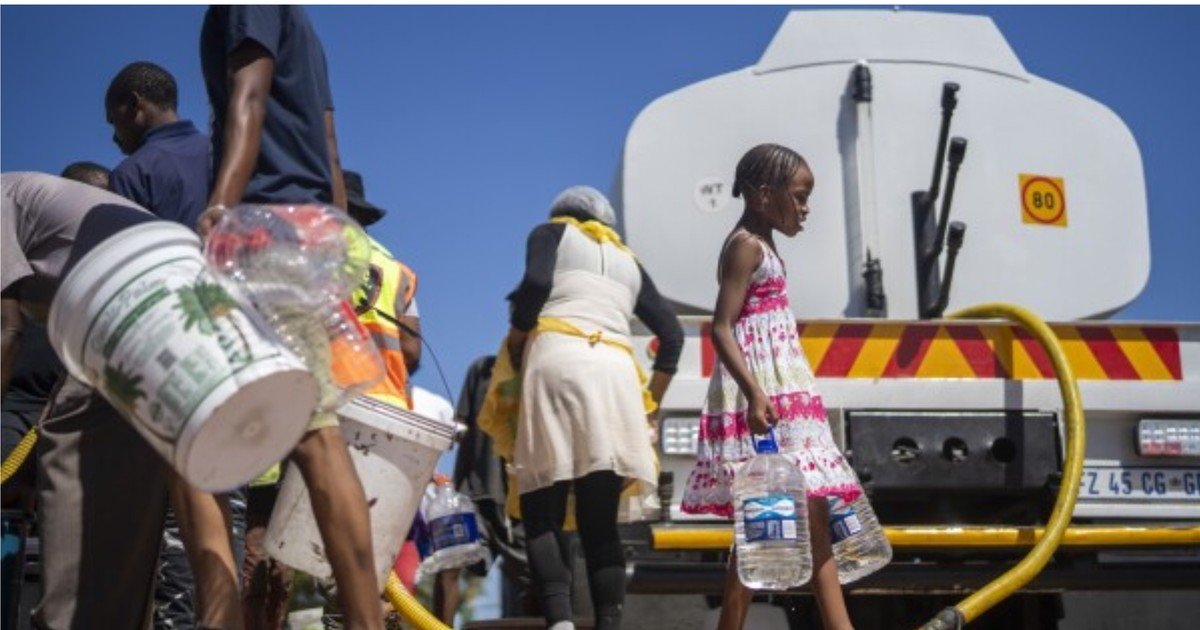
In Johannesburg, the economic heart of South Africa, widespread water supply disruptions have left many communities struggling for weeks without consistent access to this vital resource. Residents have resorted to protests, including public bathing, to underscore the severity of the crisis. As reported by Associated Press, the increasing pressure on water systems has forced residents to line up for hours to secure basic needs.
This need has heightened financial burdens for households as well, with a five-liter bottle of water priced at approximately 25 rand ($1.30) amid soaring unemployment rates exceeding 32%.
Infrastructure Failures at the Heart of the Crisis
Interestingly, the issue is not merely a lack of water; analysts emphasize that systemic failures in municipal management are significantly responsible for the ongoing shortages. Decaying infrastructure, including reservoirs and pipelines, has been unable to meet the rising demand. Even with heavy rainfall and dams at full capacity, the shortages continue.
In a bid to address these critical issues, President Cyril Ramaphosa announced the formation of a national crisis committee and pledged over 150 billion rand ($7.6 billion) toward upgrading water infrastructure and sanitation facilities over the next three years.
Lesotho’s Role as a Key Supplier
Amid these escalating challenges, neighboring Lesotho has begun to emerge as a pivotal water supplier. With its economy primarily reliant on textiles and diamond exports, water has become increasingly valued, often referred to as “liquid gold.” The kingdom, home to approximately 3 million people, has been exporting water through the Lesotho Highlands Water Project, which has been in place since 1986.
This project channels nearly 800 million cubic meters of water annually from the highlands of Lesotho to South Africa, fulfilling around 60% of Johannesburg’s water demands. Notably, as reported by Bloomberg, this project generates close to $300 million each year in royalties for Lesotho’s government, accounting for roughly 15% of its total revenue.
Strategic Negotiations Ahead
In light of the escalating demand and strategic value of water, Lesotho is preparing to renegotiate the longstanding agreements with South Africa. Natural Resources Minister Mohlomi Moleko stated that discussions will commence in April, focusing on royalties that significantly impact the Lesotho economy.
Officials have acknowledged that the existing terms do not reflect contemporary economic realities. Moleko emphasized the need for increased compensation, suggesting that any adjustments should genuinely improve the quality of life for those affected.
Delays in Infrastructure Expansion
Further complicating the situation is the delay in the second phase of the Lesotho Highlands Water Project, with completion not expected until 2030. This postponement threatens to exacerbate water shortages throughout South Africa’s urban centers, where demand continues to grow.
As extreme weather patterns, including recent Red Level 10 storms that displaced thousands across Mozambique and Zimbabwe, add further stress to the region’s water systems, the urgency for effective solutions has never been greater.
Conclusion: Water as a Transformative Resource
With water scarcity becoming a pressing issue across Southern Africa, Lesotho’s strategic position as a key supplier is taking on new importance. As Lesotho seeks to leverage this commodity, regional dynamics are shifting, with water emerging as a critical economic resource. The kingdom’s push for better terms underlines the evolving landscape in a region where every drop counts.
