

Lagos: A Beacon of African Potential
Governor Babajide Sanwo-Olu Highlights the Transformative Power of Lagos at Africa Week 2026
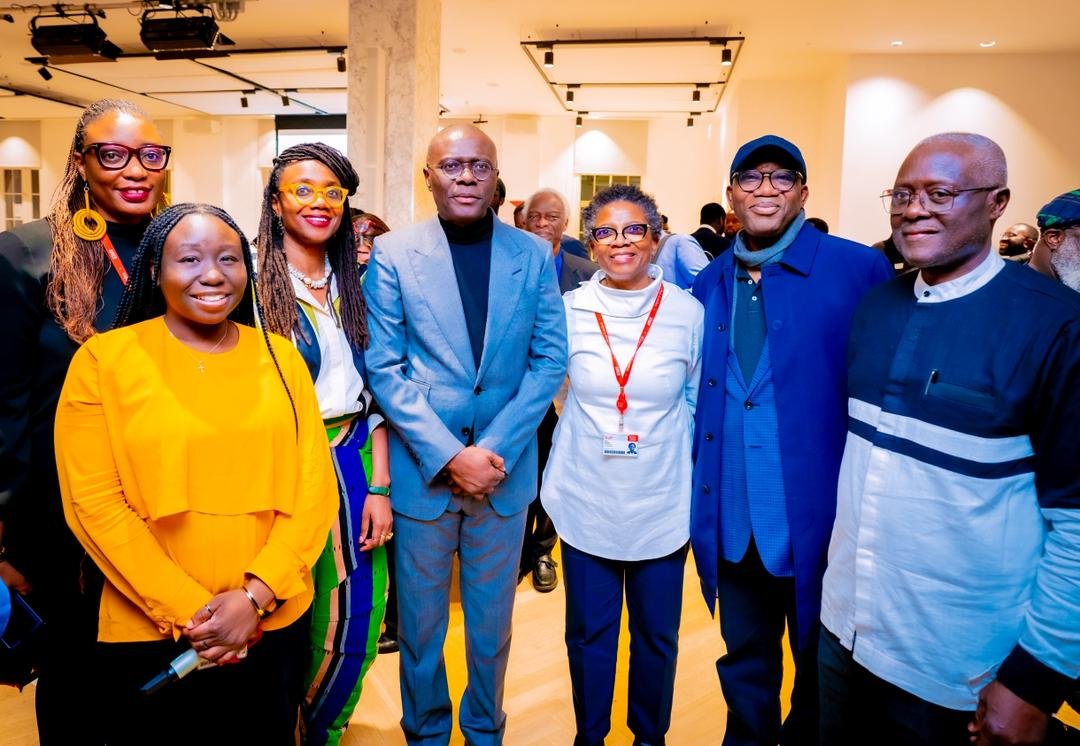
The Governor of Lagos State, Mr. Babajide Sanwo-Olu, addressed attendees at the closing ceremony of Africa Week 2026, emphasizing the city’s monumental role as a catalyst for African possibilities. Speaking at King’s College London, he illustrated how this vibrant metropolis, though occupying a fraction of Nigeria’s land area, has evolved into one of Africa’s preeminent urban economies.
Lagos: A Strong Economic Force
Governor Sanwo-Olu pointed out that Lagos stands as Africa’s second-largest city economy, boasting a significant GDP of approximately $259 billion on a purchasing power parity basis. He emphasized that Lagos serves not only as Nigeria’s primary commercial hub but also as a destination teeming with capital, talent, and innovation. With its dynamic environment, Lagos exemplifies how sub-national governance can influence not only local growth but also impact regional and global discourse.
Theme of the Event: Beyond Nation-State Boundaries
During his keynote, Sanwo-Olu reflected on the theme, “Exercising Agency beyond the Nation-State,” which is vital in today’s discourse surrounding power and development. He noted that discussions often center around national governments, overlooking the agency cities like Lagos possess in shaping development narratives.
Innovation and Growth: The Lagos Startup Scene
Highlighting Lagos as a booming tech ecosystem, Governor Sanwo-Olu remarked on its status as the world’s fastest-growing tech hub. The state is home to over 2,000 startups and has produced five unicorns in sectors such as fintech and digital commerce. This development aligns with his administration’s vision of transforming Lagos into a 21st-century megacity.
“Lagos must be governed not as a problem to be managed, but as a platform to be unlocked,” said the Governor, explaining his administration’s THEMES+ agenda which addresses various urban challenges.
Multimodal Transport and Urban Resilience
Sanwo-Olu outlined the strides made in developing an integrated multimodal transport system as a pillar of urban productivity. Initiatives include the commencement of the Blue Line rail service and the recent inauguration of the Red Line corridor.
He believes that effective urban mobility is essential for unlocking productivity and enhancing the quality of life for residents. The administration’s efforts have also focused on building critical infrastructures such as roads and bridges, coupled with improvements in housing and emergency response systems.
Focus on Sustainability and Climate Resilience
Climate change is a pressing concern for the Lagos government. Sanwo-Olu stressed the urgency of addressing climate risks, particularly as urban growth increases vulnerability to flooding and sanitation issues.
To combat these challenges, the state has rolled out the Lagos Climate Adaptation and Resilience Plan, initiated in 2024, focusing on sustainable practices and infrastructure investments.
Nurturing Creativity for Economic Growth
Lagos treats its creative industries—music, film, fashion, and digital content—as crucial economic sectors producing jobs and enhancing the city’s global image. The Governor noted, “In Lagos, creativity is not just expressive; it is developmental,” reinforcing the idea that cultural industries have significant implications for economic development.
Conclusion: The Future of African Cities
Sanwo-Olu concluded with a call for African cities to assert their agency in global discussions. By fostering environments conducive to innovation and collaboration, Lagos aims to lead by example, demonstrating how urban spaces can contribute meaningfully to national and international development.
Through strategic initiatives and unwavering commitment, Lagos stands as a powerful example of what African cities can achieve, ultimately contributing to the larger narrative of progress on the continent.
For more on the transformative cities in Africa, visit African Leadership Centre.


