

Middle East Conflict Poses Threat to Africa’s Fuel Supply Chain
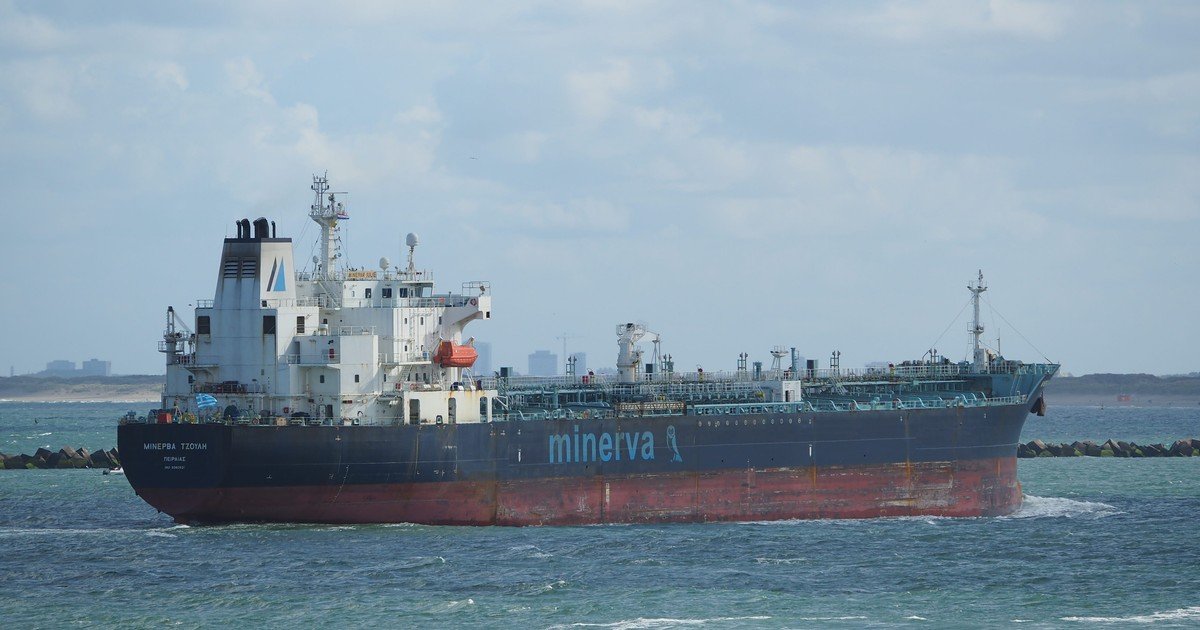
A recent report from Bloomberg indicates that Kenyan authorities are diligently monitoring the status of a fuel tanker poised to load petroleum products in the Red Sea. These products are deemed critical to the economy of Kenya.
Kenya’s Energy Regulatory Authority Responds
Daniel Kiptoo, the Director General of Kenya’s Energy and Petroleum Regulatory Authority (EPRA), has stated that officials are keeping a close watch on scheduled fuel cargo shipments. He cautioned that any disruption could significantly impact the country’s fuel supply.
Although specific details about the tanker remain undisclosed, growing concerns within the government suggest that any failure to load the scheduled cargo could have serious implications.
Fuel Prices and Supply Outlook
Despite these concerns, Kiptoo believes that the impact on fuel prices will be minimal, highlighting that Kenya currently possesses sufficient reserves. These reserves will be further reinforced with additional cargo expected between this month and early April, as indicated in this assessment.
Kenya’s dependence on imported refined petroleum products is substantial, primarily sourcing its fuel from the Middle East through government-to-government supply agreements with national oil companies in Saudi Arabia and the United Arab Emirates.
These shipments are typically transported via Red Sea routes and delivered to the port of Mombasa, which acts as a key fuel hub for East Africa. Any disruption to these tanker movements could tighten supplies not only in Kenya but also in neighboring nations reliant on its fuel distribution network.
Wider Implications of Middle East Tensions
The situation in Nairobi is compounded by escalating conflicts involving Iran, raising fears of broader disruptions to one of the world’s most crucial oil transit corridors. A large portion of global crude and refined fuel shipments traverse through the Strait of Hormuz, a narrow waterway connecting the Persian Gulf to international markets. Increasing tensions in the region have heightened security risks for shipping lines and insurers, leading many vessels to delay or reroute their cargoes, as noted in this report.
For Africa, where numerous economies are heavily reliant on imported petroleum products, the ripple effects of these tensions could be significant. South Africa, recognized as the continent’s industrial powerhouse, is already bracing for potential impacts, with analysts predicting sharp increases in fuel prices as global oil prices soar and shipping costs rise.
Higher fuel prices could exacerbate inflationary pressures on African economies already struggling with currency volatility and growing import bills. Energy analysts caution that prolonged interruptions to tanker traffic in the Middle East could leave several African nations scrambling to secure alternative supplies, particularly those with limited strategic reserves.
Kenya’s Strategic Importance
For Kenya, the monitoring of the said tanker loading and subsequent delivery is essential in mitigating potential short-term supply disruptions within the local energy market. The government’s careful management of fuel supply contracts aims to stabilize domestic prices amidst the broader turmoil.
