

The Threat to Journalism in Africa: Scrutinizing Diplomatic Intimidation
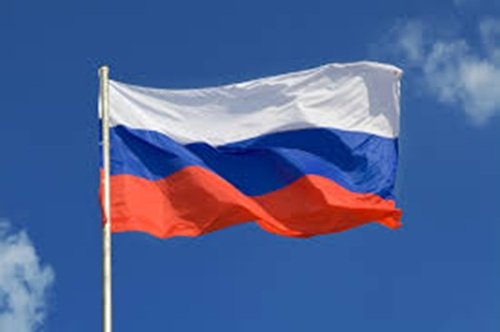
In recent months, a troubling trend has emerged within Africa’s diplomatic and media landscape: foreign embassies publicly targeting individual journalists for asking challenging questions. This alarming behavior is exemplified by the Russian Embassy in Nigeria, which has issued stern rebukes to reputable media outlets and commentators over critical reporting. Such actions raise significant concerns regarding press freedom, national sovereignty, and the dignity of African voices.
The Impact of Diplomatic Intimidation on Journalistic Integrity
The public denunciation of any journalist by a foreign mission is not merely a disagreement; it is a profound threat to free expression. Journalists serve as essential watchdogs, questioning power both domestically and abroad. When embassies transition from sharing information to discrediting particular individuals, the message becomes clear: dissent will be penalized personally rather than refuted professionally. This worrying trend could easily escalate from targeting one journalist to threatening an entire media ecosystem.
Recent Developments and Notable Outlets Targeted
Prominent media organizations such as Premium Times, Thisday, The Guardian, and Leadership have faced intensified criticism after publishing critical analyses. Established commentators, including Azu Ishiekwene and Richard Akinnola, have also been singled out. Instead of addressing substantive concerns, responses have included personal attacks and unfounded insinuations of ulterior motives among journalists, undermining constructive dialogue.
Journalism as a Pillar of Democracy
Acknowledging that journalists are human and make mistakes is crucial. Professional reporting should be open to correction. If inaccuracies arise, evidence must be provided to allow the public to form their own judgments. Resorting to insults and attempts to tarnish reputations is not a form of counterargument; it amounts to an effort to suppress scrutiny. No foreign government should expect immunity from inquiry on African soil.
The Need for an Independent African Perspective
Africa’s position in the shifting global order must be rooted in principle and independence. The continent has little vested interest in the ongoing geopolitical strife between Russia and the West. A genuine Pan-African perspective necessitates equal scrutiny of all external players. If credible evidence surfaces indicating that any nation—whether it’s Britain, France, the USA, or China—is orchestrating the recruitment of Africans into foreign conflicts under misleading pretenses, similar criticism should be warranted. Simply put, African lives should not be mere fodder in international geopolitical struggles.
Ethical Concerns Surrounding Foreign Recruitment
Reports of Africans, including Nigerians, being pulled into distant conflicts pose serious ethical issues. Through covert networks or deceptive employment offers, African citizens are being entangled in battles that do not concern them. Journalists who bring these dangers to light are not attacking any nation; they are protecting Africans from exploitation and avoidable tragedies.
Kenya’s Proactive Approach
Kenya’s recent actions provide a model for handling such issues. The Kenyan government publicly condemned the recruitment of its citizens into foreign military conflicts and sought to close illegal recruitment agencies. This firm response reflects a broader awakening among African nations: prioritizing citizen safety and dignity must take precedence over appeasing powerful allies. Other African nations, including Nigeria, should adopt similar vigilance.
The Challenge of Neocolonialism
The current form of neocolonialism is defined not by visible flags or territorial control but by dependency, influence, and the dominance of narratives. Powers from both East and West sometimes assume that African voices should align with their geopolitical interests. This assumption is unacceptable; Africans possess their own aspirations, challenges, and interests. They are not mere pawns within external strategic conflicts.
Seeking Reciprocal Respect in Diplomacy
Diplomatic respect must be reciprocal. If a foreign embassy were to publicly attack a journalist by name in Moscow, Paris, or Washington, such behavior would be deemed unacceptable. Sovereignty mandates mutual respect rather than selective outrage. African nations deserve the same diplomatic courtesies that global powers expect at home.
Upholding Journalistic Standards
While it is vital for African journalism to remain anchored in professionalism, it is equally crucial to foster an environment free from intimidation. A chilling effect occurs when journalists are singled out, discouraging other reporters from probing sensitive public issues.
A Call for Collective Action
The African media community must respond collectively to threats against individual journalists. Silence in the face of intimidation may normalize such behavior. Journalists, editors, and civil society organizations should unite to defend the right to ask difficult questions without the fear of diplomatic repercussions. Protecting individual journalists ultimately safeguards the larger journalistic profession and the democratic landscape.
Conclusion: The Way Forward for Africa in a Multipolar World
Africa’s future in an increasingly multipolar world will hinge on its ability to engage with all partners while preserving its sovereignty. Intellectual independence is vital; it empowers African voices to question all external agendas without fear. Whether the criticism is directed at Russia, Western nations, or any other power, the standards must remain consistent. It’s essential to prioritize facts over propaganda, engage in dialogue rather than intimidation, and uphold mutual respect above coercion.
No nation is above scrutiny. Every African journalist deserves the opportunity to perform their essential role in democracy without the threat of silencing.
