

The Vital Role of Bees in Agricultural Productivity in South Africa
An Overview of South African Honey Consumption
In South Africa, annual honey consumption reaches an impressive 5,000 tons, translating to about 10 million jars. However, a significant portion of this demand is met through imports, as local production struggles to keep pace.
The Beekeeping Landscape
The South African beekeeping sector consists of approximately 400 commercial beekeepers managing around 60,000 hives. In addition, the formal sector includes over 2,000 small-scale beekeepers (those with fewer than 200 hives), while there are an estimated 4,000 informal beekeepers. Despite the potential of these small-scale operations, they remain marginalized and often find it challenging to compete in a market with rising demand.
Challenges Facing Small-Scale Beekeepers
Small-scale beekeepers frequently encounter barriers to entry into the value chain due to a lack of investment and support. This underutilization not only hinders their growth but also limits the economic benefits that could be generated for local communities. A coherent policy framework is essential for enhancing support for small-scale beekeepers, encompassing land access and extension services.
A Pilot Initiative to Support Small-Scale Beekeeping
The Siyazisiza Trust, a non-profit organization, has launched a pilot project in the Eastern Cape and KwaZulu-Natal aimed at uplifting small-scale beekeepers and improving rural livelihoods. The initiative provides training and mentorship to 50 young individuals, demonstrating how beekeeping can be an effective way to diversify income and create sustainable agro-based businesses.
A Success Story: Sabelo Khubone
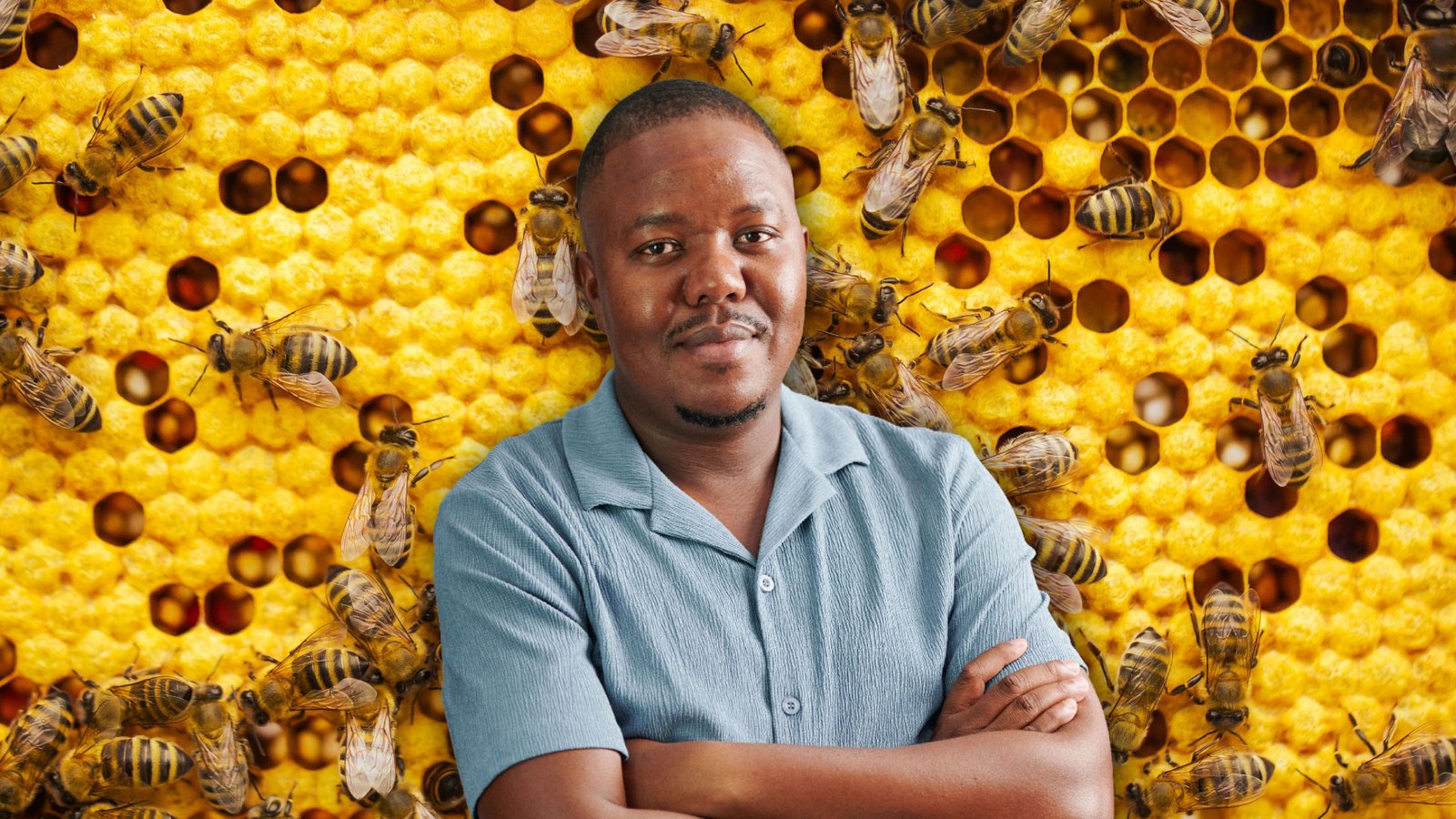
One notable participant in this initiative is Sabelo Khubone, a young sugarcane farmer from KwaZulu-Natal. Confronted with rising costs and increased competition in the sugar market, Sabelo turned to beekeeping to supplement his income. His sugarcane fields, rich in nectar, proved to be an ideal setting for bee colonies.
Having transitioned from a struggling sugarcane farmer to a budding beekeeper, Sabelo now produces premium honey and beeswax. His journey illustrates the impact of support and training; he has expanded into pollination services and honey processing, proving that innovation can thrive within traditional agricultural systems.
“I feel like I’m running a business that I can grow for the first time,” Sabelo says, reflecting on his newfound opportunities.
The Link Between Bees and Agricultural Productivity
The Importance of Bees
Bees play a crucial role in the pollination of crops, making them indispensable to agricultural productivity. Industry forecasts indicate that without proper training for beekeepers, agricultural output will continue to decline. Supporting small-scale beekeeping is vital for safeguarding food systems and enhancing rural incomes.
Despite their importance, beekeeping is too often overlooked in discussions surrounding rural development. A national beekeeping strategy is necessary to recognize the economic and ecological value of this industry, especially as agricultural leaders acknowledge its role in food security.
Addressing Policy Gaps
Although some regulations exist concerning beekeeping in South Africa, these primarily focus on biosecurity measures like disease control and hive registration. There is a notable lack of policy addressing the economic contributions of beekeepers, leading to an urgent need for comprehensive support structures.
Access to extension services, land, processing facilities, and markets remains limited for emerging beekeepers, particularly in rural areas. While NGOs and community organizations are stepping in to provide training and market access, they require stronger support through national policies and funding.
A Call to Action
To truly support small-scale beekeepers and, consequently, South Africa’s agricultural landscape, robust policy frameworks need to be established. This will include investment in training programs, accessible services, and market opportunities catering to the unique needs of small-scale operators.
The success of beekeeping initiatives highlights its potential as a strategic economic asset, vital for both ecosystem health and food security. Addressing the challenges faced by small-scale beekeepers will not only enhance agricultural productivity but also improve rural livelihoods across South Africa.
For more insights into the importance of beekeeping in South Africa, check out Farmers Weekly.
