

South Africa’s Ambitious R450 Billion Transmission Expansion
At the forefront of the continent’s energy challenges, South Africa is embarking on a substantial R450 billion expansion of its electricity transmission grid. This initiative is a crucial part of the country’s national energy reform agenda, aiming to enhance access to electricity and stimulate industrial growth.
The Energy Poverty Crisis in Africa
Despite the prospects of renewable energy sources, over 600 million people in Africa still live without electricity. This stark reality underscores the urgency for investments in infrastructure, especially considering Africa’s vast potential for solar energy, gas, and critical minerals.
Keynote Address from Cyril Ramaphosa
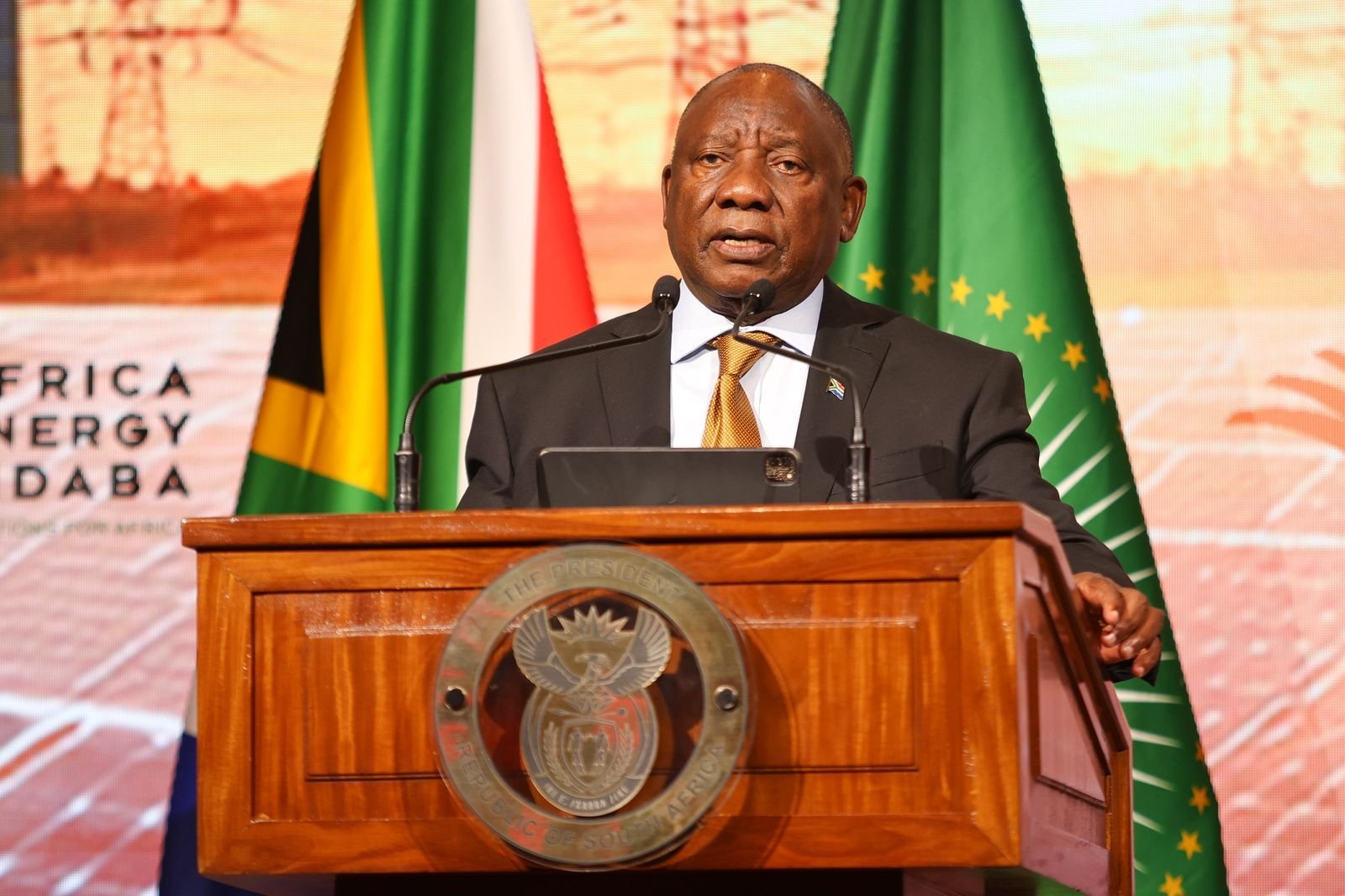
During the recent Africa Energy Indaba in Cape Town, President Cyril Ramaphosa emphasized the importance of accelerated investment and regional integration. He described energy poverty as a key impediment to Africa’s industrialization and economic inclusion, reinforcing the need for urgent energy sector reforms. According to Ramaphosa, electricity is fundamental for all South Africans, with 93% of households currently having access.
African Energy Landscape and Industrial Growth
Ramaphosa reinforced the idea that energy access must tie into Africa’s broader industrial agenda. He argued that the conversation around critical minerals must evolve to include local manufacturing and skills development, promoting an inclusive energy transition.
Regional Integration and Infrastructure Investment
The President spoke on the significance of regional power pools and cross-border interconnectors to improve the efficiency of Africa’s energy resources, including hydropower, solar, and wind technologies. He highlighted the Ten Year Africa Energy Infrastructure Investment Plan, aimed at streamlining fragmented energy initiatives into structured, bankable projects that attract investments.
Challenges of Financing Energy Infrastructure
The requirements for substantial capital investment and stable financing frameworks are critically important for Africa’s energy infrastructure. Public finance plays a vital role, but as Ramaphosa pointed out, collaboration with private capital and international financial institutions is essential for meeting the continent’s infrastructural needs.
Global Energy Market Volatility
Addressing the challenges posed by global energy market volatility, Ramaphosa noted the impact of international conflicts and the stresses they place on energy security in import-dependent African economies. The ongoing geopolitical conflicts have further highlighted the need for diversified and secure energy solutions across the continent.
Call to Action for African Leaders
In closing, Ramaphosa called for a shift from ambition to execution among African governments, financiers, and industry leaders. He stressed the importance of translating strategies into actionable projects that deliver reliable power vital for supporting industrial growth and job creation.
The Africa Energy Indaba serves as a critical platform to foster cooperation, expedite investment, and build resilient energy systems that can propel Africa toward a prosperous future.

