

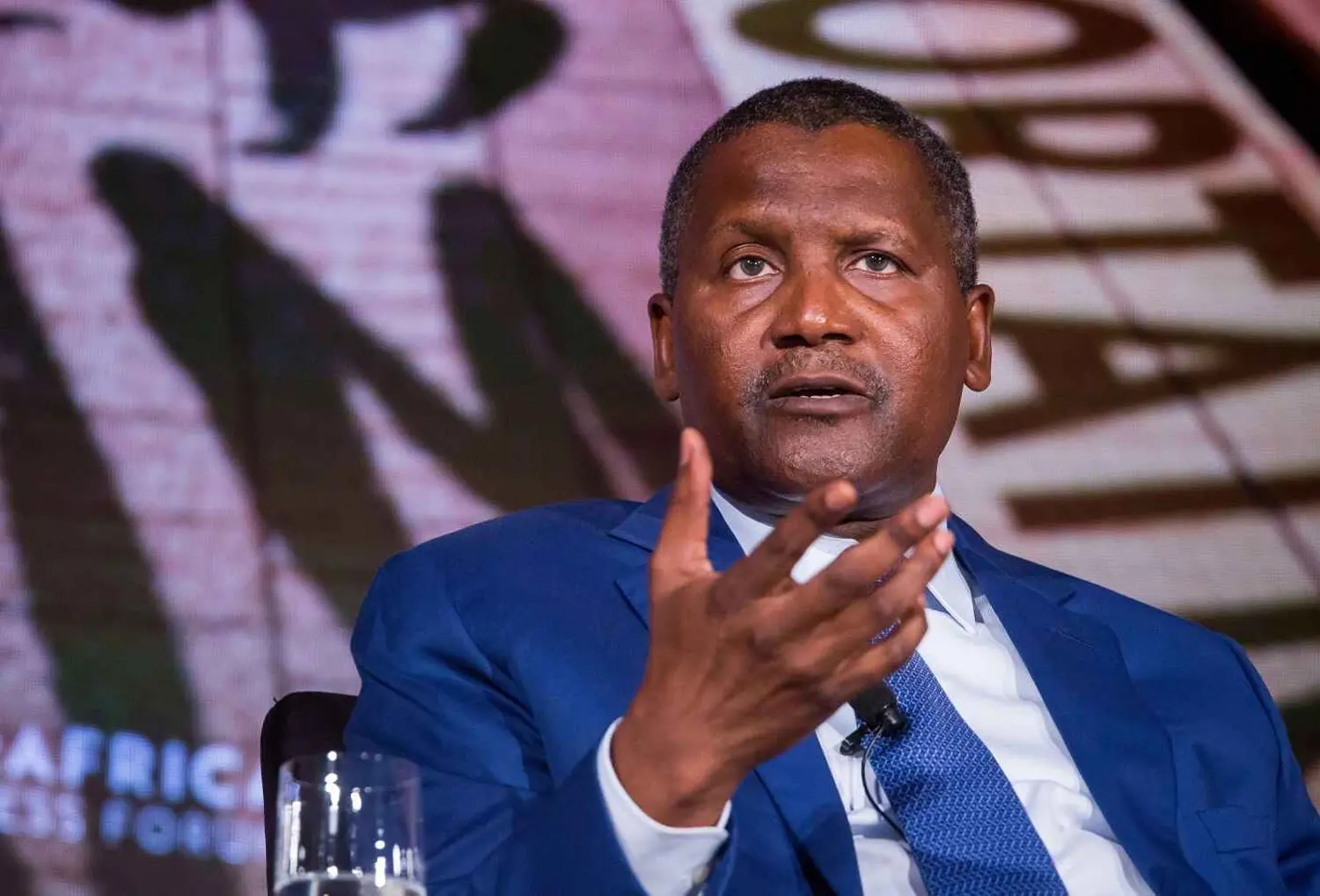
Aliko Dangote: A Model of Interfaith Cooperation in African Business
Aliko Dangote is widely recognized as Africa’s leading industrialist, but his journey to this status was neither swift nor accidental. His background in Northern Nigeria, humble entrepreneurial beginnings in Kano, and a calculated move to Lagos offer valuable insights on how businesses can thrive in diverse societies. The key lessons drawn from his career emphasize disciplined neutrality, merit-based practices, and a mindful approach to power, especially in multi-religious environments.
Early Life and Family Roots
Born in 1957 in Kano, Nigeria—one of West Africa’s oldest commercial hubs—Dangote grew up in a city steeped in a rich trade culture. Kano was a critical point for trans-Saharan trade for centuries, creating a vibrant atmosphere of commerce grounded in trust and cross-cultural exchanges.
Dangote’s family, particularly his maternal grandfather, Alhassan Dantata, played a pivotal role in shaping his entrepreneurial mindset. Dantata was one of the most successful merchants in pre-independence Nigeria, and from a young age, Dangote learned invaluable lessons about trade that transcended ethnic and religious barriers. These early experiences imbued in him values that would later define his business acumen, emphasizing reliability and reputation over identity.
His educational journey combined formal schooling with hands-on apprenticeships in commerce. As a student, he engaged in trading activities, nurturing a keen understanding of negotiation, risks, and profitability. For Dangote, business was more a practical vocation than a theoretical pursuit.
Entrepreneurial Initiatives in Kano
Entering the business world in the late 1970s, Dangote started by trading essential commodities such as sugar, rice, and cement—products consistently in demand due to Nigeria’s growing population. Kano’s well-established merchant infrastructure provided him with the necessary access to markets and legitimacy.
Initially focusing on trading rather than manufacturing, Dangote prioritized bulk purchasing and efficient distribution. His approach relied on building trust with suppliers and consumers, which formed the backbone of his growing reputation as a reputable trader. Yet, as he sought to expand his market share, he faced inevitable challenges tied to distance from major seaports and infrastructure deficiencies.
Strategic Migration to Lagos
In the 1980s, recognizing the limitations of Kano’s market, Dangote made a foundational shift by relocating his business operations to Lagos. This move was transformative; Lagos, as Nigeria’s commercial capital and primary port city, opened doors to international markets and financial resources.
This strategic relocation signaled Dangote’s transition from trader to industrialist. In Lagos, he diversified his operations, ramped up production, and embraced a more modern industrial infrastructure. His major investments in sectors like cement, sugar, flour, and fertilizers have positioned his enterprises as key players within the African market.
Interfaith Neutrality in Corporate Governance
Operating in diverse and multi-religious societies, Dangote’s business model underscores the importance of governance systems that transcend religious and ethnic divisions. In regions where tribal and sectarian affiliations often dictate social interactions, his approach to leadership emphasizes meritocracy and inclusivity.
Dangote Industries Limited stands as a compelling example of this ethos. Over two decades, the group has employed tens of thousands across West, Central, East, and Southern Africa, fostering a workforce that reflects a multitude of religions and ethnicities. Importantly, recruitment and promotion are based on performance, steering clear of identity-based biases.
The operational policies across Dangote’s companies—like Dangote Cement Plc and Dangote Sugar Refinery Plc—highlight a commitment to non-discrimination. Reports reveal that employee selection processes eschew religious criteria, nurturing a culture of transparency and merit-based governance.
Features of Dangote’s Management Approach
-
Faith-Neutral Recruitment: The companies prioritize performance and eliminate biases based on religion or ethnicity.
-
Diverse Workforce: A multi-religious and multicultural staff reflects a corporate culture focused on competence rather than identity.
- Separation of Personal Faith from Corporate Values: Despite being a practicing Muslim, Dangote has ensured that his personal beliefs do not dictate corporate policies or workplace dynamics.
Conclusion
In a landscape often marred by sectarian divisions, Aliko Dangote’s approach to business illustrates how large-scale enterprises can operate as platforms for interfaith coexistence. The principles that govern his corporate strategies serve as instructional models for business leaders aiming for success and stability in religiously pluralistic societies. Rather than mere rhetoric, the efficacy of his model lies in its foundational structures—workforce diversity, equitable governance practices, and the absence of faith-based biases, offering critical lessons for enhancing peace and development.
For further reading on business in diverse environments, explore more on interfaith relations and corporate governance.
