

Revolutionizing Resource Management: African Nations Maximize Economic Benefits
Africa’s wealth of natural resources has long been recognized, but recent shifts in policy underline a critical transformation in how these nations manage their mineral and energy assets. With growing global demand and legislative reforms, African countries are increasingly focusing on maximizing their economic returns from these finite resources.
New Paradigm in Resource Management
Historically, African policymakers have envisioned the formation of a continental body resembling the Organization of Petroleum Exporting Countries (OPEC) to regulate the pricing of natural resources. However, fears surrounding national sovereignty have hindered such initiatives. Today, individual nations are not only creating laws to exert greater control over their resources but also revising existing treaties with foreign firms that have historically siphoned off value.
Leveraging Natural Resources: A Shift in Strategy
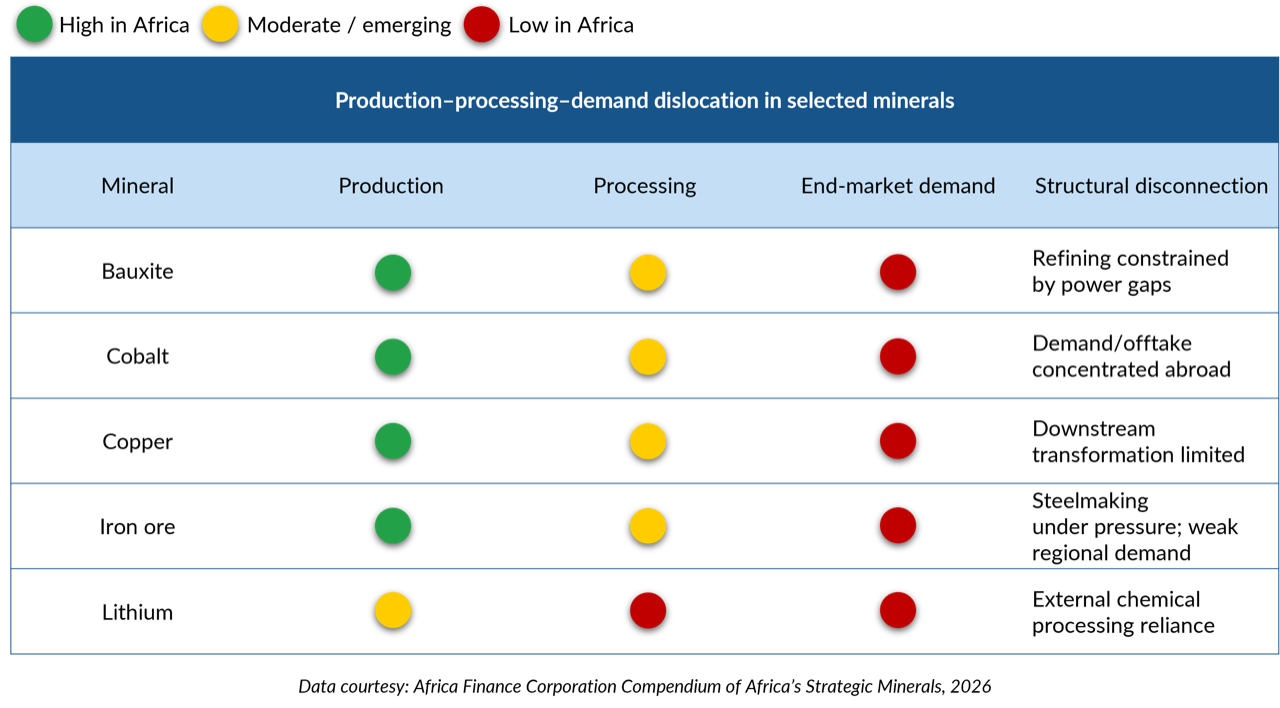
As of 2025, many African countries have introduced national laws aimed at securing better prices for their natural resources. This includes legislation that bans the export of unprocessed minerals and mandates local processing. Countries like Zambia have made strides in this direction, establishing domestic gemstone industries through localized processing initiatives. By shifting the focus towards value addition, these nations are capitalizing on the booming demand for minerals like cobalt, lithium, and copper.
Local Value Chains: The Pathway to Prosperity
Governments are exploring avenues to create local value chains that foster industrial growth. Initiatives like tax credits for startups, skills transfer programs, and robust infrastructure development have become essential to ensure that economic benefits extend beyond raw extraction. This approach not only promotes industrialization but also aids in securing additional financial returns from energy resources, thereby enhancing national wealth.
Regional Cooperation and International Standards
While individual efforts are noteworthy, regional and continental frameworks play a pivotal role in harmonizing policies. The African Continental Free Trade Area allows nations to negotiate from stronger positions, while the Africa Mining Vision and the Extractive Industries Transparency Initiative pave the way for better governance in resource management.
Focus on Local Content in Energy Agreements
The energy sector is experiencing a significant reform as African nations push for new agreements with foreign buyers that emphasize local content. National laws now require companies to employ local workers and source materials from local suppliers. This shift aims to ensure that the wealth generated from resources directly benefits local economies.
Case Studies: Transformational Changes in Zambia and Nigeria
Zambia serves as an example of how effective legislation can reshape resource management. By implementing the Local Content Statutory Instrument of 2025, Zambia has encouraged domestic processing of amethyst, leading to the rise of local companies that mine and manufacture jewelry.
In contrast, Nigeria has initiated a series of reforms since 2024 to halt the export of raw mineral resources. The 30% Value Addition Bill mandates that a significant portion of extracted resources be processed locally, while the government facilitates artisanal mining by organizing miners into cooperatives to meet these processing standards.
Beneficiation: The Way Forward
The transition from merely exporting raw materials to local processing has become a centerpiece of Africa’s resource reform agenda. South Africa stands at the forefront of these efforts with legislation like the Mineral and Petroleum Resources Development Act that governs both mining and energy sectors. Nigeria and Kenya also introduce regulations aimed at maximizing local participation in energy projects, ensuring that a substantial percentage of goods and services are sourced domestically.
Conclusion: Embracing a Future of Shared Prosperity
The future of African nations lies in the implementation of effective resource governance strategies that align with the Africa Mining Vision. By adopting these innovative legislative frameworks, countries can secure substantial economic benefits from their natural resources, fostering societal growth and reducing poverty.
Key Takeaways
- African nations are adopting new legislation to enhance their economic gains from mineral and energy resources.
- Beneficiation plays a crucial role in adding value to minerals before export, marking a significant shift in resource management.
- Local value-added industries are generating substantial financial benefits, thereby driving economic development across the continent.
[Explore more about Africa’s economic potential at www.inonafrica.com.]
