

Understanding Africa’s Position in Global Crises
Published

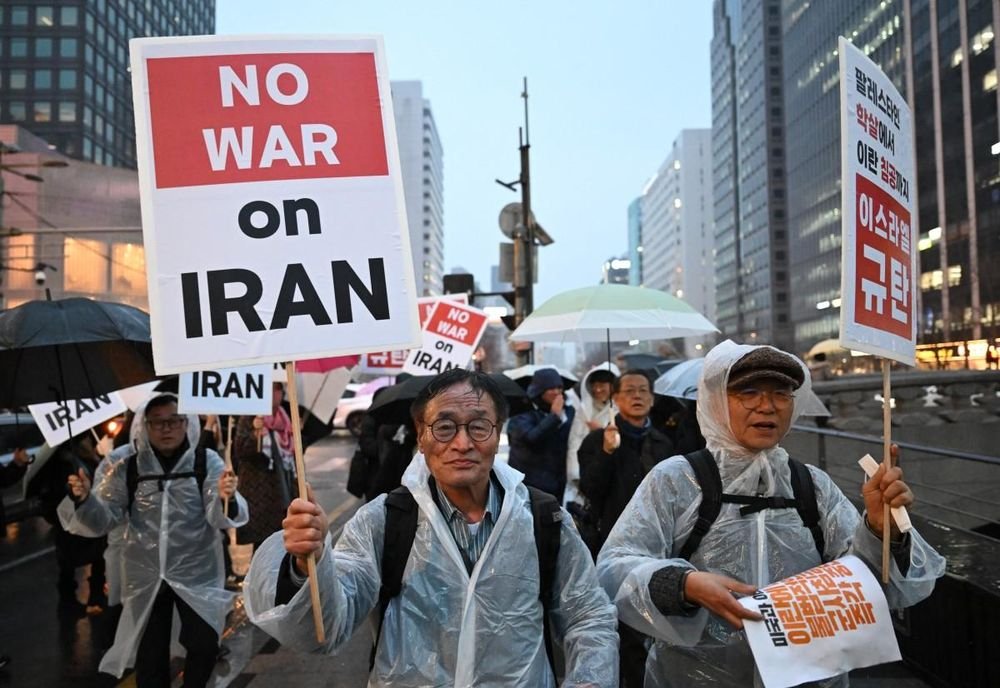
Africa finds itself at a critical junction as geopolitical conflicts—such as the ongoing war in Iran—reshape energy markets and weaponize crises for profit. The war has not only disrupted global oil supplies but has also created a cascade of opportunities for developed nations and corporations ready to capitalize on turmoil.
The conflict has exacerbated the consequences already seen during the war in Ukraine, with African economies bearing the brunt of rising import bills, currency instability, and soaring inflation. While developed nations leverage their resources to buffer against these shocks, African countries often find themselves as passive observers, absorbing the adverse impacts of global crises.
The higher energy prices resulting from these geopolitical struggles predominantly benefit oil-producing nations, but the vast majority of Africa faces escalating costs with minimal gain, highlighting an inequitable dynamic in the global economic landscape.
Geopolitical analyst Simon Watkins notes how conflicts can serve as catapults for specific nations and corporations poised to benefit. In his article, Who Really Benefits from the Iran Conflict? Follow the Oil, he reveals how escalating oil prices funnel significant profits to certain producers, primarily those in Iran, the USA, and Russia. Despite ongoing disruptions, these nations continue to profit immensely.
While some African oil-exporting countries like Algeria, Angola, and Libya may see a rise in revenues due to higher prices, the broader African landscape is characterized by the continued struggle with inflation and resource dependency. For example, Nigeria’s oil output lags behind its OPEC quota, hampering its ability to capitalize on surging crude prices.
African leaders, often entangled in external geopolitical pressures, must navigate complex relationships with superpowers while risking their economic stability. Rather than remaining passive participants in the global order, African states should take proactive measures to better integrate and fortify their economies against the fallout from such international crises.
Ngozi Okonjo-Iweala, director-general of the World Trade Organization, emphasizes the duality of crisis and opportunity, arguing that Africa must harness the present moment to reshape its economic future. Her insights underline the need for African nations to pivot from passive observation to an active role in global affairs.
In response to systemic inequalities, African nations must urgently collaborate to build regional economic frameworks. By leveraging their unique strengths—Nigeria’s oil prowess, Egypt’s strategic Suez Canal position, South Africa’s financial sophistication, and Morocco’s industrial capabilities—Africa can create a unified front to navigate crises more effectively.
Such synergy will not only enhance collective resilience but also cultivate bargaining power and inclusive growth. As has been evident, those who adapt to crises with a strategic vision tend to emerge with greater strength and influence in the global marketplace.
Ultimately, the lesson for Africa is clear: in a world where crises are frequently weaponized for profit, the continent must refuse to take sides in distant power struggles and instead focus on harnessing these challenges for domestic transformation. Adopting a robust, united economic stance will position Africa not merely as a victim of external shocks but as a potent actor shaping its own destiny in an increasingly complex global landscape.
