

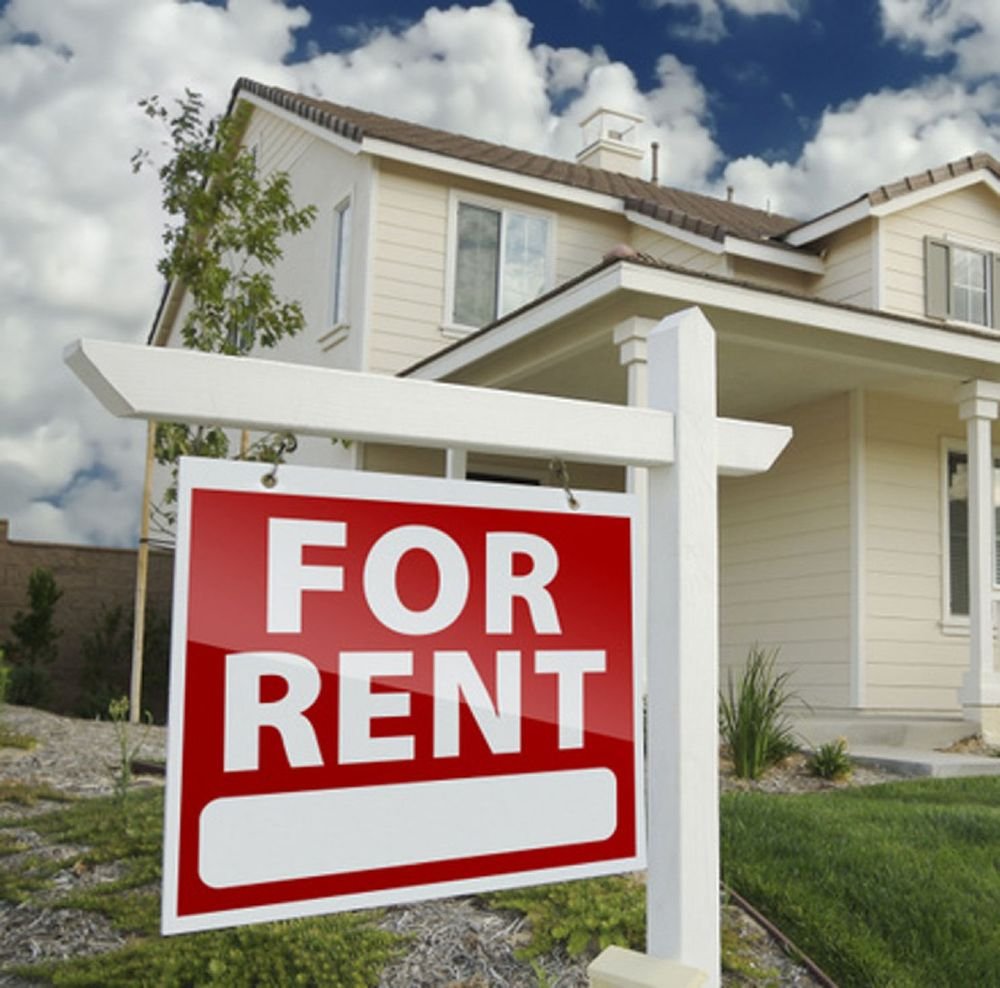
The recent adjustments in the South African 2026 Budget are set to reshape the income tax landscape for property owners, especially impacting foreign investors earning rental income. With the South African Revenue Service (SARS) classifying rental income from properties such as holiday homes as South African-sourced, international investors are urged to take note of these crucial developments.
Finance Minister Enoch Godongwana, during the February unveiling of the 2026 Budget, proposed key tax adjustments aimed at alleviating financial pressures on households and businesses alike. This includes aligning personal income tax brackets and rebates with inflation.
Impact of Tax Threshold Adjustments on Foreign Investors
The Budget announcement informs foreign nationals about pivotal changes that directly affect their tax liabilities. Notably, the tax exemption threshold for individuals below the age of 65 has been raised from R95,750 to R99,000. This means any individual earning below R99,000 annually is exempt from personal income tax.
For property co-owners, especially spouses, the rental income tax is effectively halved between both parties, creating a combined tax-free threshold of R198,000 per year. Such measures highlight the supportive approach to encourage investment in the local real estate market.
Understanding Taxation on Rental Income
It’s essential for property owners to understand that they are taxed on their rental profits rather than their total rental income. Deductions, which include bond interest, municipal charges, levies, and maintenance expenses, should be accurately accounted for to determine the net profit subjected to tax.
Additionally, foreign investors must ensure that they are taxed solely on South African-sourced income. Proper registration with SARS as a non-resident taxpayer and maintaining a non-resident bank account are critical steps to avoid unintended international tax obligations.
Capital Gains Tax on Property Sales
Foreign property sellers must acknowledge that capital gains tax (CGT) applies to any profit made from property sales in South Africa. The recent Budget has amplified the annual capital gains exclusion from R40,000 to R50,000, allowing sellers to earn up to R297,500 in profit without incurring tax, provided they have no additional taxable income.
If a property is co-owned, the CGT exclusion doubles, making it R297,500 for each spouse. Furthermore, foreign property owners can deduct expenses incurred during property acquisition and improvement, which includes agent commissions and legal fees, thereby lowering the taxable profit.
Primary Residence Exclusion Caution
The Budget has also increased the primary residence capital gains exclusion from R2 million to R3 million. Although there are instances in which non-resident foreign nationals may claim this exemption, it requires careful planning to avoid complications with tax status.
It’s crucial to note that, while both spouses are entitled to a tax-free profit of R297,500 on property sales, the total R3 million CGT exemption must be shared between them.
VAT Registration Threshold Increase
Another significant change is the VAT registration threshold’s increase from R1 million to R2.3 million. For those previously operating near the R1 million limit, this may relieve them of VAT registration obligations effective April 1, 2026, easing administrative burdens and compliance costs.
However, for foreign investors, not being VAT-registered means they cannot claim input VAT on property-related costs, which can lead to substantial unrecoverable expenses in commercial transactions.
Compliance Obligations Despite Relief
Despite the relief provided in the Budget, foreign property owners must remain aware of their compliance responsibilities. It’s a common misconception that having no tax liability means no filing obligation exists. Even if rental income falls below R99,000 or capital gains are excluded, foreign property owners may still need to register as taxpayers and submit annual income tax returns.
Rental income is classified differently than remuneration from a registered employer, often classifying property owners as provisional taxpayers. If rental income exceeds R30,000 for the tax year, two provisional tax returns must be filed, along with an annual income tax return, which could lead to penalties for non-compliance.
Conclusion: Balancing Relief with Responsibility
The South African 2026 Budget presents notable tax relief for foreign property investors, albeit with ongoing strict compliance requirements. Foreign nationals investing in South Africa must ensure they accurately manage their tax structure, remain compliant with local regulations, and proactively address their capital gains exposure.
To stay informed of evolving regulations, a review of one’s South African tax position, including provisional tax requirements and VAT considerations, is essential. Lastly, the South African Reserve Bank has also released Exchange Control draft circulars following the Budget, streamlining cross-border payment frameworks. For details, visit the SARB website before March 17 to submit comments.
