

African Nations Should Lead in Benefiting from Critical Mineral Wealth
A Call for Sustainable Development in Africa
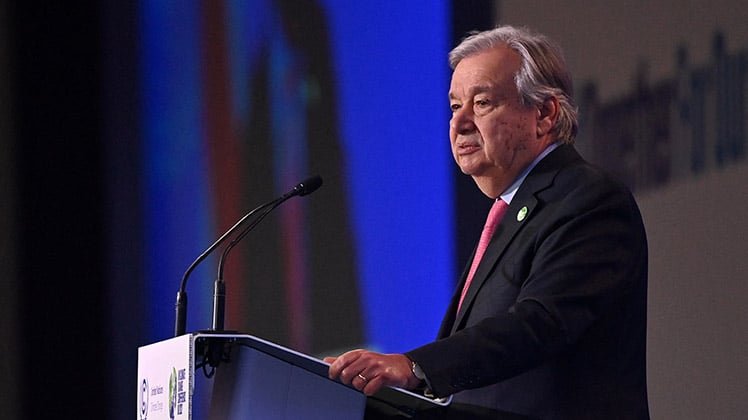
The United Nations Secretary-General, António Guterres, has emphasized the importance of African countries reaping the full benefits of their vast critical mineral resources. He has insisted that the age of exploitation and inequitable value chains must come to a definitive close. In a recent post on X, Guterres highlighted the urgent need for fair and sustainable industrial policies that empower African nations to capitalize on their natural wealth.
Fair and Sustainable Value Chains
In his message, Guterres stated, “We must ensure African countries benefit first & fully from their critical minerals through fair, sustainable value chains & manufacturing.” He sharply condemned the ongoing plundering, reinforcing that "the people of Africa must benefit from the resources of Africa." This call to action aligns with the increasing global competition for essential minerals including lithium, cobalt, and rare earth elements, which are critical for clean energy technologies and modern manufacturing processes.
The Historical Context of Resource Extraction
Despite holding a significant share of the world’s critical minerals, African nations frequently report receiving minimal returns from resource extraction. The prevailing export systems prioritize raw material extraction over local processing and value addition. Guterres’s remarks reflect an ongoing discussion about the pressing need for reforms that would enable greater local refinement and manufacturing capabilities.
The Role of International Partnerships
Guterres has previously raised these concerns during high-level engagements with the African Union, where he called on global partners to support African industrialization initiatives. He asserted that it’s crucial for mineral-rich African nations to climb the value chain through robust manufacturing and sustainable development strategies.
Economic Justice and Local Empowerment
At the United Nations Office in Geneva, Guterres reiterated the theme of justice in mineral systems, underlining that it is not merely an economic concern but also a matter of equity. African countries deserve greater control over their resources, particularly those that are essential for the global green energy transition.
Strengthening Local Industries
Guterres advocates that nations housing these minerals should benefit “first and fully,” which entails creating jobs and advancing local industries. Analysts observing the situation have noted that Guterres’s statements resonate with a growing international acknowledgment of Africa’s pivotal role in future energy and technology supply chains. There is an increasing call for reforms that not only promote local refining and processing but also foster a shift away from a reliance on raw exports.
The Significance of Long-Term Development
The Secretary-General’s message is set to resonate strongly with African policymakers. These leaders have persistently advocated for equitable trade and investment partnerships that prioritize long-term growth and development rather than extractive models. This shift is vital in ensuring that Africa can fully harness its mineral wealth for societal advancement.
Conclusion
António Guterres’s assertive call to action serves as a reminder that the future of Africa’s mineral wealth lies in sustainable development and industrial empowerment. Emphasizing fair and equitable frameworks for investment can not only help local economies but also align with global demands for cleaner technologies and ethical resource management.
For more insights on sustainable mineral practices, explore this resource.
