

The Future of Renewable Energy Investment in Africa Amidst Geopolitical Tensions
Middle Eastern Interest in Africa’s Renewable Energy Sector
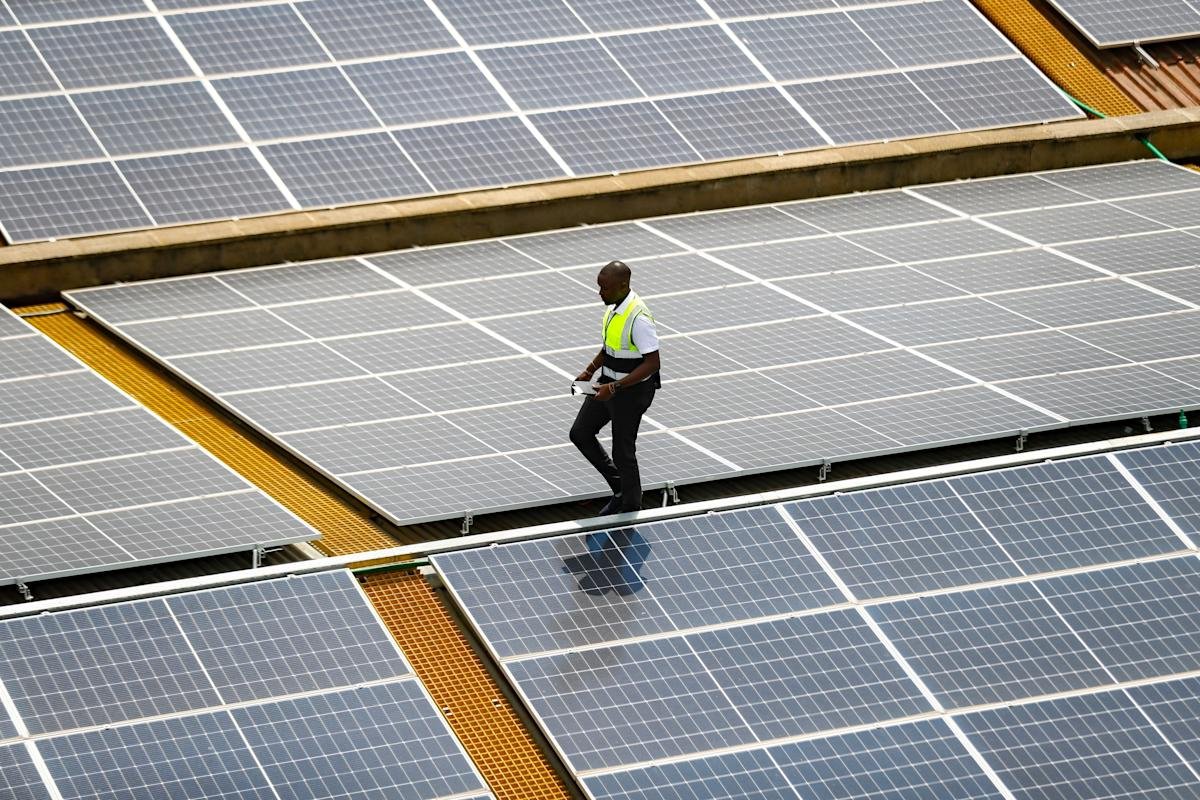
Despite the ongoing geopolitical tensions stemming from the Iran war, Middle Eastern sovereign wealth funds and state-backed companies are poised to continue their investment in Africa’s renewable energy sector. Analysts suggest that the compelling long-term economic and strategic factors driving this funding remain intact, making a pullback unlikely.
Rising Demand for Clean Energy
Wealth derived from the Gulf region’s oil and gas resources is increasingly pouring into Africa, motivated by the continent’s surging electricity demand, rapid urbanization, and its significant role in global supply chains for critical minerals. As the need for clean energy options rises, these investments are seen as both a risk management strategy and a response to global sustainability pressures.
Significant Investment Figures
A recent report by the Clean Air Task Force highlighted that over $101.9 billion has been directed towards Africa’s renewable energy industry by Gulf countries as of the end of 2024. This influx primarily comes from nations such as the United Arab Emirates, Saudi Arabia, Qatar, Kuwait, and Bahrain. While investment is concentrated in North Africa, Southern Africa, and parts of East Africa, regions like West Africa are still catching up.
Long-Term Opportunities in Africa’s Energy Landscape
Matthew Tilleard, CEO of CrossBoundary Energy, a Nairobi-based renewable energy development firm, emphasizes that Africa provides unique opportunities for growth in energy demand. Though short-term obstacles may cause delays in specific transactions, the long-term infrastructure prospects necessitate a forward-looking understanding of risk and value.
Addressing Africa’s Energy Gap
With around 600 million people in Africa lacking reliable electricity access, and many more facing inconsistent supply, there is a growing reliance on private investors to finance solar, wind, and hybrid power projects. This gap presents a prime avenue for Gulf investors looking to diversify beyond traditional fossil fuels.
Strategic Returns from Renewable Investments
Louw Nelson, a political analyst at Oxford Economics, notes that Gulf investments are primarily aimed at fulfilling national interests and achieving strategic returns. With extensive long-term energy projects already in development, disruptions from current events are not anticipated to deter these investments.
The Shift Towards Sustainable Energy
Investments in renewable energy are part of broader strategies among Middle Eastern nations to shift their economies away from fossil fuels. Joab Okanda, an energy and development analyst, points out that the ongoing disruptions in oil and gas shipments due to the Iran conflict could bolster the case for renewable energy as a more stable option, showcasing the vulnerabilities of traditional supply routes.
Diversifying Energy Portfolios
State-owned companies in the Gulf, equipped with substantial capital, recognize that the global energy landscape is evolving. Investing in renewable energy not only allows for a diversified portfolio but also aligns them with future energy systems. This shift is crucial as Africa’s energy sector is increasingly influenced by global commodity demands, particularly for minerals like cobalt and gold used in high-tech products.
Strategic Access Beyond Energy Generation
Tilleard further highlights that renewable power projects can offer strategic access to multiple industries beyond energy production. For instance, power plants supplying minerals or large industrial operations can position investors favorably within mineral supply chains essential for modern technologies.
Navigating Investment Risks
However, potential investors must consider risks that could affect their decisions, such as currency fluctuation and policy uncertainty, especially in regions like West Africa. Okanda stresses that simply generating power isn’t enough; efficient transmission systems and structured electricity markets are imperative for the sustainable success of these investments.
In conclusion, as the global energy landscape evolves, the commitment of Middle Eastern investors to Africa’s renewable energy sector reflects a blend of strategic foresight and a response to increasing demand for sustainable energy solutions. These investments not only address significant energy gaps but also set the stage for transformative economic growth in the region.
