

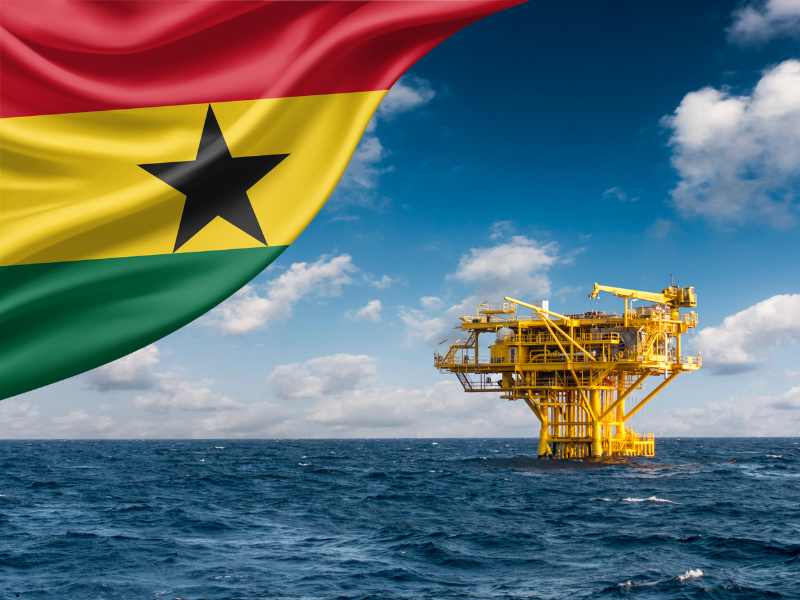
Ghana Boycotts Africa Energies Summit: A Stand for African Voices
Ghana’s decision to boycott the upcoming Africa Energies Summit in London this May underscores a growing frustration within the African oil and gas industry regarding discrimination and exclusion. This pivotal move highlights the urgent need for a more inclusive approach to discussions surrounding the continent’s energy future.
Rising Discontent in the African Energy Sector
The Energy Chamber Ghana has urged local energy authorities to reconsider their participation in the summit due to serious concerns about discriminatory hiring practices and the marginalization of African professionals. Ghana’s withdrawal is a powerful message: for meaningful dialogue regarding Africa’s energy future, African institutions and companies must take a leading role.
This decision aligns with similar actions taken by other African stakeholders in recent months. Mozambique previously announced its exclusion from the summit in March 2026, while petroleum ministers from the African Petroleum Producers Organization also directed their efforts to boycott the event. Ghana’s stance is about more than just one occasion; it represents a commitment to equal partnership in discussions about African resources.
A Call for Inclusive Representation
The announcement from the Energy Chamber Ghana follows thorough consultations within the country’s petroleum, gas, and broader energy ecosystem. The Chamber advocates for unity among Ghanaian institutions, policymakers, engineers, and investors until corrective measures are demonstrated by the summit organizers, Frontier Energy Network.
“Ghana is not a spectator in Africa’s energy story,” the Chamber stated. It echoed the sentiment that Africa should not be treated merely as a marketplace for attendance, where Africans are sidelined in significant discussion.
Advocating for African Autonomy
“Africa’s energy future cannot be dictated from outside the continent while African companies, governments, and investors are excluded from the conversation,” declared NJ Ayuk, Executive Chairman of the African Energy Chamber (AEC). Ghana’s boycott aligns with a larger industry movement advocating for African-led dialogue and development.
The nation stands at a crucial juncture, aspiring to stabilize oil production, monetize gas, and drive investment toward infrastructure that promotes long-term industrial growth.
Development and Investment in Ghana’s Energy Sector
With ongoing efforts to enhance local capabilities and attract investments, Ghana is witnessing significant developments. Approximately $3.5 billion is being invested in infill drilling and reservoir management. Notable expansions, including the Jubilee and TEN licenses extended to 2040, showcase Ghana’s proactive approach to enhance its resource outlook.
Moreover, advancements at the Second Gas Processing Plant and the 1.2 GW Thermal Power Plant are pivotal in underpinning Ghana’s gas strategy. Such initiatives signify a market poised for growth and eager to unlock additional value from its resources.
The Need for Partnership and Collaboration
Despite considerable progress, the ongoing exclusion of African professionals from important industry conversations by international conference organizers risks hindering the potential for collaboration and growth. Platforms should support African nations’ goals rather than erect barriers to participation.
Energy Chamber Ghana highlighted valid concerns surrounding Frontier’s discriminatory hiring practices, underscoring that Africa must not merely be invited to discuss itself. Local content should resonate through actions, not just conference themes.
Conclusion: Ghana’s Stand for African Development
Ghana’s decision to boycott the Africa Energies Summit is not just a protest against a single event; it symbolizes a broader movement advocating for African-led development, dialogue, and investment strategies. For the continent to fully harness its oil, gas, and energy resources, it is essential to critically assess who controls its narrative and partnerships.
For those interested in learning more about Ghana’s energy initiatives, visit Energy Chamber Ghana and African Energy Chamber.
By championing this cause, Ghana is not only asserting its place on the energy stage but also advocating for a more equitable and representative future for the entire continent.
