

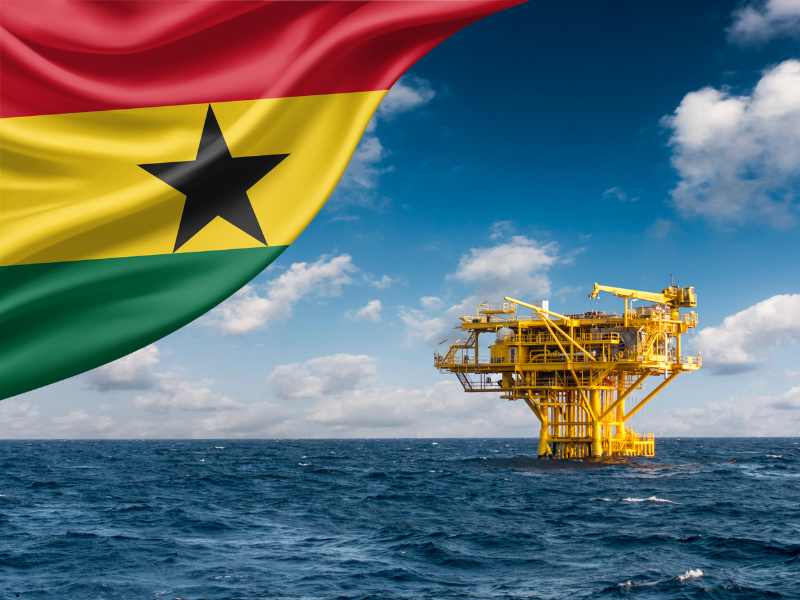
Ghana Boycotts Africa Energies Summit, Advocating for African Representation in the Energy Sector
Ghana has taken a decisive step by announcing a boycott of the upcoming Africa Energies Summit in London this May. This significant move highlights rising concerns within the African oil and gas sector regarding discrimination and the marginalization of African voices during events that claim to represent the continent’s energy future.
Growing Frustration in Africa’s Energy Sector
The Energy Chamber Ghana has called on the nation’s energy authorities to reconsider their participation in the summit, voicing serious concerns about discriminatory hiring practices and the exclusion of African professionals from crucial discussions. This decision aligns with a broader shift across the sector; other African stakeholders, including Mozambique and the African Petroleum Producers Organization, have also withdrawn from the summit, reflecting a growing insistence on inclusive participation.
Reasserting African Agency in Energy Conversations
Ghana’s boycott is not just about this specific event; it underscores a fundamental principle of representation. The message is clear: African countries must be treated as equal partners in discussions about their own resources. Consultations among stakeholders in Ghana’s petroleum and broader energy ecosystem have led to this strong stance, with the Chamber urging local institutions and policymakers to adopt similar measures until substantial changes are made by the summit organizers, Frontier Energy Network.
“We are not merely spectators in Africa’s energy story,” stated Joshua B. Narh, Executive Chairman of Energy Chamber Ghana. He emphasized the need for platforms representing Africa to reflect the voices and contributions of its people, insisting that genuine participation goes beyond mere attendance.
Ghana’s Energy Landscape: Opportunities and Challenges
This boycott comes during a pivotal period for Ghana’s energy sector. The country aims to stabilize oil production, monetize gas, and shift capital towards essential infrastructure to support long-term industrial growth. With approximately $3.5 billion earmarked for infill drilling and reservoir management, Ghana is promoting African-led investment and development. Initiatives such as the expansion of the Jubilee and TEN licenses to 2040, and ongoing advancements in the Second Gas Processing Plant and the 1.2 GW Thermal Power Plant, signify a market poised for growth.
The Risks of Exclusion in Global Energy Dialogues
Despite these advancements, the exclusion of African professionals at international events risks undermining the very partnerships that are vital for growth in the sector. As many African nations strive to attract investment and bolster local capabilities, industry platforms should cultivate these objectives rather than create barriers. The Energy Chamber Ghana has raised valid concerns about Frontier’s exclusionary hiring practices, emphasizing that genuine local content should be evident in the operational procedures of conference organizers.
“Africa’s energy sector cannot accept a future where conferences designed for African participation exclude African professionals from meaningful roles,” added Narh.
Conclusion: Advocating for African-Led Development
Ghana’s decision to boycott the Africa Energies Summit represents a broader movement advocating for African-led development and dialogue in the energy sector. For Africa to effectively harness its oil, gas, and energy resources, it must not only control its narratives and platforms but also ensure that African voices are integral to discussions that shape the continent’s future.
This boycott is an important reminder that the narrative of Africa’s energy future must be crafted by Africans themselves, ensuring that all stakeholders have an equal say in the journey ahead.
Learn more about Africa’s energy landscape and its challenges and discover the importance of local involvement in achieving sustainable growth.
