

Trump’s Shifting Stance on Iran: A Dramatic Diplomatic Dance
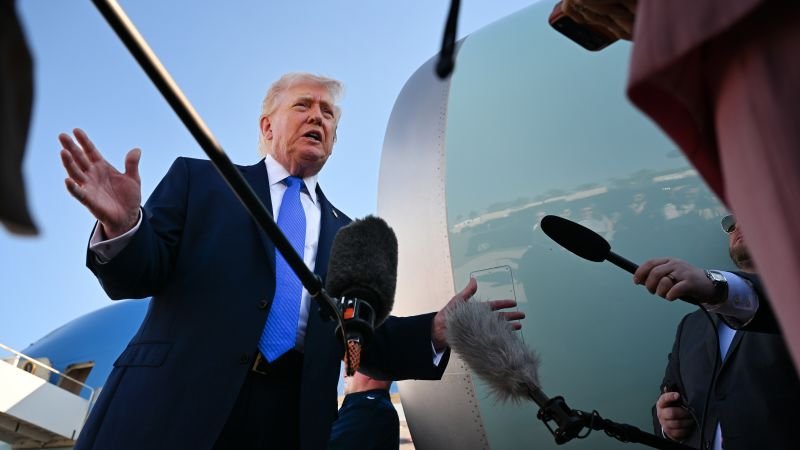
As President Donald Trump concluded his trip to Washington last week en route to Florida, discussions around the ongoing conflict with Iran seemed far removed from his immediate concerns. On the White House lawn, he firmly stated, “You don’t do a ceasefire when you’re literally obliterating the other side,” indicating a hardened stance against Iran. However, just three days later, his tone shifted dramatically during a rally in Memphis, Tennessee, where he proclaimed that “they want to settle, and we’re going to get it done.”
A Sudden Pivot in Diplomacy
This abrupt change in narrative came after a series of tense threats from the President aimed at Iran, including a warning to strike their power facilities if the crucial Strait of Hormuz was not reopened within 48 hours. Following these threats, the President suggested that peace talks with Iran were progressing, raising eyebrows within diplomatic circles.
Reports indicate that various countries, including Pakistan, Turkey, Egypt, and Oman, are stepping in to mediate discussions between the US and Iran. Vice President JD Vance may participate in these talks, further highlighting the escalating diplomatic engagements.
Concerns from Regional Allies
The U.S. shift toward diplomacy followed urgent warnings from Gulf allies regarding the potential fallout of targeting civilian infrastructure in Iran. The response on Wall Street was positive, with trading rallying upon the announcement of peace talks, which also led to a drop in crude oil prices—an essential factor for the current U.S. administration.
However, skepticism remains over the true nature of these discussions, as Trump has declined to provide specific details about the Iranian officials involved. While Tehran has denied the existence of any talks, Congressional aides noted that there were back-and-forth communications hinting at negotiation possibilities.
The Proposal Landscape
Several reports highlight that the U.S. has shared a comprehensive 15-point proposal with Iran via Pakistani intermediaries. The specifics of this proposal remain uncertain; some officials believe it mirrors previous demands made during negotiations last year. However, skepticism exists regarding whether Iran could feasibly agree to several terms, particularly those related to diminishing its military capabilities.
Unraveling the Leadership Dynamics
As the negotiations unfold, uncertainty pervades the Iranian leadership landscape. The health of the new Supreme Leader, Mojtaba Khamenei, raises questions about the reliability of the Iranian negotiating team. Iran’s Foreign Minister Abbas Araghchi is reportedly engaged with Omani officials relating to the negotiations, although it remains unclear if he is the official responsible for handling communication with the U.S.
A New Chapter?
Despite his previous dismissals of Iran as a reliable negotiating partner, Trump expressed optimism regarding the ongoing talks. “You have to understand, my whole life has been a negotiation,” he told a crowd, suggesting that the current diplomatic dialogue might yield more fruitful results than those of the past.
The situation, however, continues to be fluid, with varying interpretations of the extent and sincerity of the discussions. U.S. officials stress the need for confidentiality, urging that details should only come through formal announcements by the White House.
Conclusion
As diplomatic efforts intensify, the international community watches closely. The outcome of these discussions has the potential to reshape the geopolitical landscape in the Middle East. With various nations involved as mediators, the stakes are high, and both Iran and the U.S. face pressures that could either lead to a resolution or escalate tensions further.
For more updates on the ongoing diplomatic developments between the U.S. and Iran, visit CNN’s latest coverage.
