

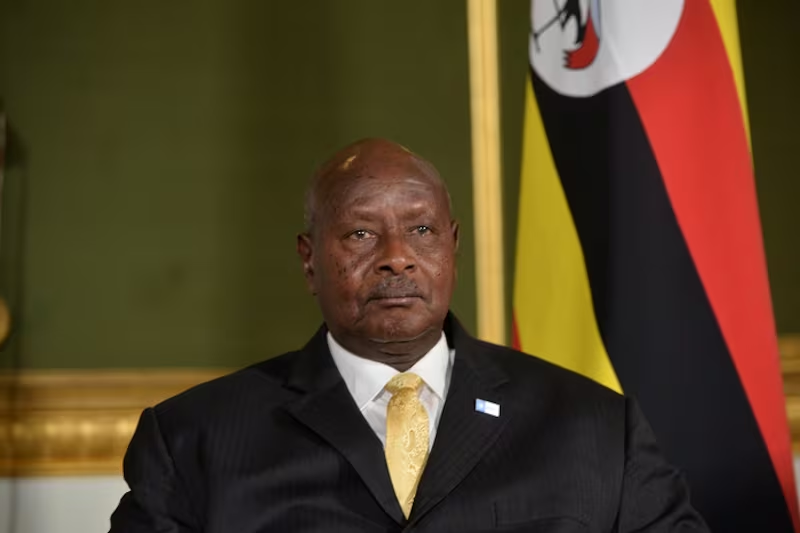
The Evolution of Yoweri Museveni: From Liberator to Long-Reigning Leader
Introduction
In the 1980s, President Yoweri Museveni was seen as a beacon of hope for Uganda and a symbol of a new breed of African leadership. Western nations and many African observers praised him alongside notable figures like Paul Kagame and Meles Zenawi. Museveni’s rise to power was marked by his role as a soldier who fought against chaotic regimes, promising liberation and stability, but decades later, his legacy raises fundamental questions about how the liberator became the entrenched strongman.
The Path to Power: A Revolutionary’s Journey
Museveni’s ascent to power was shaped by a backdrop of violence and exile, which established his initial credibility. In the early 70s, he organized guerrilla forces against Idi Amin and faced significant challenges, including poorly supplied campaigns. With support from regional allies like Tanzanian President Julius Nyerere, Museveni regrouped and eventually led his forces—the National Resistance Army (NRA)—to victory in 1986.
Promises of Change
His early rhetoric resonated with the plight of many Ugandans, emphasizing democratic renewal and criticizing the danger of prolonged leadership. In his writings, such as “What is Africa’s Problem,” he framed his mission as one of political transformation. However, as time revealed, his presidency diverged sharply from these initial promises.
The Politics of Overstay: From Promise to Power
Erosion of Democratic Institutions
Despite his initial commitment to democracy, Museveni’s governance has increasingly undermined the very institutions meant to facilitate political competition and civil liberties. Changes in the Ugandan Constitution, such as the removal of presidential term limits, alongside tactics to intimidate opposition voices, signal a troubling shift towards authoritarian rule.
Mechanisms of Control
This transformation has manifested through both legal frameworks and coercive practices. Opposition leaders have faced harassment, and press freedoms have been significantly curtailed. These actions align with a broader pattern seen in various revolutionary leaders who come to view their leadership as essential to the revolutionary mission, thus rationalizing their grip on power.
The Impact on Uganda
The implications of Museveni’s prolonged rule are clear. Reduced freedom of expression hampers the fight against corruption and social mobilization, while political opposition exists under constant threat. International partners once supportive of Museveni must now navigate the delicate balance between ensuring security and advocating for human rights.
Analyzing Museveni’s Legacy
Museveni’s mixed record includes infrastructure development and active regional diplomacy, but these achievements coexist with an expanding executive power and diminishing civic freedoms. As he reflects on his tenure, observers will ultimately judge whether his leadership fostered genuine democratic institutions or solidified a personal monopoly on power.
The Irony of Liberation
While once an advocate against leaders who cling to power, Museveni has become a figurehead of this very tendency. His initial ideals of accountability and democratic transition have largely been abandoned, leading to a political environment marked by patronage and suppressed dissent.
Conclusion: The Contested Legacy of Liberation
Uganda’s narrative is not simply about a leader growing old in power but represents the tragic betrayal of revolutionary ideals. Museveni’s journey from liberator to long-serving autocrat offers vital lessons on how the quest for power can overshadow the aspirations of a nation, leading to profound disillusionment among the populace.
The overarching question remains: Was the liberation intended for the many or the few? As Uganda grapples with its history and future, the contest over Museveni’s legacy continues, posing significant implications for the nation’s political landscape moving forward.
For further insights into political leadership and its implications across Africa, explore publications on African Governance and Democracy Initiatives.
Disclaimer
The views expressed in this article do not necessarily reflect the opinions of the publishing entity.
