

Nigeria’s Banking Sector Recapitalisation: A Boost in Foreign Investment
Overview of Recent Developments
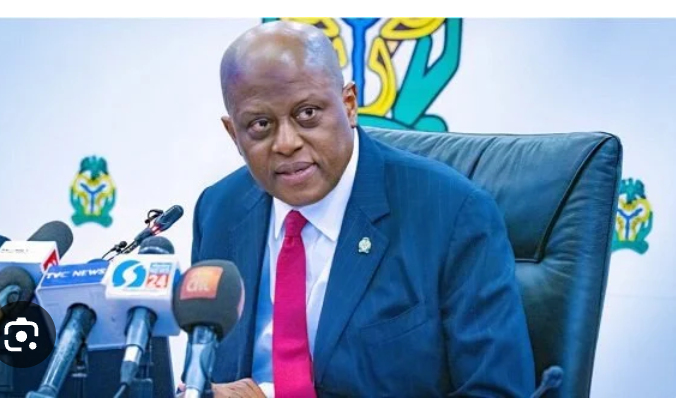
In a significant announcement at the Africa Capital Forum in London, Olayemi Cardoso, the Governor of the Central Bank of Nigeria (CBN), shared that foreign investors contributed 28% of the funds raised during Nigeria’s ongoing banking sector recapitalisation. This event took place alongside President Bola Ahmed Tinubu’s state visit to the UK.
Foreign Investment as a Confidence Indicator
Mr. Cardoso emphasized that the influx of foreign capital indicates a renewed global confidence in Nigeria’s financial system and its economic reforms. According to the CBN, over 30 banks have successfully met the new minimum capital requirements set under the recapitalisation programme, while verification processes for other institutions continue.
“About 28% of investment in the recapitalisation came from foreign sources,” Cardoso stated. This influx, he noted, is a testament to the strengthening trust in Nigeria’s reform agenda.
Strengthening the Financial System
The CBN governor highlighted that recent policy measures implemented by the CBN have substantially bolstered the financial system’s resilience. These measures also enhance the system’s capacity to endure external shocks. For instance, reforms in the foreign exchange market have improved transparency and liquidity, facilitating operations for both investors and businesses.
Commitment to Policy Stability
Emphasising the importance of a predictable policy environment, Cardoso pointed out that the CBN is dedicated to minimizing discretionary decisions to restore institutional credibility.
“These efforts are crucial for maintaining investor confidence and attracting long-term capital inflows.”
Macro-Economic Indicators on the Rise
Cardoso noted that Nigeria has seen improvements in key macroeconomic indicators. These include reduced inflationary pressures and enhanced exchange rate stability. The combination of these gains, along with reforms in the oil sector and increased domestic investment, positions Nigeria for sustainable economic growth.
CBN’s Strategic Focus
Looking ahead, Cardoso assured investors that the CBN will maintain its focus on stability, reinforcing institutional frameworks to prevent past policy inconsistencies. He also highlighted a notable rise in diaspora remittances, which are vital for diversifying Nigeria’s foreign exchange reserves and enhancing their resilience against global volatility.
“Our focus going forward is to protect the hard-earned stability we have accomplished so investors and stakeholders can plan with confidence,” he reiterated.
Need for Coordinated Efforts
Cardoso stressed the necessity for collaboration between monetary and fiscal authorities. Such coordination can significantly enhance the effectiveness of ongoing reforms.
Vigilance on Inflation
Addressing concerns over inflation, he affirmed the apex bank’s commitment to sustaining price stability, underscoring the importance of transparency and consistency in operations within the foreign exchange market.
The Transition to Capital Mobilisation
Cardoso remarked that Nigeria’s macroeconomic reforms have transitioned the country from a phase of stabilisation to one of capital mobilisation. This transition encourages investors to closely observe Nigeria as growth drivers deepen.
Innovations in Digital Finance
In line with its modernization agenda, the CBN is working synergistically with the fintech sector to tackle regulatory and operational challenges. This collaboration aims to foster innovation and promote financial inclusion across Nigeria and the broader African continent.
For further insights into Nigeria’s banking reforms and the implications of foreign investment, explore related topics on Investment Opportunities in Nigeria and Foreign Exchange Markets.
These strategic moves reflect the CBN’s comprehensive approach to creating a robust financial environment, conducive to both local and international investments, thereby ensuring sustained economic growth for Nigeria.
