

Exploring the Vibrant Soundscape of Nigerian Music
Nigerian music stands out as a dynamic and culturally rich tapestry that blends traditional elements with modern innovation. This multifaceted soundscape showcases the creativity and diversity of over 371 ethnic groups, making Nigerian music a true reflection of the nation’s cultural identity.
Characteristics of Nigerian Music
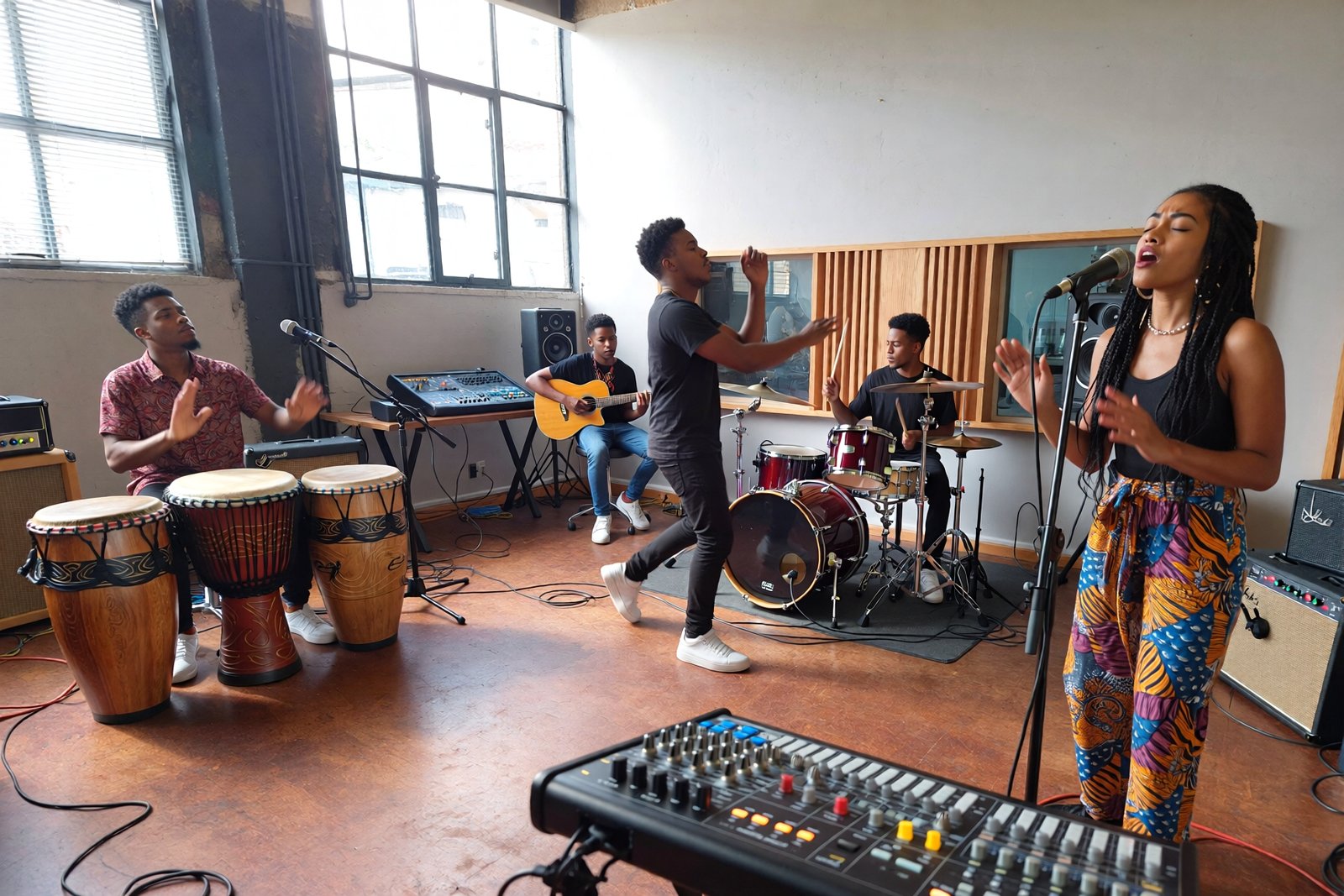
At its core, Nigerian music is characterized by polyrhythmic percussion and call-and-response vocal structures. This unique combination encourages audience participation, transforming listeners into active participants. The rhythmic complexity often results in infectious grooves that command movement, making it impossible to remain passive while enjoying the music.
The Fusion of Tradition and Modernity
Nigerian music thrives on juxtaposing ancient traditions with contemporary sounds. For instance, blending traditional drumming techniques that have persisted across generations with modern electronic production reflects the innovative spirit of Nigeria’s musical landscape. From Yoruba juju to contemporary Afrobeats, every genre contributes its unique flair and cultural significance.
What Does Music Sound Like in Nigeria?
Music resonates with the vibrancy of life in Nigeria. Whether one encounters street vendors playing Afrobeats or traditional drummers at community celebrations, every turn is a new auditory adventure. The fusion of various styles creates complex soundscapes where genres like Afrobeats, juju, highlife, and Fuji coexist harmoniously, each embodying distinct cultural narratives.
Major Nigerian Music Genres and Their Characteristics
| Genre | Primary Region | Key Instruments | Tempo (BPM) | Cultural Significance |
|---|---|---|---|---|
| Afrobeats | National (Lagos hub) | Drums, synths, bass, percussion | 100-128 | Global export, youth culture, economic powerhouse |
| Juju | Yoruba (Southwest) | Talking drum, guitar, keyboard, shekere | 90-120 | Social ceremonies, storytelling, cultural preservation |
| Highlife | Igbo (Southeast) | Guitars, horns, conga, vocals | 100-130 | Celebration music, weddings, festivals |
| Fuji | Yoruba (Southwest) | Sakara drums, vocals, bass | 110-140 | Islamic-influenced, praise singing, political commentary |
| Apala | Yoruba (Southwest) | Talking drum, omele, agidigbo | 85-110 | Traditional ceremonies, ancestral connection |
| Hip Hop | National (urban centres) | Electronic beats, samples, bass | 80-100 | Youth expression, street culture, social commentary |
This table highlights the extraordinary variety found in Nigerian music, showcasing how each genre serves specific cultural functions.
The Emotional Landscape of Nigerian Music
Nigerian music masterfully captures a range of emotions. Whether it’s joy through joyous highlife tracks or melancholy through introspective ballads, the expressive capabilities are boundless. The spiritual undertones embedded in many songs also reflect a deep cultural connection, where music serves not just as entertainment but as a means of celebrating life and traditions.
Engaging with Nigerian Music
How to Experience Nigerian Music
To truly appreciate Nigerian music, audiences should:
- Start With Context: Examine specific genres or regions instead of algorithm-based recommendations.
- Attend Live Performances: Experience the call-and-response dynamics that define Nigerian music.
- Study Instruments: Learn about traditional instruments that contribute to the unique sound.
- Connect Music to Cultural Events: Understand the ceremonial roles that different genres play.
- Learn Basic Languages: Grasp the lyrical depth by familiarizing yourself with Nigerian languages like Yoruba, Igbo, or Hausa.
- Follow Local Critics: Engage with the insights of Nigerian journalists to better understand cultural nuances.
- Support Artists: Stream music through official platforms and attend their concerts to help sustain their careers.
The Global Impact of Afrobeats
Afrobeats has taken the spotlight in recent years, becoming a cultural touchstone for Nigerians both at home and abroad. Artists like Wizkid, Burna Boy, and Davido have achieved international acclaim, significantly contributing to the global perception of African music.
Diverse Preferences Across Generations
Despite the prominence of Afrobeats, a rich diversity of genres remains vital across different demographics, from highlife enthusiasts in the Southeast to Fuji fans among Yoruba speakers. This variety ensures that traditional forms maintain their relevance even amid growing global influences.
Conclusion: The Richness of Nigerian Music
Nigerian music is a powerful blend of rhythmic complexity and emotional expression, embodying the nation’s diverse culture. Its unique ability to engage listeners while celebrating traditional roots sets it apart on the global stage. As Nigerian artists continue to innovate and push musical boundaries, their work will undoubtedly play a vital role in shaping perceptions of African creativity.
FAQs: Understanding Nigerian Music
What sets Nigerian music apart?
Nigerian music features intricate polyrhythms and cultural narratives, fostering a participatory experience that encourages audience engagement.
How do different genres coexist?
The coexistence of genres such as Afrobeats, juju, and highlife is a testament to Nigeria’s rich cultural diversity, each genre bringing its own unique history and significance.
Explore further to appreciate the depth of Nigerian music:
Nigerian music is more than just sound; it’s a vibrant expression of life, culture, and community that deserves recognition and respect. Dive in and experience the magic for yourself!
