

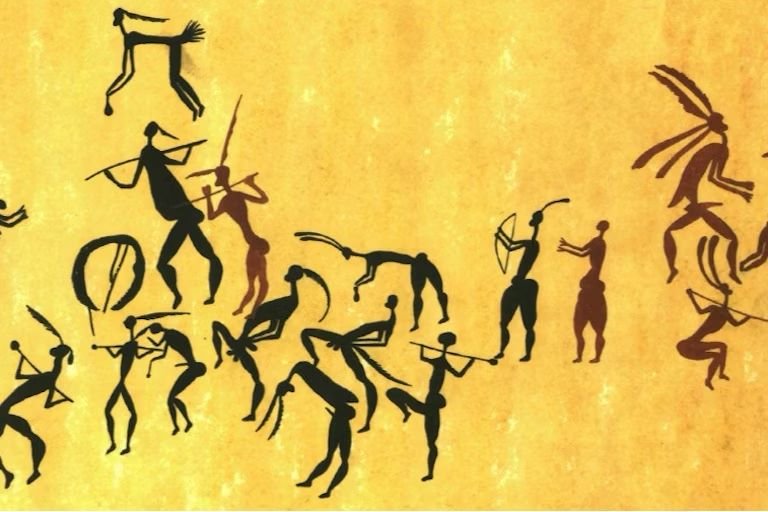
Exploring the Depths of Southern African Rock Art: An Insight into Dance Depictions
Southern Africa is home to a rich tapestry of rock art, showcasing a variety of illustrations that encompass human figures, animals, handprints, and other vivid imagery meticulously etched or painted onto rock surfaces. The rock art tradition primarily originates from the San hunter-gatherers, whose creative expression spans thousands of years.
Understanding Dance in Rock Art
The portrayal of dance scenes in southern African rock art was first documented a century ago, yet the interpretations of these images have sparked debate among scholars. Dance can be succinctly defined as intentional and organized bodily movement, serving as a medium for expressing emotions and facilitating nonverbal communication. In various southern African cultures, dance occurs during celebrations and rituals, sometimes inducing trance-like states in the performers.
Historically, scholars have categorized San rock art dances predominantly as trance rituals. However, ethnographic studies suggest that dance also served leisure and entertainment purposes within San communities, prompting the call for a more nuanced examination of dancing scenes in rock art.
Analyzing Dance: A New Study
A recent study by a team of archaeologists focused on the portrayal of dance in selected rock art across four provinces in South Africa: Free State, KwaZulu-Natal, Eastern Cape, and Western Cape. The research aimed to categorize different dance types and investigate whether these depictions represented ritualistic activities or leisure moments.
The findings indicate that some dances were performed for fun and enjoyment rather than solely for ritual significance. This study provides a necessary framework for future researchers interested in music archaeology, facilitating a deeper understanding of the past’s musical heritage.
Sources and Categories of Dance
The analysis included a comprehensive literature review, along with consultations of the African Rock Art Digital Archive, managed by the Rock Art Research Institute at the University of the Witwatersrand. Foundational and contemporary research from notable figures like George Stow and Patricia Vinnicombe contributed to the framework of the study.
The examination identified three main categories of dances found in the ethnographic records:
- Ritual Dances: Typically associated with communal beliefs and spiritual practices.
- Circumstantial Dances: Celebratory acts in response to specific events like successful hunts.
- Entertainment Dances: Including performances for fun and leisure, often rooted in social traditions.
Systematic Identification of Dance Scenes
To effectively categorize dancing scenes in rock art, the researchers applied six analytical attributes:
- Body Postures: Examining elements like bent figures and outstretched limbs.
- Paraphernalia: Observing objects held by dancers, such as sticks or rattles.
- Dancer Interactions: Analyzing the relationships between performers.
- Synchrony: Investigating unison movements among dancers.
- Movement Direction: Noting the orientation of dancing figures.
- Gender Representation: Identifying the gender of figures depicted.
Ritual Dances
The study revealed multiple instances of ritual dances captured in the rock art, with trance or medicine dances being prevalent among San communities. These dances serve as a communal healing practice, in which medicine men treat ailments while dancers enact spiritual rites.
During these trance dances, participants engage in a circular formation, creating a rhythm that is believed to induce altered states of consciousness. Ethnographic records highlight the importance of accessories like leg rattles, although such items are rarely depicted in rock art, with notable exceptions found at certain sites.
Other ritual practices illustrated include female initiation dances that engage with the lifecycle of women, specifically celebrating the onset of menstruation. These performances often mimic the movements of the female eland, an animal of great spiritual significance.
Leisure and Entertainment in Dance
Interestingly, the research also identified possible examples of circumstantial or leisure dances, which are typically more common in ethnographic descriptions than in their artistic representations. The depictions of leisure activities are essential for understanding the full spectrum of dance in San culture, highlighting the need to evaluate rock art critically to distinguish between ritual and more relaxed, social dancing experiences.
Conclusion
The exploration of dance in Southern African rock art unveils not only the historical significance of these images but also the cultural breadth of dance within these communities. By categorizing dance depictions and considering their various contexts, this study fosters a deeper appreciation for the cultural heritage embedded within these ancient artworks.
Through continued research and analysis, future scholars can further refine these categories and enhance our understanding of the musical landscapes of Southern Africa.
For more on the significance of Southern African rock art, consider visiting comprehensive resources like the Rock Art Research Institute or academic works by significant researchers in the field.
