

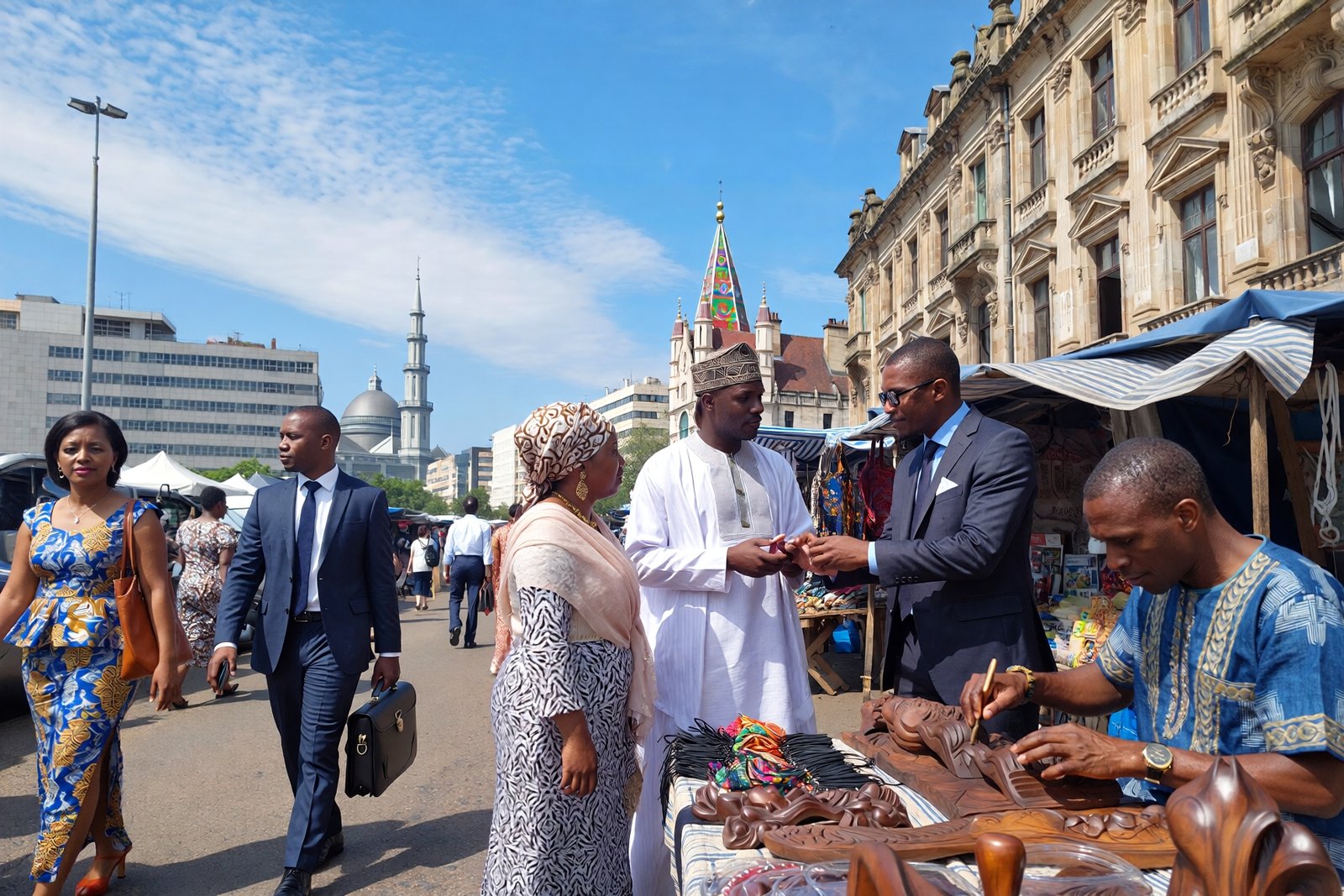
Exploring the Dominant Culture in Nigeria
Nigeria, Africa’s most populous nation, is a tapestry of rich cultural diversity woven from its over 250 ethnic groups. The inquiry into what constitutes the dominant culture in Nigeria reveals layers of complexity more profound than merely demographics. This article delves into Nigeria’s intricate cultural dynamics, exploring how various ethnic groups, religions, and social structures interact to form the national identity.
The Nature of Cultural Dominance in Nigeria
The concept of dominant culture in Nigeria transcends traditional definitions. Is it rooted in numbers, political muscle, or cultural influence? The truth is that Nigeria operates more like a cultural symphony, where diverse ethnicities and traditions coexist and enrich the national narrative rather than one overwhelming the other. The three primary ethnic groups—Hausa-Fulani, Yoruba, and Igbo—represent significant facets of this complex cultural framework, alongside 368 other vibrant ethnic groups.
Major Ethnic Groups and Their Cultural Influence
Each of Nigeria’s major ethnic groups contributes uniquely to the cultural landscape:
- Hausa-Fulani: Making up about 29% of Nigeria’s population, the Hausa-Fulani predominantly reside in northern regions. Their cultural practices, rooted in Islamic traditions and historically significant governance systems, shape various aspects of life in this area.
- Yoruba: Comprising roughly 21% of the population, the Yoruba people are known for their rich artistic traditions and vibrant festivals. Primarily located in the southwestern states, they wield considerable influence in Nigeria’s entertainment sector, particularly through Nollywood and Afrobeats music.
- Igbo: Representing around 18% of the population, the Igbo are primarily found in the southeastern states. They emphasize individual achievement, entrepreneurship, and democratic structures within their communities.
Understanding Nigeria’s Religious Landscape
Religion further complicates Nigeria’s cultural dynamics. With approximately equal numbers of Christians and Muslims—around 50% each—religion permeates daily life, politics, and social interactions. Traditional African religions also play a significant role, often intertwining with both Christianity and Islam in unique syncretistic forms.
Key Religious Dynamics
- Christianity: While predominantly found in the southern regions, Christianity’s influence is particularly pronounced in the South-East, where over 95% of the population identifies as Christian.
- Islam: The northern regions, notably the North-West and North-East, are predominantly Muslim, with estimates suggesting over 80% adherence to the faith.
- Traditional Religions: Across various ethnic groups, traditional beliefs coexist alongside the adherences of Christianity and Islam, illustrating Nigeria’s religious pluralism.
The Impact of Geography on Cultural Diversity
Nigeria’s geography has profoundly influenced its cultural practices. Each region has distinct ethnic marks shaped by its climate, resources, and history:
- The North: Predominantly home to Muslim communities led by the Emirate systems, cultural activities revolve around Islamic traditions.
- The South-West: Rich artistic practices and festivals define Yoruba culture, also accommodating diverse religious practices.
- The South-East: Igbo communities thrive on entrepreneurial spirit and egalitarian governance.
Understanding Cultural Protocols Across Nigeria
Cultural protocols, such as respect for elders and hospitality, are universally recognized across ethnic lines. Specific greetings and practices may vary, yet the underlying values resonate throughout the country.
Seven Steps to Understand Nigeria’s Cultural Landscape
If you’re looking to grasp the complexities of Nigeria’s culture, here are seven guiding steps:
- Recognize the Ethnic vs. National Identity: Embrace the multiple layers of culture that coexist within Nigeria.
- Learn Major Ethnic Group Distribution: Know where different groups are primarily located to better understand cultural norms and practices.
- Examine the Role of Religion: Explore how religious identities interweave with ethnic practices.
- Observe Urbanization’s Influence: Cities like Lagos serve as melting pots, creating hybrid cultures as urbanization progresses.
- Understand Pan-Nigerian Values: Note the common values that bridge ethnic and religious divides.
- Value Pidgin English: Recognize Nigerian Pidgin as a crucial tool for cross-cultural communication.
- Understand Cultural Influence Channels: Explore how cultural dominance operates through political strength, economic power, and artistic expression.
Cultural Equilibrium in Nigeria
Instead of a single dominant culture, Nigeria exemplifies a “cultural equilibrium” where various cultures influence distinct spheres, from politics to entertainment. The Federal Character principle aims to reflect this plurality in governance, promoting engagement across all ethnic identities.
The Emergence of a Pan-Nigerian Identity
Among younger Nigerians, a pan-Nigerian identity is rising, characterized by shared experiences in entertainment and social media interactions. This identity expresses multi-ethnic pride while contributing to communal cultural richness.
Conclusion: Celebrating Nigeria’s Rich Diversity
In conclusion, Nigeria’s cultural topography is defined by its diversity rather than singular dominance. As different ethnicities and religious practices continue to coexist and influence one another, the nation moves closer to a harmonious cultural coexistence, affirming the notion that diversity is Nigeria’s greatest strength.
Key Takeaways:
- Nigeria’s cultural fabric consists of diverse influences from its major ethnic groups and many smaller communities, preventing any singular dominance.
- The balanced religious landscape fosters continued negotiation between Christianity and Islam, promoting coexistence.
- A burgeoning pan-Nigerian identity reflects the evolving cultural landscape among urban youth, enriching Nigeria’s future narrative.
Related Articles to Explore Nigeria’s Cultural Diversity
- How Many Ethnic Groups Are in Nigeria?: A detailed analysis of Nigeria’s 371 distinct ethnic groups and their cultural significance.
- What is Nigerian Culture Known For?: An exploration of Nigeria’s cultural achievements and defining practices on the global stage.
