

Exploring the Legacy of Frantz Fanon Through Contemporary Theatre: Isitha Sabantu at the Market Theatre
A Theatre of Resistance and Remembrance
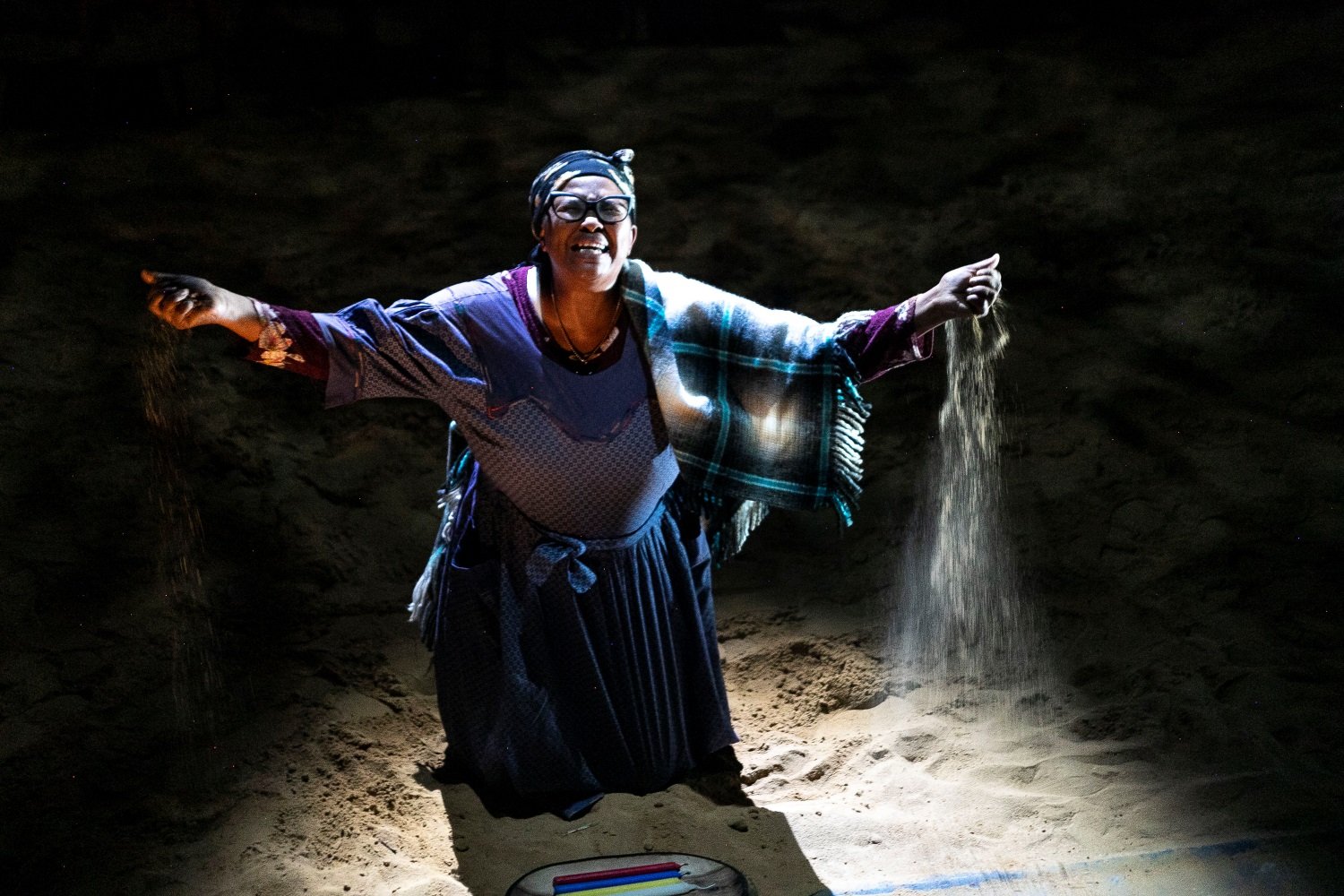
The production Isitha Sabantu currently gracing the Market Theatre encapsulates the intricate intertwining of art and political activism as envisioned by Frantz Fanon in his seminal work, The Wretched of the Earth. This powerful reflection serves as both a reminder of the ongoing struggles within postcolonial contexts and a celebration of the spirit of resistance that defines contemporary South African theatre.
The Sociopolitical Role of Theatre in Post-Apartheid South Africa
In exploring how Fanon’s revolutionary thoughts resonate with the landscape of theatre in a post-apartheid South Africa, it is crucial to recognize the socio-political implications for theatre-makers. Fanon’s assertion calls for a transformation from “art for art’s sake” to a more engaged form of creative expression that reflects and responds to the historical and socio-economic realities of marginalized communities. In this light, theatre emerges not just as entertainment but as a vital space for expressing political identities born from struggle.
The Significance of Isitha Sabantu
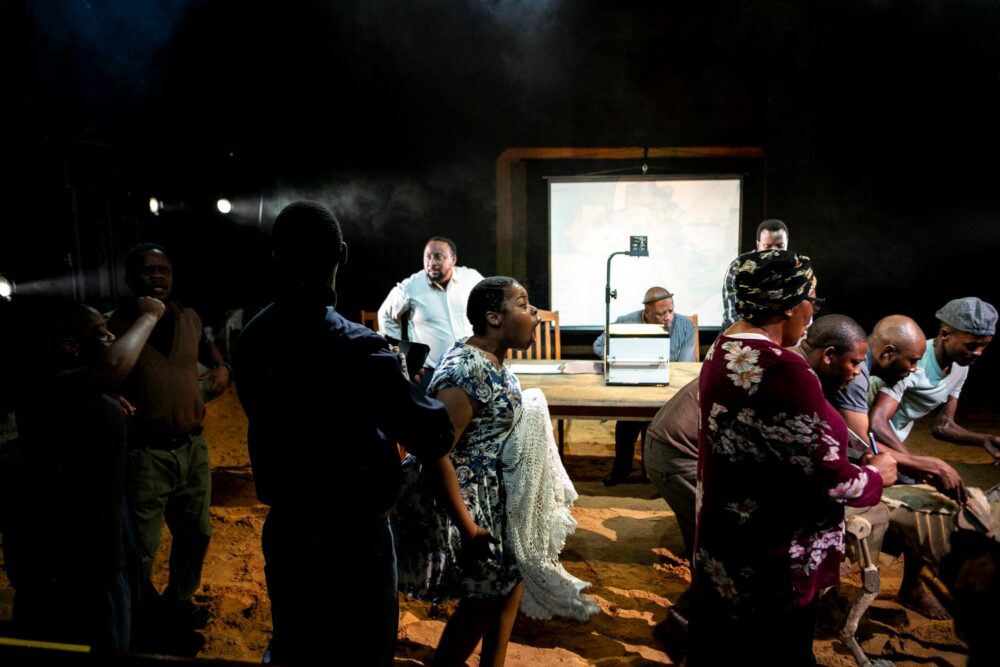
The creative team behind Isitha Sabantu, including Neil Coppen, Tony Miyambo, Nhlanhla Mahlangu, Dylan McGarry, Craig Leo, Tina Le Roux, and Mpume Mthombeni, focuses on telling the poignant story of Fikile Ntshangase, a South African environmental activist who was tragically assassinated on 22 October 2020. Through a meticulous blending of multi-disciplinary art forms such as praise poetry, maskandi, choral song, and puppetry, the show provides an immersive experience that connects the audience to deep ecological and communal justice themes.
A Narrative Grounded in Real-Life Struggles
Set against the backdrop ofHlanzeka, a tranquil village threatened by the encroachment of a coal mine, the narrative explores the disruption and heartache experienced by its residents. The play effectively employs various performative elements to navigate the complexities of these socio-political realities. The character-driven storytelling, enriched by poetic isiZulu prose, not only captivates but also invites audiences to reflect on the broader implications of colonial legacies, patriarchy, and eco-cide in South Africa.
The Theatrical and Cultural Legacy of Fikile Ntshangase
Fikile Ntshangase’s activism was deeply entwined with the Mfolozi Community Environmental Justice Organization, fighting against the expansion of Tendele Coal Mining’s operations near the Hluhluwe-Imfolozi Park, the oldest nature reserve in Africa. This real-world context enhances the tragic narrative presented in Isitha Sabantu, compelling the audience to confront the messy realities of environmental justice and human rights.
Empathy and Transformation in Theatre
The current piece resonates strongly with Brazilian theatre practitioner Augusto Boal’s concept of the Theatre of the Oppressed. This approach seeks to humanize the oppressed by engaging both the audience and performers in a collective process of reflection and transformation. The name Isitha Sabantu, which translates to "the enemy of the people," draws attention to systemic issues beyond individual characters, encompassing broader societal structures that perpetuate injustice.
Conclusion: A Theatre of Combat
As Fanon brilliantly articulated, theatre is a site of combat that shapes national consciousness and embodies the collective will for liberty. Isitha Sabantu stands as an example of this idea, inviting audiences to engage with the historical and cultural narratives that inform the fight for justice in South Africa. This production is not only an artistic endeavor but also a potent reminder of the ongoing land debate and its sociopolitical ramifications.
Catch Isitha Sabantu at the Market Theatre until March 29.
