

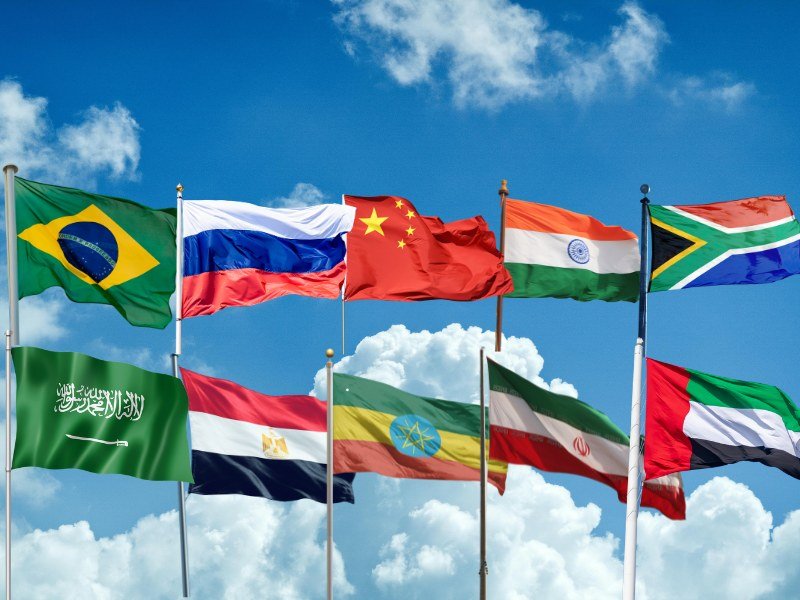
BRICS Initiatives Aim to Reduce Dollar Dependence in Africa
As of early 2026, BRICS leaders are making significant strides in reshaping global trade finance through innovative settlement tools, aiming to lessen reliance on the U.S. dollar. With pilot programs underway, the focus has shifted from a unified currency towards practical solutions that facilitate local currency trade and enhance economic flexibility for African nations.
Understanding the Shift in Settlement Tools
Recent developments indicate a growing momentum around alternative payment systems such as BRICS Pay, a blockchain-based network designed for cross-border transactions. Although a unified currency akin to the euro is not yet available, the emergence of the BRICS Unit—a basket-backed settlement tool—represents a pivot towards functional infrastructure that bypasses traditional U.S. dollar-centric frameworks.
Local Currency Trade Grows Among BRICS Nations
Trade data from intra-BRICS transactions reveals that local currencies now settle around 90% of these dealings, a substantial increase from just 65% three years ago. This surge, particularly influenced by major energy contracts between members like China and Russia, exemplifies a strategic shift towards reducing dependence on dollar-based frameworks.
With African countries navigating the complexities of international finance, the urgency is palpable. As the dollar weakens in 2026 amidst economic uncertainties, questions surrounding the potential of BRICS-linked settlement mechanisms are prominent: Can these alternatives diversify financing and mitigate currency risks for energy stakeholders?
Implications for African Energy Markets
Energy markets across Africa face significant challenges predominantly due to the risks associated with dollar-denominated debts. As the dollar continues to decline, exacerbated by shifting U.S. tariff policies, interest in alternatives is intensifying. BRICS-linked payment networks could reduce exchange rate risks, allow predictability in capital costs, and ultimately accelerate investment in energy infrastructure.
Expanding Alternative Financial Channels
Institutions like the New Development Bank (NDB) and the forthcoming Africa Energy Bank (AEB) are crucial in this landscape. The NDB is already facilitating local-currency financing, while the AEB aims to address an estimated $30-$50 billion funding gap in energy projects, with a target of $10 billion in commitments. These entities align well with emerging trade and financing ecosystems, enhancing access to essential capital.
"The significant challenge in investment is the lack of access to finance," stated Rene Awembeng, Managing Partner at Premier Invest. Addressing this gap is critical, especially as Africa strives to meet its substantial energy financing needs.
Piloting Direct Trade Mechanisms
Upcoming commodity exchange platforms are also emerging to support direct trading of resources such as oil and gas without requiring conversion to dollars. For African exporters, this paves the way for competitive pricing, quicker transaction cycles, and better integration into global supply chains that are not tied to dollar constraints.
Strategic Autonomy in a Multipolar Financial Landscape
The core opportunity for African energy markets rests in gaining flexibility through diverse payment systems and funding sources. Initiatives like China’s Cross-Border Interbank Payment System and the developing BRICS Pay network offer resilience against financial sanctions and challenges posed by a contested international landscape.
However, the transition is gradual. While the BRICS Unit is positioned as a settlement tool and not a sovereign currency, future integration of digital currencies and interoperability programs are anticipated, albeit years away from full deployment.
Fostering a Resilient Financial Ecosystem
As global energy demands escalate and capital needs grow, the focus for investors and policymakers shifts from whether BRICS settlement alternatives will fully replace the dollar, to how these systems can be integrated into robust financing strategies that support Africa’s ambitious energy goals.
Navigating this complex terrain necessitates proactive adaptation and innovative thinking, positioning Africa to secure better terms and diversify its funding partnerships while limiting exposure to volatile currency swings.
In conclusion, as BRICS advances its alternative settlement mechanisms, the potential benefits for Africa’s energy sector are significant. This marks a critical moment in redefining financial independence and paving the way for a multipolar financial reality that meets the continent’s growing energy needs.
