

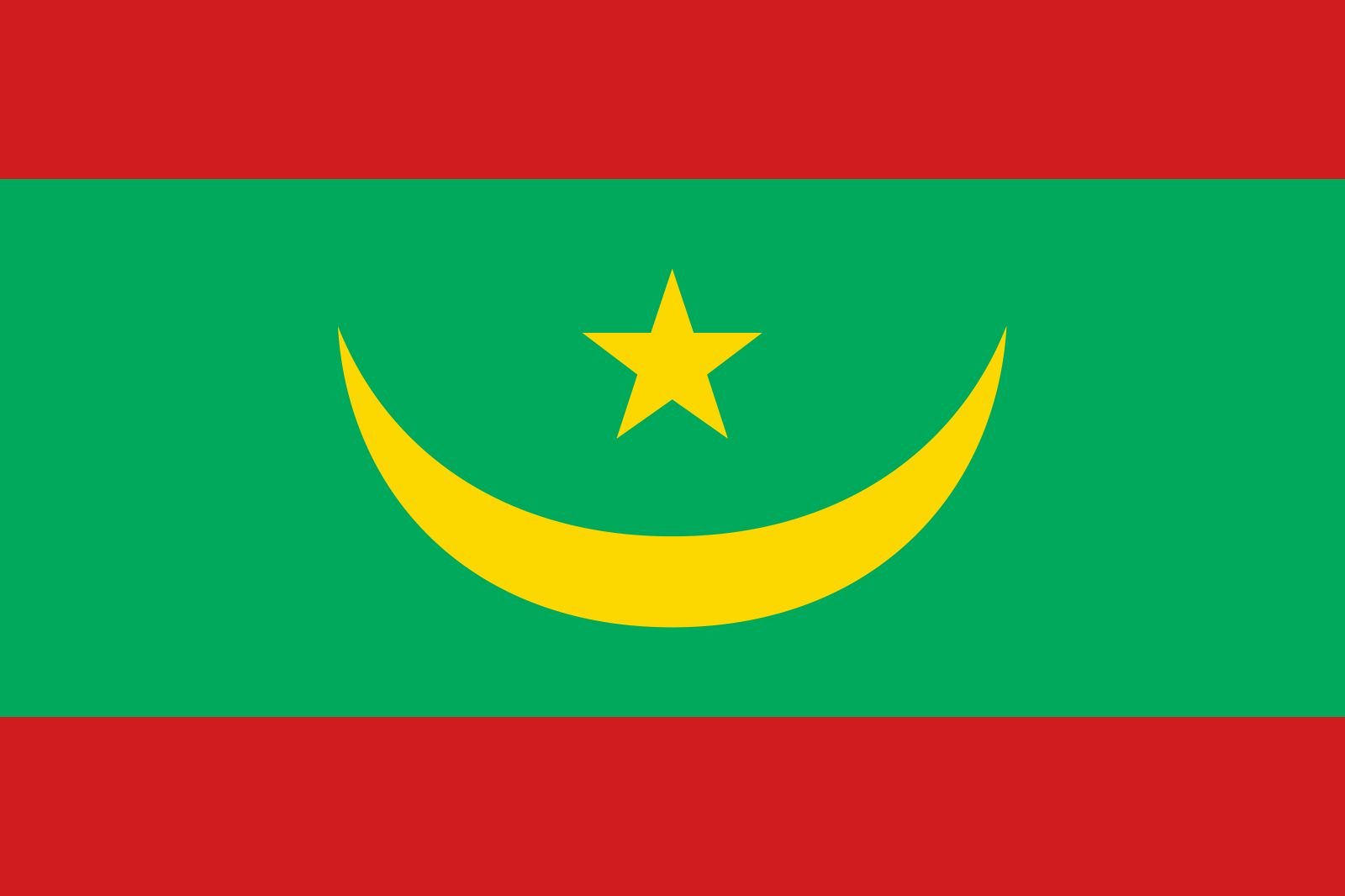
The Governance and Cultural Landscape of Mauritania
Constitutional Framework of Mauritania
Mauritania operates under a complex constitutional framework that has evolved significantly since gaining independence in 1960. Initially, the country embraced a presidential regime, which lasted until a military coup in 1978 established a military government. Although a civilian administration was formed in December 1980, this was short-lived, as it was replaced by a predominantly military regime just months later.
The pivotal moment came in 1991 when a new constitution was introduced, creating a multiparty system and a bicameral legislative structure. This constitution was amended in 2006, incorporating a new legislative body, adjusting presidential terms, and setting a 75-year age limit for presidential candidates. After coups in 2005 and 2008, the military leadership committed to retaining the 1991 constitution, supplemented by a charter affirming its governance structure.
Political Structure
Mauritania is classified as a republic, with the president serving as both head of state and government. Elected by popular vote for five-year terms, the president appoints a prime minister to assist in governance. Before 2017, the country maintained a bicameral legislature composed of the Senate, whose members were largely elected through municipal leaders, and the National Assembly, whose members were directly elected by the populace. However, a popular referendum in 2017 led to the abolition of the Senate, leaving the National Assembly as the sole legislative body.
Local Government
The nation is divided into several administrative regions, each managed by a governor. The capital city, Nouakchott, operates as a distinct district.
Justice System in Mauritania
Mauritania’s legal system operates primarily under Islamic law (Sharīʿah) and Mālikī jurisprudence, established since February 1980. In rural and settled communities, judges known as qadi oversee personal status cases, including marriage and divorce. The High Council for Fatwa and Administrative Appeals offers opinions on Islamic law and addresses civil and legal disputes.
The judicial infrastructure includes lower courts, labor and military courts, a Court of State Security, a Constitutional Council, and a Supreme Court, which serves as the highest appellate court.
Political Participation and Rights
Universal suffrage is granted to all Mauritanian citizens aged 18 and older, and they are eligible to hold public office. A 2006 decree mandated that 20% of political positions be reserved for women, marking a significant step towards gender inclusivity. In the same year, two women were appointed as the first female governors, reflecting progressive shifts in the political landscape.
Minority groups also participate in the political process, although their representation is generally lower than their population demographics.
Defense and Security
The Mauritanian defense forces comprise an army, navy, air force, and paramilitary units, with the army being the largest. Military service is compulsory, with a two-year duration for conscripts.
Health Care and Welfare
Healthcare services in Mauritania are limited, with a primary hospital located in Nouakchott and several regional health centers, including maternity facilities. Free medical services are available for indigent populations, while traditional healing practices remain prevalent. Health challenges such as tuberculosis, venereal diseases, and other ailments are significant concerns, and HIV/AIDS incidence appears to be lower than in many other African nations.
Education System
Primary education lasts six years and is compulsory, starting at age six. Secondary education spans seven years and is divided into lower and upper cycles. Although literacy rates are improving, adult literacy hovers around 50%, with a notable discrepancy between male and female literacy.
The education system initially revolved around French, reflecting colonial histories. However, policies initiated in the late 1980s aimed to promote Arabic education, making Arabic the primary language of instruction in most schools by the 1990s. The University of Nouakchott, established in 1981, offers various faculties, while other specialized institutions focus on industry and Islamic studies.
Rich Cultural Life and Traditions
Mauritania’s cultural heritage is rich and diverse, characterized by the coexistence of various ethnic groups. Shared Islamic faith acts as a uniting force in forging a national identity, allowing traditional barriers to be transcended.
Notable Cultural Practices
Moorish women play a vital role in cultural transmission, balancing family responsibilities with active participation in various sectors, including government and business. National holidays celebrate significant events, such as Eid al-Fitr, Eid al-Adha, Labour Day on May 1, Africa Day on May 25, and Independence Day on November 28.
Artistic Expression
Mauritania is often referred to as "the land of a thousand poets," reflecting its deep-seated appreciation for poetry and music. Traditional music, influenced by African and Andalusian styles, is merging with contemporary genres. Prominent artists like Dimi Mint Abba and Malouma have contributed notably to Mauritanian music and culture.
Role of Cultural Institutions
Nouakchott hosts a national library, national archives, and a research center dedicated to preserving Arabic manuscripts. Several private libraries throughout the country enrich this cultural landscape.
Sports and Recreation
Football (soccer) reigns as the most popular sport, especially in Nouakchott, where the annual Mauritania Cup highlights local talent. The country established a national Olympic committee in 1962, achieving recognition from the International Olympic Committee by 1979 and participating in the Olympics since 1984.
Media Landscape
The media landscape in Mauritania is evolving, transitioning from government control to a more open environment. Various publications in Arabic and French circulate in urban areas, providing platforms for diverse political and cultural commentary. Notable newspapers include Chaab, Horizons, and Le Quotidien de Nouakchott, among others.
This comprehensive overview of Mauritania outlines the nation’s governance structure, judicial system, healthcare, education, and vibrant culture, underscoring its rich heritage and the evolving dynamics of its society. For more detailed information, you may refer to resources such as Britannica that provide in-depth insights into Mauritanian history and culture.
