

The Electricity Crisis in Nigeria: A Call for Comprehensive Reform
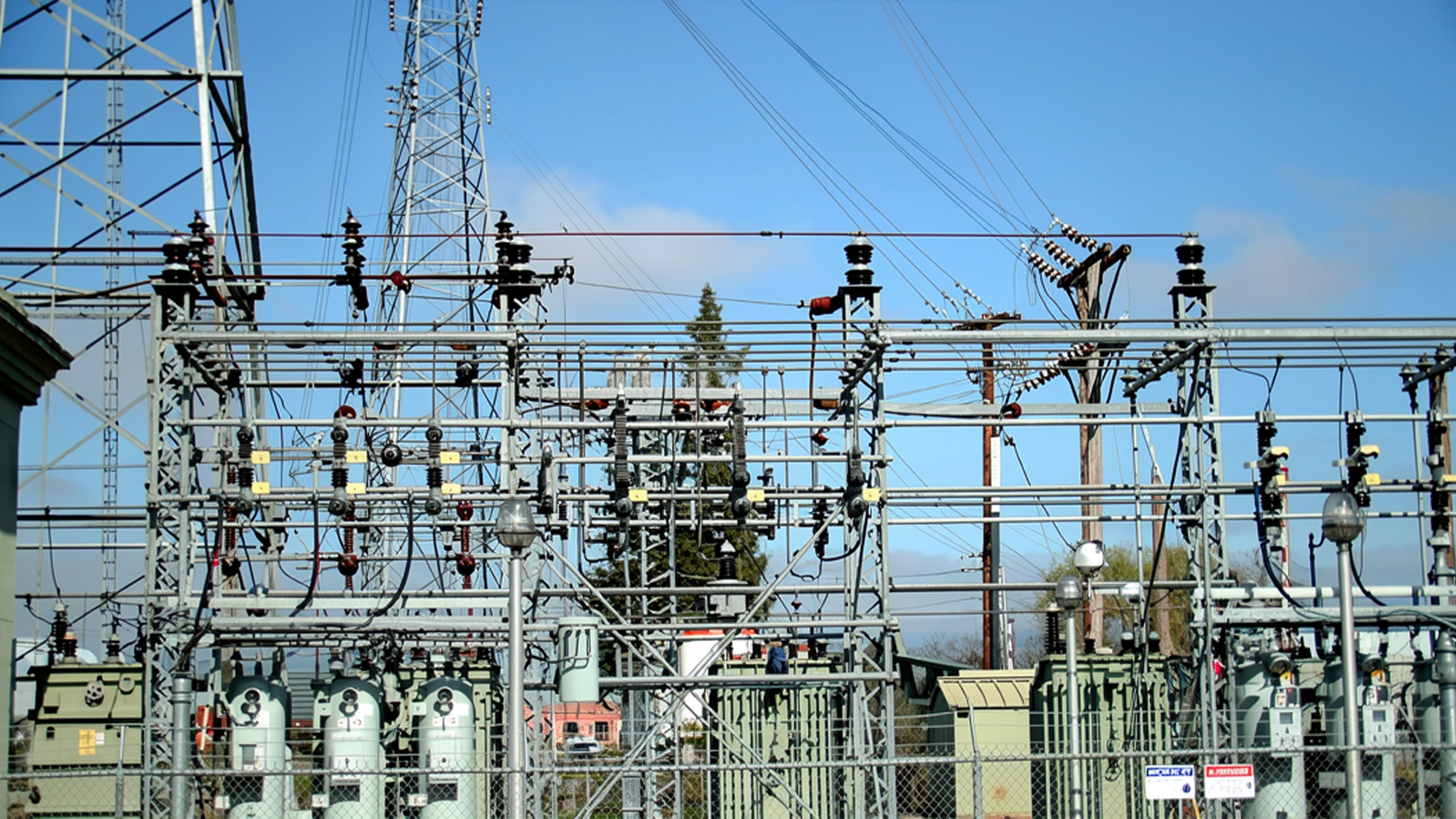
Nigeria’s electricity supply remains in a dire state, prompting proposals for significant reforms such as the establishment of the Grid Asset Management Company (GAMCO). This initiative aims to revamp the nation’s dilapidated transmission infrastructure—the weakest link in an otherwise promising power chain. Despite generating electricity, much of it fails to reach consumers, resulting in daily frustrations for countless Nigerians who face erratic power outages.
Addressing Systemic Challenges
While the intention behind GAMCO is commendable, its success relies on avoiding political interference and ensuring transparent governance. Historical missteps highlight that merely changing institutional frameworks without addressing underlying issues rarely yields positive results. Moreover, the transmission grid is just one aspect of a far more complex problem. Reworking this infrastructure without tackling gas supply issues, revenue collection inefficiencies, and tariffication dilemmas would be akin to expanding a highway that leads nowhere.
The essence of Nigeria’s electricity crisis is stark—despite possessing abundant natural gas resources, relentless sunlight, and a large talent pool, the country struggles with a critical power supply. Surprisingly, it’s still unable to deliver stable electricity in a technological age where digital and industrial advancements are pivotal.
The Daily Struggle for Power
For many Nigerians, electricity is not a simple utility; rather, it’s a system fraught with uncertainty. Daily outages lead homes and businesses to rely on generators and inverters, complicating life in urban areas. What should typically be treated as a public good has morphed into a private survival challenge, reflecting a systemic failure in execution rather than a lack of resources or good ideas.
Gas Supply Constraints
Electricity distribution companies, or DisCos, now face additional hurdles as they ration supply due to insufficient generation, hampered by ongoing gas shortages. The Nigerian Independent System Operator (NISO) has even reduced grid generation, leading to a precarious electricity environment, with allocations distributed unfairly across different regions.
The Government’s Response
Rather than tackling these structural constraints, the government’s strategy has recently involved expanding solar power initiatives, such as adding 200MW through rural electrification projects. This approach, although well-intentioned, falls woefully short in a situation that demands thousands of megawatts. The goal is not merely to make incremental improvements but to enact a coherent strategy that addresses the entire value chain—from gas supply and pricing to the intricate dynamics of transmission and revenue collection.
The Economic Implications
The consequences of this ongoing crisis are profound. Small businesses are burdened by high diesel costs for generators, students are hindered from studying at night, and hospitals face soaring costs to support life-saving equipment with backup power sources. The ripple effects across the informal economy disrupt multiple livelihoods, leading to a decline in productivity and income, accompanied by lost opportunities.
Time for Effective Reform
Incremental reforms are inadequate at this juncture. Systematic restructuring of the electricity sector must occur, addressing key issues such as revenue collection inefficiencies, aging infrastructure, and political sensitivity surrounding tariffs. Discord among the electricity generation companies, distribution entities, and regulators must give way to coherent approaches aimed at establishing a stable system.
The privatisation of the power sector in 2013 aimed to transform the landscape. Unfortunately, it led to poorly funded distribution companies, continued liquidity crises, and a state of perpetual instability. More than a decade later, the outcomes remain lacking.
The Path Forward
With a wealth of resources at its disposal, Nigeria can learn from other countries that have successfully transformed their power sectors through sustained policy, disciplined regulation, and robust investment. What the nation lacks is coherence, continuity, and genuine political will.
The current administration must prioritize confronting the electricity crisis with genuine urgency and a comprehensive strategy. Solutions like solar panels and private inverters may offer temporary respite but fail to address the systemic issues plaguing the nation’s power sector.
Conclusion
Reliable electricity is a cornerstone of contemporary economic development and social well-being. Nigeria’s persistent failures are not an inevitability but a call to action. The nation deserves more than coping strategies; it mandates a functional electricity system that promises a brighter future devoid of endless darkness. The need for robust and systemic reform is unmistakable. Only then can Nigeria hope to emerge from its electricity crisis into a realm of stability and growth.
