

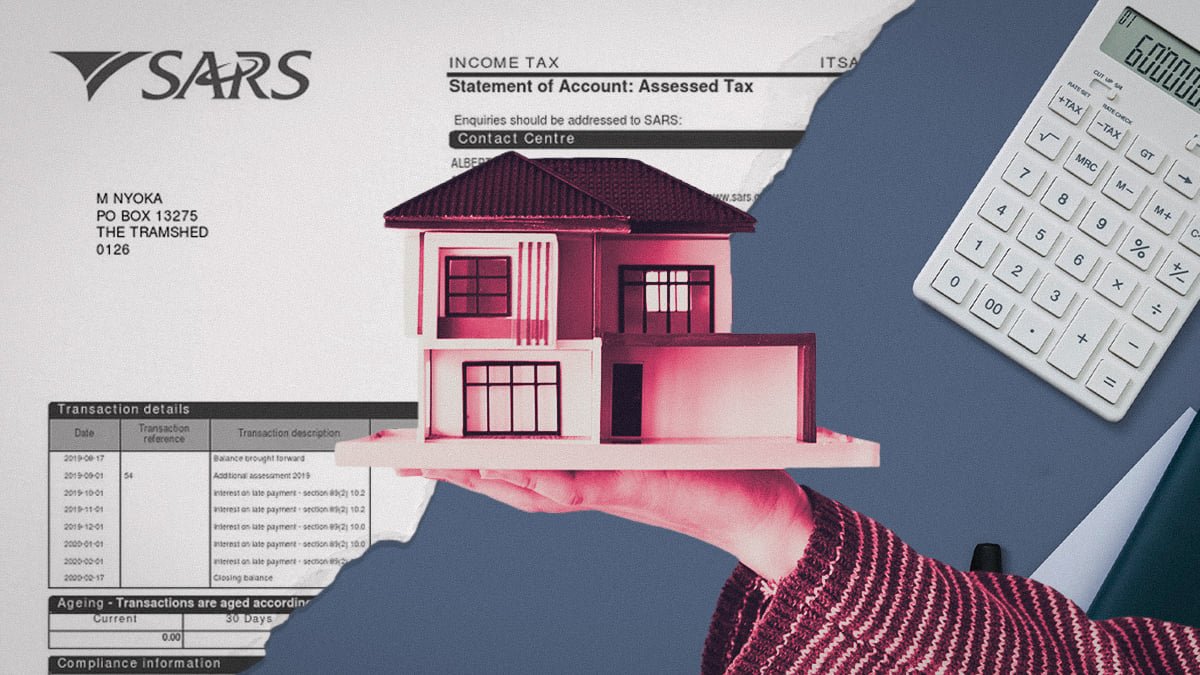
Tax Changes for Foreign Property Owners in South Africa: Essential Insights from the 2026 Budget
The recent 2026 Budget of South Africa introduced notable tax relief measures for foreign property owners, yet non-resident investors must remain vigilant against penalties, interest, and possible tax exposure due to non-compliance.
According to industry experts at Foreign Buyer Property Solutions, foreign nationals owning or contemplating the purchase or sale of South African real estate should pay close attention to the budget announcements that could significantly alter their tax responsibilities.
The Tax Implications of Rental Income
For international investors, rental income derived from South African properties, such as holiday homes, is classified as South African-sourced income, which is subject to taxation by the South African Revenue Service (SARS).
The Budget adjustments for 2026 will revise tax thresholds for individuals under 65, lifting them from R95,750 to R99,000. Consequently, individuals earning below R99,000 annually will not be liable for personal income tax.
If the property is co-owned with a spouse, the rental income is equally divided between the partners. This mechanism allows for a combined tax-free threshold of R198,000 per year.
Foreign Buyer Property Solutions clarified that property owners are taxed based on rental profits rather than turnover. “It’s crucial to factor in deductions like bond interest, municipal charges, and maintenance costs to ensure accurate net profit declarations,” they emphasized.
The firm also highlighted the importance of being taxed solely on South African-sourced income. Maintaining a non-resident bank account and registering with SARS as a non-resident taxpayer is essential to avoid unintended global tax obligations.
Capital Gains Tax on Property Sales
When foreign nationals sell property in South Africa, they incur capital gains tax (CGT) on any profit from the sale. The latest Budget increased the annual CGT exclusion from R40,000 to R50,000, allowing sellers to realize a profit of R297,500 from a property disposal without incurring tax liabilities, provided they have no other taxable income in the country.
In cases of joint ownership, this gain is split, effectively doubling the available tax-free threshold to R297,500 for each spouse.
Additionally, foreign property owners may deduct costs associated with acquiring, improving, and disposing of the property, such as agent commissions and legal fees.
Furthermore, the primary residence CGT exemption has also seen an increase in the 2026 Budget, rising from R2 million to R3 million, which can potentially be utilized under specific circumstances by non-resident foreign nationals, though careful planning is essential to avoid complications surrounding tax residency status.
VAT Registration Threshold Increase

Another significant update entails the increase of the value-added tax (VAT) registration threshold from R1 million to R2.3 million. This means that those operating near the R1 million threshold may no longer need to register for VAT, effective from April 1, 2026. This change simplifies administrative processes while reducing compliance costs.
However, the new higher threshold may create challenges in certain investment scenarios. Non-registered foreign investors cannot reclaim input VAT on property purchases or renovations, potentially diminishing their overall return on investment.
The Importance of Compliance
Foreign Buyer Property Solutions cautioned against a common misconception among foreign property owners that if no tax is owed, there is no need for filing. Even if rental income is below R99,000 or capital gains fall within the annual exclusion, property owners must still register as taxpayers and submit annual tax returns.
Rental income does not qualify as remuneration from a registered employer, which generally classifies property owners as provisional taxpayers, except where rental income does not exceed R30,000 for the tax year. For income surpassing this threshold, two provisional tax returns are required before the annual income tax return submission.
The submission timeline includes the first provisional return due by the last business day of August 2026, followed by a second before the last business day of February 2027, and the annual income tax return submissions begin in July 2027.
“Neglecting to submit returns may lead to penalties and interest, even if the final assessed tax liability is minimal,” the firm warned.
While the tax relief measures outlined in the 2026 Budget offer valuable benefits for foreign property investors, the focus must be on compliance and correct structuring to minimize risks. A thorough review of your South African tax registration status, provisional tax obligations, and relevant exemptions is crucial for maintaining a compliant cross-border investment strategy.
