

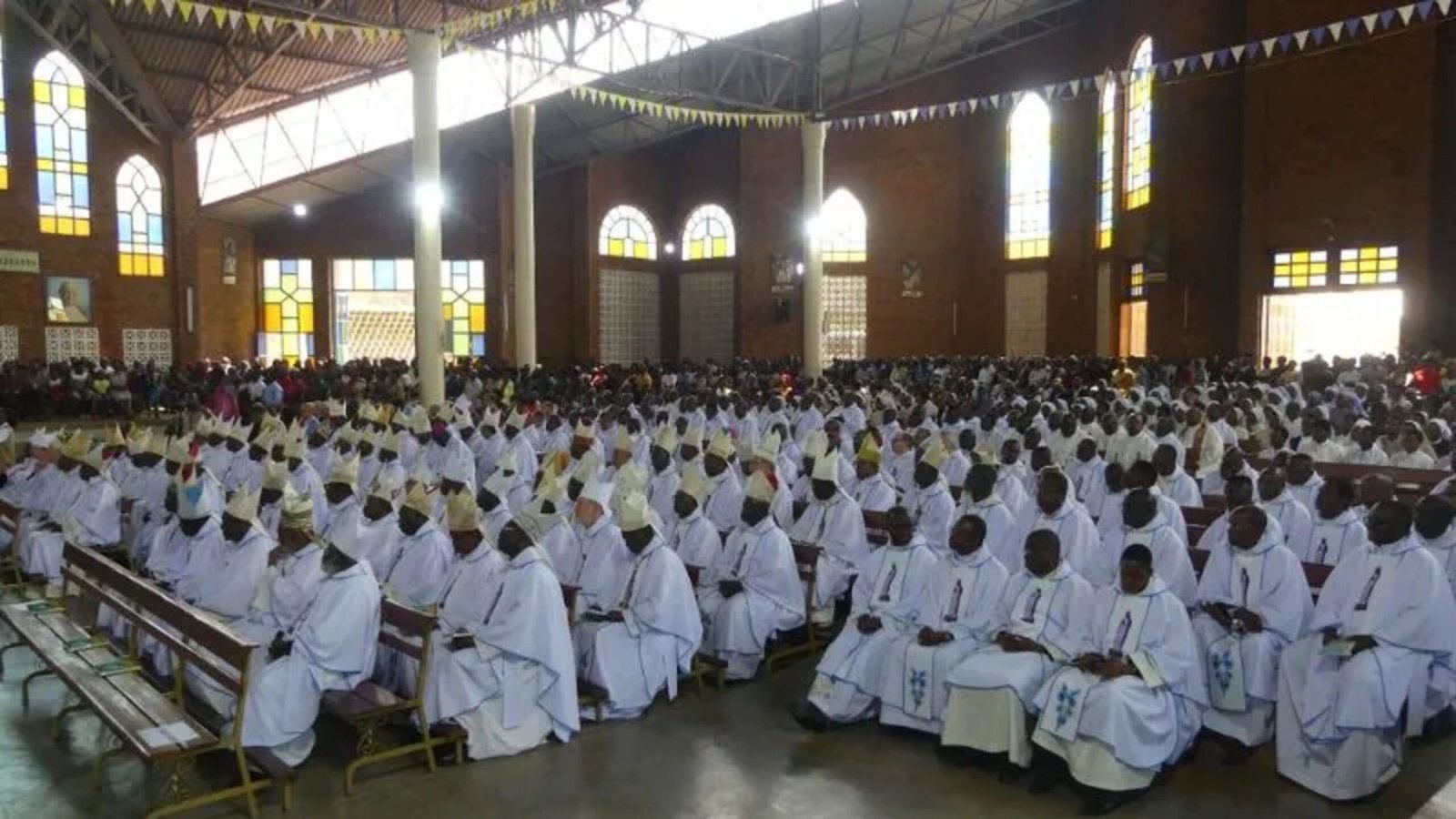
Addressing Polygamy in Africa: A Comprehensive Report from SECAM
The ongoing practice of polygamy across Africa has prompted significant attention from the Symposium of Episcopal Conferences of Africa and Madagascar (SECAM). Their final report, issued on March 24, emphasizes the complex social, cultural, and pastoral realities contributing to this practice.
Understanding the Social Landscape of Polygamy
The report acknowledges that polygamy cannot be viewed merely through traditional cultural lenses. African societies have experienced profound transformations in recent decades, with long-standing institutions and values coming under scrutiny. Despite modernization efforts and increased religious evangelization, polygamy persists and, in some cases, is regaining popularity.
Sociological research referenced in the report identifies infertility as a significant factor driving contemporary polygamous arrangements. This complex issue includes socioeconomic pressures, particularly the evolving roles of women, who are increasingly assuming key economic positions, particularly in informal sectors.
Legal Frameworks and Their Implications
Roughly 30 African nations allow polygamy through civil, customary, or religious laws, including countries like Kenya, Nigeria, Senegal, Tanzania, Morocco, and South Africa. Yet, the report highlights a lack of widespread societal support for such laws. Women’s movements across the continent increasingly challenge legislation supporting polygamy, viewing it as unequal and disrespectful toward gender equality.
Fostering Women’s Dignity
A critical component of the SECAM report revolves around enhancing women’s dignity within cultural and ecclesiastical contexts. While some women may opt for polygamous arrangements for various reasons, theological inquiries into such choices question their alignment with divine intentions for human relationships. The report posits that polygamy contradicts the biblical vision for women’s development.
Economic Vulnerability and Polygamy
Polygamy is also linked to economic vulnerability, particularly for widows. The traditional practice of levirate marriage, where a widow marries a relative of her deceased spouse for protection, serves a social security function but raises concerns regarding exploitation. The report underscores the need for pastoral care focused on ensuring material and moral security for vulnerable groups, thereby reducing the likelihood of pursuing polygamous relations out of necessity.
Hidden Forms of Polygamy
The concept of "veiled polygamy" has also emerged in the report, indicating situations where individuals engage in multiple sexual relationships without formal marriage. Although these circumstances do not present the same doctrinal issues as traditional polygamy, the SECAM commission expresses concerns regarding the societal and church implications, highlighting the associated stigma faced predominantly by women and the adverse effects on children’s well-being.
Preparing Couples for Christian Marriage
A proactive approach to pastoral care is essential, according to SECAM’s recommendations. Many polygamous situations arise from cultural expectations surrounding fertility. The report advocates for comprehensive marriage preparation programs aimed at helping couples grasp the Christian understanding of marriage beyond just childbearing, focusing instead on love and fidelity.
Embracing Inculturation
The SECAM report frames the polygamy discussion within a larger agenda of inculturation, emphasizing the Church’s evolving relationship with African cultures. Traditional approaches often treated polygamy as a purely moral dilemma to be eradicated. Today, there is a call for a balanced focus on both the Gospel’s fidelity and a sensitivity to cultural realities.
Conclusion: A Path Forward
The SECAM commission emphasizes the necessity for ongoing dialogue among Catholic bishops, theologians, and pastoral workers to continually reevaluate and propose effective pastoral strategies regarding polygamy and other societal issues. In doing so, it seeks to establish an authentic African expression of Christian family life that resonates with both faith and cultural context.
For further insights into this significant report and its implications for African societies, consider exploring SECAM’s official resources and ongoing discussions surrounding polygamy and related pastoral challenges.
