

Preserving Elders’ Stories: Malik Afegbua’s LegacyLink Project
The African proverb "When an elder dies, a library burns to the ground" resonates deeply with many, including Nigerian artist and filmmaker Malik Afegbua. For Afegbua, this adage reflects a profound loss—he feels disconnected from his heritage, stating, "I don’t know what my great-grandfather looks like… there is no data, there is no library."
The Mission behind LegacyLink
In response to this gap, Afegbua has launched LegacyLink, an innovative project aimed at preserving the stories and experiences of elders across the African continent. His vision is to document their lives so that their narratives "live forever."
Afegbua captures the essence of these elders by conducting interviews, recording their stories, and creating 3D scans of family heirlooms such as masks and drums. This valuable data will help him create "digital twins" of the elders, allowing them to be displayed as holograms in public spaces, such as airports. Here, visitors can engage in conversations with these digital representations, with artificial intelligence (AI) generating responses based on Afegbua’s interviews.
Engaging with the Past
The final holographic displays are designed to feel incredibly lifelike, as if you’re having a conversation with the elder directly. Users will be able to inquire about their lives, tapping into the rich tapestry of experiences preserved in this digital format. Additionally, an online chatbot will be made available to enhance accessibility.
Currently, the initiative is in its early stages. Afegbua has already interviewed 15 elders in Nigeria and plans to expand to Kenya and Cameroon, with a goal of reaching 1,000 interviews by 2028.
Language Accessibility and Cultural Sensitivity
Understanding the importance of language, Afegbua aims to make the final project accessible in multiple languages, emphasizing that "AI does not understand certain languages, or what certain nuances might mean." This approach underscores his commitment to cultural sensitivity and accuracy.
Initially, some elders were reluctant to share their stories. During an interview with one group in Ikorodu, Lagos State, they voiced concerns based on ancestral beliefs about not exposing their narratives. To ease their apprehensions, Afegbua presented a slideshow to explain the significance of the project. Following this, their excitement grew—they became intrigued by the prospect of sharing their legacies.
Afegbua introduced large language models to help the elders grasp how AI could assist them in storytelling, enhancing memory recall, and coding their stories for broader audiences.
Navigating Sensitive Topics
The interviews began by focusing on everyday life, gradually delving into more personal experiences. Afegbua ensures sensitivity around certain topics, particularly challenging historical periods like the Nigerian Civil War (1967-1970). As many participants expressed hesitance to discuss their experiences, Afegbua respects their boundaries, stating, "the trauma is still very present."
Afegbua previously gained recognition through a project called “The Elders Series”, where he employed AI to create images of older Africans on the catwalk—a celebration of their dignity and beauty.
Beyond LegacyLink: The ReMemory Project
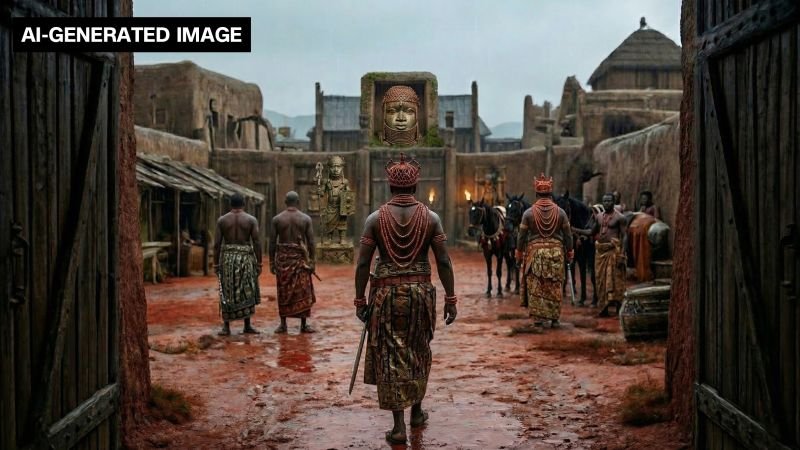
In addition to preserving living histories, Afegbua is also working on the ReMemory project, which involves using AI to recreate lost architectural sites in Africa. This initiative aims to visually restore heritage sites that have been damaged or destroyed.
The ReMemory project draws upon historical records and academic studies. Users will eventually be able to explore these sites using their phones, computers, or through virtual reality environments.
One prominent focus of this project is the historic walls of Benin City, built between the 7th and 14th centuries. Although significant portions have fallen into disrepair, Afegbua seeks to reconstruct the vestiges of these ancient structures, using existing diagrams and descriptions to bridge historical gaps.
The Future of Cultural Restoration
Both the LegacyLink and ReMemory projects showcase Afegbua’s goal of leveraging AI technology to revive languages, artifacts, and symbols in a manner that allows future generations to experience their rich cultural heritage. As these initiatives evolve, they hold the promise of safeguarding and revitalizing the narratives that define African history, ensuring that the wisdom of the elders endures for those yet to come.
For more information on the significance of African traditions and heritage, explore resources like UNESCO or visit academic sites that detail historical narratives and practices.
By following this compelling journey of remembrance and preservation, you can witness how technology intersects with culture, allowing both past and present to coexist in meaningful ways.
