

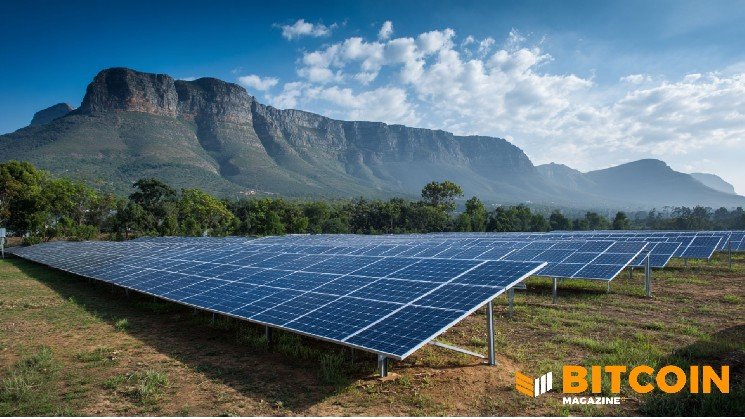
Eskom Explores Discounted Electricity for Bitcoin Miners Amid Solar Surplus
South Africa’s Eskom, the state-owned electricity public utility, is assessing the potential of providing discounted electricity to Bitcoin mining operations as an increasing number of households and businesses adopt rooftop solar systems. This shift is leading to an abundance of electricity during daylight hours, a trend that Eskom aims to capitalize on.
Solar Adoption Reshaping Energy Demand
During a recent address at the Biznews Conference 2026 in Hermanus, Eskom chairman Mteto Nyati highlighted the utility’s strategic considerations for monetizing surplus power. The rapid integration of rooftop solar installations is drastically altering the country’s energy consumption landscape, creating fluctuating periods of electricity demand.
Nyati pointed out a predictable pattern emerging: electricity demand surges in the morning as people prepare for their day, but as more solar energy begins to flood the grid later in the day, the demand diminishes, leaving a substantial amount of excess electricity.
Leveraging Surplus Power for Bitcoin Mining
One innovative solution Eskom is contemplating is selling this surplus electricity to Bitcoin mining companies. Mining operations, known for their energy-intensive data centers that validate transactions on the Bitcoin network, can offer a stable demand for electricity, particularly during the daytime when excess capacity is available.
Bitcoin mining is driving a notable increase in global electricity consumption. As Nyati stated, "The technology did not exist two decades ago but now represents a growing source of power consumption." By tapping into this market, Eskom could not only utilize leftover capacity but also potentially generate additional revenue.
Expanding into New Energy Markets
This initiative aligns with previous remarks from Eskom’s chief executive Dan Marokane, who indicated that the utility is exploring opportunities tied to Bitcoin mining, artificial intelligence infrastructure, and large-scale data centers. These sectors require a robust and continuous electricity supply, presenting an opportunity for Eskom to meet new demands.
Nyati emphasized that these initiatives are part of a larger strategy to adapt to the evolving dynamics of South Africa’s electricity market. With the power sector opening to private investments and independent generation, Eskom faces challenges but also opportunities to diversify its customer base.
Cost Reduction Efforts
In addition to exploring new revenue sources, Eskom is focused on minimizing costs. Nyati announced plans to eliminate approximately R112 billion in expenses over the next five years. Streamlining costs could enable the utility to lower electricity prices for both households and industries, including the energy-intensive sectors of mining and smelting.
Despite these transformative changes in the energy landscape, Nyati affirmed the need for a robust national utility. He advocates for the importance of Eskom’s coal and nuclear operations as essential providers of base-load electricity required for industrial growth and economic development.
Conclusion: A New Era for Energy Consumption
Eskom’s proposal to offer discounted electricity to Bitcoin miners highlights a significant shift in the way utilities are beginning to view flexible energy consumers. By positioning mining operations as potential partners in balancing supply and demand, Eskom is embracing the changes brought on by renewable energy sources like solar power.
This evolving strategy not only reflects the utility’s need to adapt but also illustrates the broader trends in the global energy market. As South Africa’s energy landscape continues to evolve, innovations like this could pave the way for a more sustainable and profitable electricity sector.
For more information on Bitcoin mining and its impact on energy sectors, check out further resources on Bitcoin Mining.
