

Revitalizing Ethiopia’s Ecosystem: The Role of Regreening Africa Initiative
In the heart of Ethiopia, millions of hectares of land, once fertile and lush, are now degraded. These highlands and drylands suffer from soil erosion and loss of vegetation, posing significant challenges to the farming communities that rely on them for their livelihoods. Addressing this critical issue, the Regreening Africa initiative has emerged as a powerful force for environmental restoration across sub-Saharan Africa.
Overview of Regreening Africa Initiative
Launched to tackle land degradation at scale, Regreening Africa promotes farmer-led restoration methodologies, including agroforestry, farmer-managed natural regeneration (FMNR), and soil and water conservation. The initiative focuses on rebuilding ecosystem functions while enhancing rural livelihoods. In its first phase (2017–2023), the program improved management on nearly one million hectares of land and positively impacted over 600,000 households across eight countries, including Ethiopia.
The upcoming Regreening Africa Phase II (2024–2029), funded by the European Union and led by the Center for International Forestry Research and World Agroforestry (CIFOR-ICRAF), aims to build on this success. The expanded project will operate in seven countries, with a strong focus on five nations along the Great Green Wall. In Ethiopia alone, the first phase restored over 217,000 hectares of land.
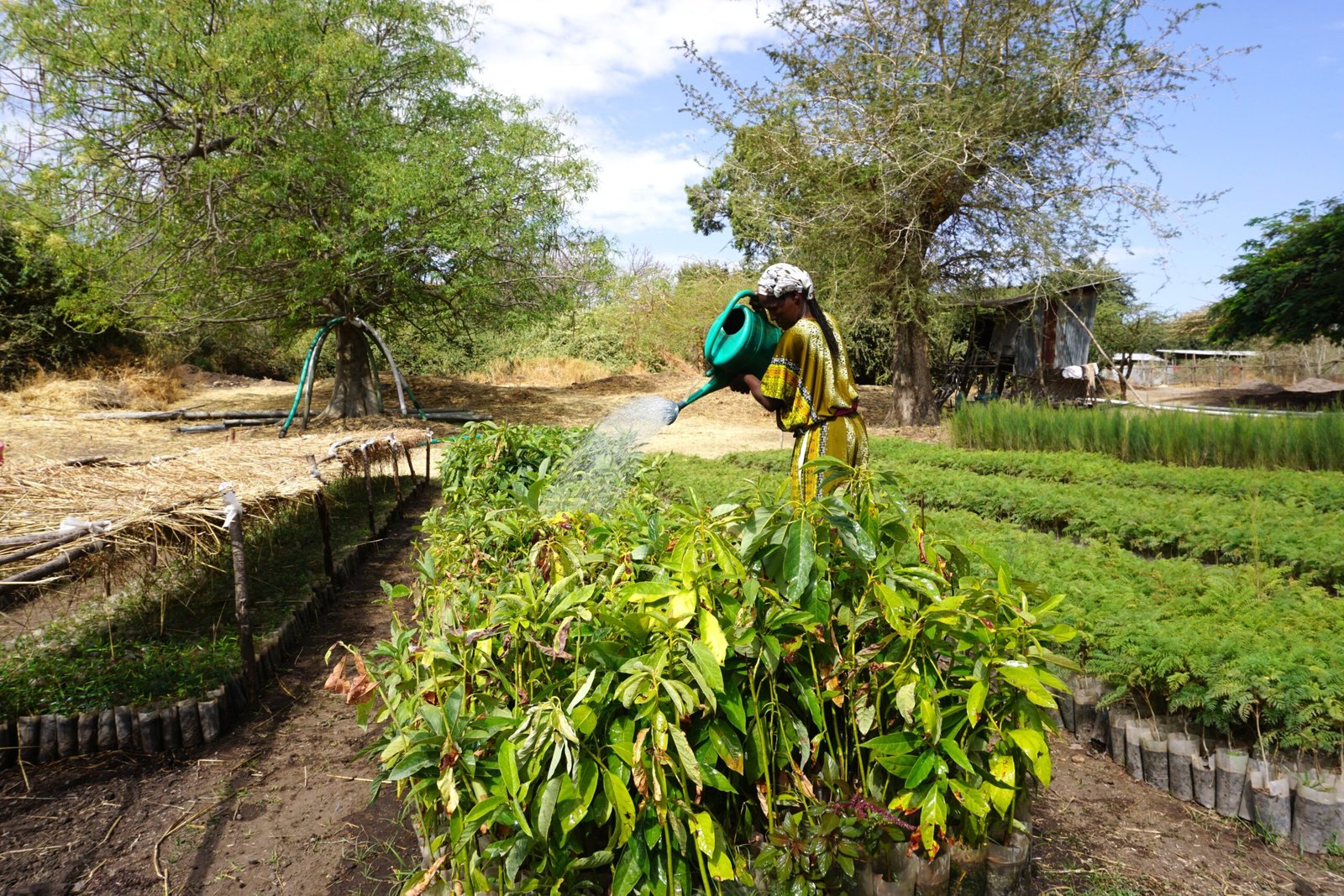
The Importance of Quality Seed and Nursery Practices
While statistical achievements are significant, the true impact of land restoration hinges on the quality of seeds and nursery practices. Poor seed quality or inadequate nursery techniques can undermine even the most ambitious restoration efforts. Recognizing this, Phase II has made enhancing nursery practices a top priority.
To address these challenges, a Training of Trainers (ToT) workshop titled Developing Thriving Nurseries and Diverse Tree Seed Supply Options to Regreen Ethiopia was held from January 27 to 29, 2026, in Addis Ababa. This training aimed to equip local partners with the skills necessary to establish high-quality nurseries and seed supply systems. Led by CIFOR-ICRAF agroforestry experts, the workshop integrated local knowledge alongside scientific methods.
Collaborative Learning and Knowledge Transfer
The training emphasized that diverse native tree and grass seeds are essential for effective restoration. Agroforestry scientist Sammy Carsan highlighted the initiative’s goal: “Beyond just planting trees, we aim to build resilient ecosystems capable of withstanding climate change impacts.” By focusing on indigenous species, the project aims to empower communities with the biological tools needed for sustainability.
Additionally, participants were exposed to innovative methods for linking nursery production to effective regreening practices such as FMNR and agroforestry, as demonstrated by Niguse Hagazi, CIFOR-ICRAF’s Ethiopia country director. This connection is crucial for fostering integrated approaches to sustainable land management.
Addressing Capacity Gaps
Malefia Tadele, project manager at Catholic Relief Services (CRS), noted the continual need for training in nursery management and seed sourcing. By enhancing the competencies of staff, the initiative aims to transfer technical knowledge down to nursery operators, ensuring that quality seedlings are produced efficiently.
Yordanos Berhe, manager for Regreening Africa II at World Vision Ethiopia (WVE), echoed these sentiments, emphasizing that scientific knowledge is essential for making informed decisions about the types of seeds to cultivate. “When activities are based on solid scientific knowledge,” she stated, “we can effectively meet community needs.”
Fostering a Culture of Quality and Collaboration
Quality assurance begins long before the seedlings reach nursery beds. Training nursery operators, as Berhane Tsegay points out, ensures quality from seed to sapling, emphasizing the process of seed collection, extraction, and storage.
Environmental realities in specific regions, like Tigray, necessitate the selection of drought-resistant and fast-growing species. Teum Kumanit from CRS illustrated this point by stressing the need for species suited for drier climates.
Empowerment through Education
Beyond technical skills, the ToT also aimed for empowerment through education. Learning specialist Ilse Hennemann guided participants in the design of effective training systems. “Understanding the target audience is crucial for effective training,” she asserted. This approach distinguishes the ToT from traditional training, focusing not just on conveying knowledge but enabling participants to adapt content and confidently instruct others.
Expectations are high for the outcomes of this training, which aims to fortify nursery systems and boost the quality and diversity of tree seed supply chains in the regions where Regreening Africa II operates.
The Regreening Africa initiative stands as a testament to the potential of collaborative efforts in restoring landscapes, improving livelihoods, and bridging communities to a sustainable future.
