

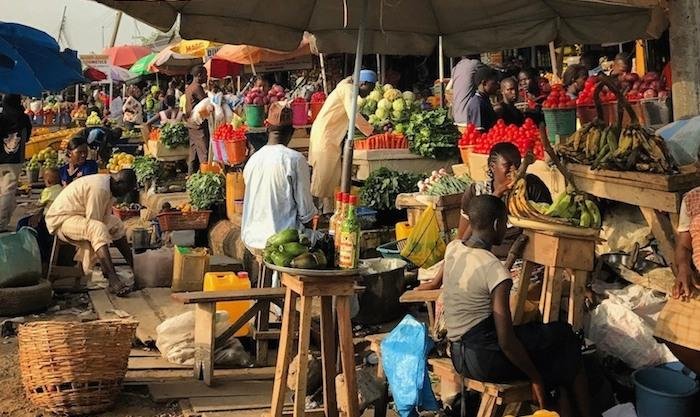
Addressing Africa’s Food Crisis: Insights and Solutions
Introduction
Food insecurity represents one of the most pressing challenges facing the African continent today, akin in urgency to widespread health crises such as malaria. Despite having abundant agricultural potential, over 60% of Africa’s population grapples with food insecurity. Alarmingly, the United Nations’ State of Food Security and Nutrition in the World (SOFI) report indicates that more than 307 million Africans were chronically undernourished in 2024, a statistic projected to worsen by 2030 as Africa could harbor nearly 60% of the world’s hungry.
Issues such as conflict, climate change, economic instability, and systemic inefficiencies have contributed significantly to deteriorating food systems, making effective responses even more difficult due to humanitarian aid cuts.
Key Structural Drivers of Food Insecurity
To tackle Africa’s food crisis effectively, it is crucial to understand its underlying economic and environmental factors.
1. Widespread Hunger and Food Insecurity
Hunger is notably rampant in Africa, with over 20% of the population lacking adequate food—this is more than double the global average. Conflict-prone regions like West and Central Africa face acute food shortages, particularly during lean periods. Factors such as ongoing violence and rising food costs exacerbate this dire situation.
2. Conflict and Safety Issues
Ongoing conflicts in countries such as Nigeria, Mali, South Sudan, and the Democratic Republic of Congo have displaced millions and disrupted agricultural production and markets. The World Food Programme has highlighted the critical hunger crisis in northeast Nigeria, primarily driven by reduced aid amidst escalating violence.
3. Climate Change and Extreme Weather
Many regions in Africa are increasingly experiencing unpredictable climates, including droughts and floods. These events dramatically impact smallholder farmers—who constitute the majority of the agricultural workforce—leading to lower yields and increased production costs.
4. Underfunded Agriculture
Despite the significance of agriculture in ensuring food security, it receives a disproportionately meager share of development financing (approximately 3% compared to 33% for humanitarian aid). This gap hampers market development, infrastructure, and technological adoption.
These structural factors reveal that Africa’s food crisis is not a mere short-term problem but one that requires comprehensive, evidence-based solutions.
Analyst-Led Strategies for Sustainable Food Systems
To effectively combat the food crisis, analysts must implement holistic, cross-sector strategies. Below are two primary areas where innovative solutions can emerge:
1. Data-Led Policy and Institutional Innovations
Analysts play a vital role in transforming raw data into actionable insights for the public sector. Governments and regional bodies need robust, real-time data systems to monitor hunger indicators, crop conditions, and livestock health. These analytics can trigger timely interventions, utilizing tools such as satellite imagery and predictive analytics.
2. Transformative Inclusive Value Chains
To achieve sustainable food security, it is essential to enhance food value chains from production to consumption, ensuring farmers receive fair prices and reducing waste.
a. Empowering Smallholders
Most food producers in Africa are smallholders. Access to quality inputs and credit can significantly enhance production levels. Analysts can facilitate connections between smallholders and relevant markets through mobile platforms.
b. Post-Harvest Infrastructure
Storage, processing, and transportation issues often lead to significant post-harvest losses—accounting for up to 30-40% of produce in some areas. Investments in cold storage, local processing centers, and rural road networks are crucial to addressing these challenges.
c. Climate-Smart Agriculture
Implementing climate-smart practices (such as agroforestry and drought-resistant seed varieties) can bolster resilience and productivity. Evaluating pilot programs can help determine which practices are most effective in specific contexts.
Conclusion
Africa’s food crisis is deeply rooted in the interplay of conflict, climate variability, underinvestment, and inefficient systems. However, by leveraging data-driven policy formulation and transformative value chains, influential agro-economic analysts can foster substantial, long-term change. They can help create resilient food systems that not only enhance agricultural productivity but also improve livelihoods and reduce hunger across the continent.
For further reading on food security in Africa, visit sources such as FAO for comprehensive studies and reports.
