

Harnessing Africa’s Renewable Energy Potential: A Path to Sovereignty and Resilience
By Njeri Kahurani | Apr. 9, 2026
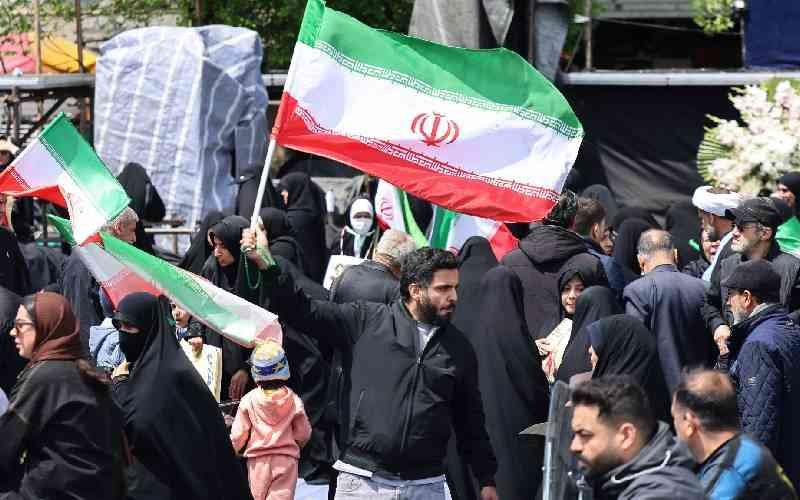
An Iranian man waves the national flag as people gather in Tehran’s Revolution Square after the United States and Iran agreed to a two-week ceasefire, on April 8, 2026. [AFP]
Introduction: The Global Energy Landscape
The recent conflict in the Middle East has sent shockwaves throughout the globe, significantly affecting oil prices and raising concerns over economic stability. The ongoing situation underscores the fragility of depending solely on traditional energy sources, which often exposes nations to geopolitical risks. It serves as a crucial reminder of the urgent need to rethink energy security and transition towards more sustainable practices.
The Urgent Call for Energy Sovereignty in Africa
Africa’s journey towards energy security goes beyond just securing energy supplies; it aims for energy sovereignty—empowering the continent to manage its own energy systems. This transformation is primarily through the large-scale deployment of Africa’s abundant clean energy resources.
The Solar Power Advantage
Recent studies reveal that the Sahel region of Africa is a solar powerhouse, with the ability to generate approximately 13.9 billion kWh/year, a figure that almost meets global energy needs. Moreover, Africa boasts significant wind corridors with the potential to produce electricity far exceeding the continent’s needs.
Geothermal Potential Beneath Our Feet
The Great Rift Valley harbors vast geothermal resources. Even tapping into just 1% of this geothermal capacity could fulfill the entire energy needs of Africa by 2050. This potential paves the way for a cleaner, more independent energy future.
Strategic Importance of Renewable Energy
Renewable energy offers an escape from the limitations imposed by geopolitical tensions. Unlike oil and gas, renewable resources like sun and wind cannot be embargoed. Therefore, investing in renewable energy systems becomes not only economically beneficial but also a strategic imperative for African nations that frequently face the volatility of global fuel markets.
Current Investment Trends and Requirements
While investments in Africa’s clean energy sector have seen a considerable rise—from $2.6 billion in 2021 to nearly $40 billion in 2024—this still falls far short of the estimated $100 billion needed annually to meet energy goals by 2030. Despite having 60% of the world’s top solar resources, Africa currently only utilizes 1% of its potential.
Investing in Infrastructure and Solutions
Investing in three key areas can drastically elevate Africa’s energy landscape:
- Modern Grid Infrastructure: Developing a capable grid that integrates clean energy generation is critical.
- Distributed Energy Systems: Rapidly electrifying underserved communities through localized solutions.
- Clean Industrial Ecosystems: Establishing sectors powered by renewable electricity can spur economic growth.
The Promise of Renewable Energy
Substantial opportunities await for investment in a flourishing clean energy sector. The shift towards a clean-energy economy can drive new supply chains and centers of production right in Africa. The continent has the unique opportunity to not only consume but also innovate and produce renewable technologies.
Empowering Communities
Renewable electricity can empower entire communities—fueling industrial parks, supporting schools, and enhancing digital connectivity. Through solar mini-grids, rural areas can gain access to electricity for essential services, thereby boosting food production, improving access to clean water, and ensuring healthcare services remain operational even in remote regions.
Building Resilience: A Social and Economic Strategy
Stable energy access equips communities to withstand economic disruptions and climate challenges. The correlation between energy resilience and social stability is clear—reliable energy sources bolster local economies and enhance living standards.
Conclusion: A Turning Point for Africa
History shows that energy transitions often occur rapidly, typically triggered by crises that expose system weaknesses. The oil crises of the past propelled countries to seek energy efficiency, and today’s geopolitical tensions may catalyze a similar shift toward renewable resources.
As Africa stands at a crossroads, the focus should be on transitioning into a central player in the global clean-power economy rather than remaining a mere resource extractor. The continent’s rich renewable resources hold the potential to drive not only local but global transformative change in energy dynamics, marking a new era of energy sovereignty and resilience.
