

Energy Independence in Africa: Overcoming Dependency Despite Abundant Resources
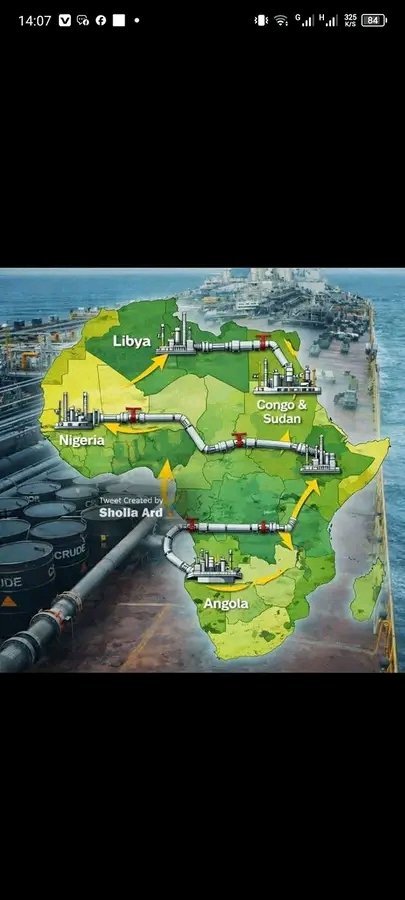
**LUANDA, Angola** – Africa stands at a pivotal crossroads in its energy landscape. Despite containing some of the world’s largest crude oil reserves, the continent heavily relies on the Gulf and Europe for refined fuel. This contradiction highlights significant challenges within Africa’s energy sector, particularly stemming from a lack of regional collaboration and inadequate infrastructure that spans its major oil-producing regions.
Theoretical Energy Independence and Current Realities
As of March 2026, the pathway toward an energy-independent Africa remains largely theoretical. Despite plentiful resources—including Angola’s substantial 9-billion-barrel reserves and Nigeria’s established output—systemic barriers hinder progress. Issues such as deteriorating infrastructure, localized conflicts, and a historical tendency to prioritize global exports over trade within Africa continue to drain financial resources.
Challenges Facing African Oil Producers
In regions like Southern Africa, Angola is recognized as a leading crude oil producer. However, the lack of cross-border pipelines leaves neighboring nations like Zambia and Namibia reliant on international markets. In West Africa, Nigeria exemplifies this paradox; despite vast oil reserves, its refineries expended ₦5.7 trillion on imported crude in 2025 due to challenges within domestic supply chains and a lack of emphasis on regional resources.
East Africa mirrors these challenges. South Sudan, home to the region’s largest reserves, theoretically has the capacity to supply 15 neighboring countries. However, ongoing instability often disrupts crucial pipelines, exposing these nations to global price fluctuations.
Internal Dependence and Global Costs
“Africa is not energy-poor; it is infrastructure-starved,” remarks a local energy analyst. Currently, Africa exports roughly 70% of its crude oil and 45% of its gas to international markets and then imports the refined products at significantly higher prices. This cycle represents an unnecessary burden on the continent’s economic growth.
Financial Barriers to Energy Projects
Physical challenges are compounded by financial obstacles. Financing for energy initiatives in Africa often comes with steep interest rates ranging from 15% to 20%, nearly three times higher than those seen in Asia or Europe. As a result, over 150 essential infrastructure projects, including regional refineries and inter-country pipelines, remain stalled in the development phase.
A Path Forward: The Africa Energy Bank and Regional Cooperation
Despite these barriers, a transition toward energy autonomy is in motion. The African Petroleum Producers’ Organization (APPO) is accelerating the establishment of the Africa Energy Bank. This initiative aims to create a self-sustaining financial framework, circumventing Western “green energy” stipulations while targeting essential oil and gas infrastructure development to enhance Africa’s ability to process its own resources.
Importance of the African Continental Free Trade Area
The realization of this vision hinges largely on the African Continental Free Trade Area (AfCFTA). This framework seeks to eliminate regulatory barriers and streamline border processes that currently impede intra-African trade. Until these necessary reforms are fully implemented, the aspiration for an Africa powered by its own resources remains an objective yet to be achieved.
